How to write a case report

References and resources for case report writing

Case reports, which are one of the oldest form of medical literature are by and large becoming a lost art.   Considered observational, and low-level evidence in a time of ‘pay-for-performance,’ CMS guidelines and ‘evidence-based practice,’  the utility and educational nature of case reports is often overlooked.  To many in the medical publishing industry, as the meta-analysis dominates the scientific landscape, the traditional case report is rapidly becoming a thing of the past (Kasim et. al. 2009).

However, to the practitioners, the case report remains an invaluable tool.  These anecdotal stories stay with us, and may facilitate recognition of signs and symptoms that would otherwise go unnoticed, particularly by junior medical providers.  Also the case report is often the first entry into a career punctuated with scholarly writing.

As such, in honor of the historical, humble case report, we have dedicated this post to providing assistance in authoring high quality case reports.  Below are a list of resources to help get you started in your case report writing efforts.

Many readers have also noticed that here at Cirugia de Torax, we have our own section for Case Reports – a practice area, if you will, for budding writers, and others to present cases as we polish our writing skills, and a forum to share information with the thoracic community in a more relaxed and informal way.  So collect your films and stories and send them our way.

References/ Resources

On-line course on writing case reports: Family & Community Medicine Center at the University of Texas Health Science Center.

Carleton H. A., Webb M. L. (2012).  The case report in context. Yale J Biol Med. 2012 Mar;85(1):93-6. Epub 2012 Mar 29.

Green, B. N. & Johnson, C. D. (2006).  How to write a case report for publication. J Chiro Med Summer 2006, 5(2) 72-82.  Another article on case report writing from these authors is available here.

McCarthy, L. H. & Reilly, K. E. H. (2000).  How to write a case report.  Family Medicine, 2000, March, 190 – 196.

Peh, W.C. & Ng, K. H. (2010). Writing a case report. Singapore Med J. 2010 Jan;51(1):10-3; quiz 14.

Yitschaky O, Yitschaky M, Zadik Y. (2011). Case report on trial: Do you, Doctor, swear to tell the truth, the whole truth and nothing but the truth?  J Med Case Reports. 2011 May 13;5:179.

Mobile Application Overhaul

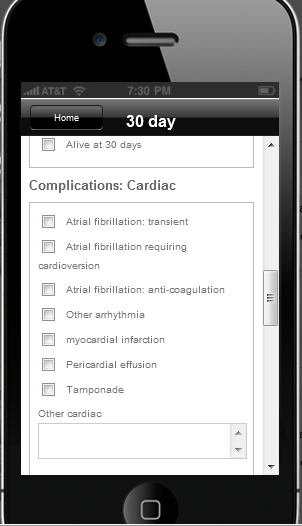
Despite the initial success of our first mobile applications, the applications have developed a series of bugs and other issues.  Since we are currently developing additional applications for use in our research project – we are also revising STS general thoracic application and adding an iPhone compatible version.

As always – the icons for our programs remain the same:

official icon for cirugia de torax
official logo of Cirugia de Torax

As soon as the new applications are up and running – we will update our links.  As always, these applications remain free for users.


Case Report: Dual port VATS decortication of empyema

case report of dual port thoracoscopy for decortication of empyema in a thirty-eight year old woman.

Note:  This case report was written with the assistance of Dr. Carlos Cesar Ochoa Gaxiola.

Case Report: Dual port thoracoscopic decortication of empyema

Presentation:  A 38-year-old woman presented to the local hospital with fever, pneumonia, chest pain and an elevated leukocyte count of 25,000. Initial chest x-ray showed a large left-sided effusion.

Risk factors:  Patient had several traditional risk factors for the development of empyema including heavy ETOH, and malnutrition, poor access to healthcare.  Patient HIV, and Hep C negative.

Initial Hospital Course:  She was admitted, and started on dual therapy antibiotics (ceftriaxone & levofloxacin).  A chest tube was placed with return of frank purulent material.  After several days of draining minimal amounts of pus, patient remained febrile.

Subsequent CT scan showed a left-sided empyema with large loculated areas.  At that time, thoracic surgery was consulted for additional evaluation and treatment.  Surgery was scheduled.

At the time of surgery, patient remained on dual antibiotics with WBC of 19,000.  Albumin 1.5 , Hgb 10.2, Hct 33, other labs within normal limits.

Surgical procedure: dual-port VATS with decortication

The initial chest tube was removed, patient was prepped and draped in the traditional sterile fashion.  The previous chest tube site was carefully cleaned with a betadine solution, and debrided of purulent material to prevent abscess tract formation, with instrumentation traded out after debridement.

A single additional ten mm thoracoscopy port was created, with visual interior inspection performed.  Initial inspection confirmed the presence of a stage IV empyema with large loculations, moderate pleural thickening and the presence of frankly purulent material adhering to the pleural/ chest wall and lung tissue.  The pleura was noted to be thickened but malleable, loosely adherent to the pleural and lung surfaces.

A formal decortication was undertaken with separation of the lung from the diaphragm and adhesions to obliterate the empyema cavity.   Decortication of visceral pleura was performed until the lung was completely free and able to re-expand.   Lavage was performed with evacuation and drainage of copious amounts of purulent materials.

After decortication was complete, two chest tubes were placed*; anteriorly and posteriorly, under thoracoscopic guidance, and the lung was re-inflated.

*Due to the location, and presence of infection/ purulent material in the initial chest tube site, an additional chest tube site (5mm) was created at the time of chest tube insertion to prevent additional infectious complications.

At the conclusion of the case, patient was awakened and extubated prior to being transferred to the PACU as per post-operative protocols.

EBL during the case was minimal.

Post-operative course:  Patient’s post-operative course was uncomplicated.  On post-operative day #5,  anterior chest tube was removed.  On post-operative day #7, the posterior chest tube was removed.  Patient was discharged post-operative day #8.

Discussion:  While convention medical wisdom dictates a trial and error treatment approach with initial trial of antibiotic therapy followed by chest tube placement (Light, 1995), surgeons have long argued that this delay in definitive treatment places the patient at increased risk of significant morbidity and mortality (Richardson, 1891).  Indeed, as discussed by Dr. Dov Weissburg  (on a previous discussion of empyema and lung abscess) multiple recent reviews of the literature and research comparisons continue to demonstrate optimal outcomes with surgery based approaches versus antibiotics alone, TPA and tube thoracostomy.  The ability to perform these procedures in the least invasive fashion (VATS versus thoracotomy approaches) defies the arguments against surgical intervention as advanced by interventionalists (radiologists and pulmonologists.)  Successful decortication with the use of dual port thoracoscopy is another example of how technology is advancing to better serve the patient and provide optimal outcomes.

Earlier, not late surgical referral would have been of greater benefit to this patient.

 I apologize but I was unable to take films / photographs of this procedure during this case.

 References (with historical perspectives)

Andrade – Alegre, R., Garisto, J. D. & Zebede, S. (2008).  Open thoracotomy and decortication for chronic empyema. Clinics, 2008; 63 (6),  789 – 93.  Color photographs.  Panamanian paper discussing the effectiveness of traditional open thoracotomy and decortication for stage III / chronic empyemas in an era of increased reliance on VATS.  Observations and recommendations for open thoracotomy approach for chronic empyema based on 33 cases spanning from March 1992 – June 2006, showing safe and effective results with open surgery for more advanced/ chronic empyemas.

 Light, R. W. (1995).  A new classification of parapneumonic effusions and empyema. Chest (108) 299 – 301.

Marks, D. J., Fisk, M. D.,  Koo, C. Y., et. al. (2012).  Thoracic empyema: a 12-year study from a UK tertiary cardiothoracic referral centre. PLoS One. 2012;7(1):e30074. Epub 2012 Jan 20. Treatment with VATS was shown to reduce the length of stay versus open surgery with a 15% conversion rate.

Nwiloh, J., Freeman, H. & McCord, C. Malnutrition: an important determinant of fatal outcome in surgically treated pulmonary suppurative disease.  Journal of National Medical Association, 81(5) 525-529.

Richardson, M. H. (1891). Surgical treatment of acute and chronic empyemas. While surgical techniques have greatly changed in the 100+ years since this paper was initially published (and no one suffers from carbolic acid poisoning anymore), many of the observations of Drs. Richardson and Loomis remain clinically relevant and valid today. (As previously noted by Dr. Weissburg, this was a pre-antibiotic era.)

Balance, H. A. (1904).  Seven cases of thoracoplasty performed for the relief of chronic empyema.  British medical journal, 10 Dec 1904, 1561 – 1566.  Dr. Balance discusses the development of Delnorme’s operation as an alternative to thoracoplasty while presenting several cases from his career.  Photographs.

Tuffier, T. (1922).  The treatment of chronic empyema.  Discussion of 91 cases, with radiographs.

Block, Tuffier, Blalock & Gonzalez? Returning to single incision thoracoscopic surgery with Dr. Diego Gonzalez – Rivas

Checking in with Dr. Diego Gonzalez – Rivas and his team in Coruna, Spain – the innovators in single incision thoracic surgery, as Dr. Gonzalez publishes a new report on single incision pneumonectomy.

After speaking with Dr. Raimundo Santolaya last week – I contacted Dr. Diego Gonzalez over at UTCMI in Coruna, Spain  to see what he’s been doing since our last contact, and discuss a possible interview in the future.

The single-port thoracic surgery superstar and his colleagues are certainly keeping busy – and continue to push the edges of modern thoracic surgery firmly into more and more advanced minimally invasive techniques.

Last fall, he published another case report on single incision VATS – lobectomy, and since then he has continued to operate and publish reports on his successes.  Now he has an upcoming case report on a right-sided single-port pneumonectomy, which was largely held as one of the last frontiers in VATS procedures.   (Pneumonectomy by standard VATS, despite being reported in the literature several years ago, remains a relatively uncommon procedure.)

While a common criticism of his work is related to the fact that removing a portion of the lung as large as a lobe, or an entire lung requires a small additional incision at the conclusion of the case – but these criticisms are weak at best – and fail to see the true clinical importance of his continued innovation and investigation in advancing video-assisted thoracoscopic surgery for the benefits of our patients.  Ten years from now – single incision VATS will be a common procedure, and Drs. Gonzalez, Fernandez and De la Torre will be the ones responsible.


References: Single port pneumonectomy

Gonzalez-Rivas D, de la Torre M, Fernandez R, Garcia J. (2012). Single-incision video-assisted thoracoscopic right pneumonectomy.  Surg Endosc. 2012 Jan 11. [Epub ahead of print – abstract re-posted below]

Abstract

BACKGROUND: The most common approach for Video-assisted thoracoscopic (VATS) lobectomy is undertaken with three or four incisions, including a utility incision of about 3-5 cm. However, major pulmonary resections are amenable by using only a single utility incision. This video shows the technical procedure of a right pneumonectomy by single-incision approach with no rib spreading.

METHODSA 52-year-old woman was proposed for single-incision VATS resection of a 5-cm right lower lobe adenocarcinoma. A 4-cm incision was made in the fifth intercostal space. We placed a 30-degree, high-definition, 10-mm thoracoscope in the posterior anterior part of the incision. Digital palpation confirmed that the tumor involved the fissure and the posterior portion of the upper lobe, which indicated the need for right pneumonectomy. We inserted the instruments through the anterior part of the utility incision to start the detachment of the right upper lobe by using a harmonic scalpel. The first step was dissecting the inferior pulmonary vein. The hilar structures were exposed by using harmonic scalpel and a long dissector (Fig. 1A). The upper and middle-lobe pulmonary veins were dissected and transected, allowing visualization of truncus anterior, which was then stapled. The inferior pulmonary vein and the intermediate truncus artery were divided, allowing optimal exposure to the main bronchus, which was stapled. The lung was removed in a protective bag by adding 1 cm to the incision, and a systematic lymph node dissection was performed. A single chest tube was placed in the posterior part of the utility incision.

RESULTS: Total surgery time was 210 min. The chest tube was removed on postoperative day 2, and the patient was discharged home on day 4 with no complications.

CONCLUSIONS:  Single-port VATS pneumonectomy for selected cases is a feasible procedure, especially when performed from a center with previous experience in double-port VATS approach.

DISCUSSION: Recent advances in surgical and video-assisted techniques have allowed minimally invasive pneumonectomy to be undertaken safely. VATS pneumonectomy is not a new procedure and in fact was initially reported 15 years ago and was felt to result in less postoperative pain and a faster return to normal activities [1]. Despite this, there have been only a few case reports or series published of VATS pneumonectomies [2,3].

Additional References/ Resources

Gonzalez – Rivas, D., Fernandez, R., De la Torre, M., & Martin – Ucar, A. E. (2012).  Thoracoscopic lobectomy through a single incision.  Multimedia manual cardio-thoracic surgery, Volume 2012This is an excellent article which gives a detailed description, and overview of the techniques used in single incision surgery.  Contains illustrations, full color photos and videos of the procedure.

Gonzalez-Rivas D, Paradela M, Fieira E, Velasco C. (2012).  Single-incision video-assisted thoracoscopic lobectomy: initial results.  J Thorac Cardiovasc Surg. 2012 Mar;143(3):745-7.

Gonzalez-Rivas D, de la Torre M, Fernandez R, Mosquera VX. (2011).  Single-port video-assisted thoracoscopic left upper lobectomyInteract Cardiovasc Thorac Surg. 2011 Nov;13(5):539-41.

Talking with Dr. Raimundo Santolaya, MD, thoracic and transplant surgeon at the Instituto Nacional del Torax

an interview with thoracic and tranplant surgeon, Dr. Raimundo Santolaya Cohen of Santiago, Chile

Dr. Raimundo Santolaya, Thoracic and Transplant Surgeon

After listening to Dr. Raimundo Santolaya Cohen at the National Conference, where he discussed the diagnosis and management of Pneumothoraces, I immediately contacted him following the lecture to arrange an interview.  I was delighted to be able to spend several hours in the charismatic and elegant Chilean surgeon’s company while we talked about thoracic surgery, and the state of lung transplant in Chile.

Dr. Raimundo Santolaya, is a Valparaiso native who currently practices in Santiago at the Instituto Nacional del Torax and the Clinica Alemana.  He is also a professor and the Chief of the thoracic surgery fellowship program at the Universidad de Chile.

While he reports that while lung transplant programs are fairly small in Chile (in comparison to American institutions) he performs several transplants every year.

In addition to his interest in pulmonary transplant, he is also keenly interested in minimally invasive surgery, including uni-port surgery.  In fact, he is currently arranging for Dr. Diego Gonzalez, the Spanish thoracic surgeon to come to Chile in October to teach uni-port lobectomy.

Like most thoracic surgeons, he performs a wide range of thoracic procedures including lung surgeries, and mediastinal masses.

We also discussed the incidence of Hidatidosis/ hydatidosis, (echinococcus granulosus) which is endemic in Chile.  Hidatidosis is an infection caused by a parasite transmitted by animals (commonly dogs), and is more commonly known as a tapeworm.  Infection with this organism can affect multiple organs, but frequently affects the liver and the lungs, called hepatopulmonary hydatidosis.  Infection is marked by the development of hydatid cysts which are filled with tapeworm larvae.  In the lungs, these cysts can become quite large.

When this occurs, the cysts must be surgically excised in addition to aggressive medical management.

About Dr. Santolaya:

Dr. Raimundo Santolaya completed his thoracic surgery fellowship at the Universidad de Chile before traveling to Madrid, Spain to study lung transplant for an additional year.

Instituto Nacional del Torax

J. M. Infante 717, 4th floor

Santiago, Chile

Telephone (56-2) 340 3462

Clinica Alemana

Manquehue Norte 1410

Centro de Diagnostico, 11th floor

Santiago, Chile

Telephone (56-2) 210 1114

Talking with Dr. Luis Marcelo Argote Green, National Institute of Medical Science

Talking to the interesting and entertaining Dr. Marcelo Argote Green, of Mexico City at the LXXI Congreso for Sociedad Mexicana de Neumologia y Cirugia de Torax

Mexico

A wicked streak of good luck allowed me to catch up with Dr.  Luis Marcelo Argote Green at the Mexican Society of Pulmonology and Thoracic Surgery conference in Cancun for an interview.

Dr. Argote Green has been practicing in Mexico City for four years, since completing his fellowship in thoracic surgery at Brigham Women’s & Children’s Hospital in Boston, Massachusetts.  He trained under the guidance of several of the most prominent American thoracic surgeons including the ever elusive* Dr. David Sugarbaker.

Dr. Argote maintains an active, and diverse practice as he is currently operating in several facilities within the supercity, including that National Institute of Medical Science.  This gives him a wide range of exposure and experience to patients from all across the city, and across all demographic lines.  As a surgeon at one of the countries more prominent public facilities, he also receives patients from around the country – particularly the more challenging or complex cases.  He reports that this along with the high incidence of HIV and other autoimmune conditions such as scleroderma and lupus make his day-to-day practice different from the average small town physicians practice, or even the West Roxbury Veteran’s facility where he completed some of this training.  “I saw maybe two or three cases with patients with this level of complex co-morbidities when I was training, but here I see it everyday.”  He enjoys this aspect of his work which gives him a deeper level of experience than he might otherwise have at this stage in his career.

He has also embraced minimally invasive technologies such as VATS, and RATS, and currently performs uni-port lung biopsies, and VATS lobectomies.  He also particularly enjoys treating patients with mediastinal masses, and uses a unilateral VATS approach for many of these tumor resections versus the traditional median sternotomy.

During our in-depth conversation, we also discussed some of the differences I had observed during my time in Mexico – particularly the inter-collegial relationships between pulmonologists and thoracic surgeons.  He explained that this is due in part to a shared history, and that in Mexico – thoracic surgery was a outbranching of pulmonary medicine, as pulmonologists initially sought additional training in more invasive procedures, including surgery.  While there is now more delineation between the specialties, there remains a sense of commonality often spoken of during this conference by the participants which is sometimes striking to outsiders like myself.

* Long-time readers know of our ongoing attempts to contact Dr. Sugarbaker for an interview.

Congreso Nacional: Wednesday Highlights

continued coverage of the2012 (Mexican) National Conference in Cancun, Mexico with discussions by Dr. Rafael Andrade, Dr. Raimundo Santolaya and Dr. Enrique Guzman de Alba.

LXXI Congreso Nacional de Neumologia y Cirugia de Torax

Cancun, Mexico

Yesterday was such a flurry of activity – I didn’t get a chance to post Wednesday’s Conference highlights until now.

After sitting thru some lackluster presentations for most of Tuesday, today was definitely the best day of the conference so far; as the topics become more and more thoracic surgery related (versus Asthma, and other strictly pulmonary medicine topics).  There were so many enjoyable and informative lectures today that is was hard to choose, even after deciding to pick more than one – I feel like apologizing to all the other great speakers – but I’ve narrowed it down to a trifecta of great speakers, with Dr. Raimundo SantolayaDr. Rafael Andrade, and Dr. Enrique Guzman de Alba.

Dr. Ramundi Santolaya, MD a Chilean thoracic surgeon gave a thoroughly enjoyable overview of the diagnosis and management of pneumothoraces.  Whether it was due to innate charisma, a lively discussion and multi-media presentation on one of my favorite topics, or due to that fact that with his clear, unaccented Spanish – I didn’t miss a word – he was a standout star of the day – so much so that I chased him down later for a full interview.

Dr. Raimundo Santolaya, of Santiago, Chile discusses 'Actualidades en el manejo del neumotorax'

Dr.  Rafael Andrade, from the University of Minnesota was also very informative, yet entertaining during his talk on the use of ultrasound for mediastinal evaluation  (cancer staging).   He explained that while mediastinoscopy remains the gold standard for staging lung cancer, that the new(er) ultrasound techniques including endobronchial (EBUS) and endoesophageal (EUS) ultrasound allow for tissue sampling (and biopsy) of lymph nodes that are normally inaccessible during mediastinoscopy including many of the more distal stations.  These techniques do not replace mediastinoscopy, or mediastinotomy (Chamberlain) but offer complimentary information to assist in the staging of cancers to help determine the extent of disease when PET results may be inconclusive, or appear to show more extensive disease.

I had just finished reading some of his recent papers for another article I was working on, so it was both a surprise and a pleasure to see him and speak with him, in person.  He sure didn’t seem to mind my questions (despite my chronically impaired Spanish.)

Dr. Rafael Andrade takes the time to speak with Cirugiadetorax.org

Of course, his English is impeccable but when in Rome, etc. so I did my best.  Luckily for me, and all the readers here at Cirugia de Torax – my understanding of ‘surgical Spanish’ tends to be spot – on, particularly when there are overhead slides to assist with translation.

Dr. Rafael Andrade, University of Minnesota presents, 'Valor del ultrasonido toracico en las enfermedades pleurales

Dr. Enrique Guzman de Alba, a cardiothoracic surgeon gave two lectures, more of a part I and a part II on the current literature regarding the surgical treatment of lung cancers by staging as well as a review of the literature surrounding clinical outcomes comparing lobectomy versus segmentectomy (aka wedge resections.)  As he explained, lobectomy remains the gold standard for any patient who is able to tolerate surgery, (including patients that are believed to be marginal candidates and would otherwise be relegated to wedge resection.)  He reports that despite common beliefs regarding segmentectomies as ‘lung -sparing’ for patients with marginal baseline respiratory (or other functional) status – there has been no data to demonstrate that these patients perform better/ or better tolerate a wedge resection versus the more complete lobectomy.  Therefore, given the increased incidence of cancer reoccurrence with segmentectomies – he advocates for the larger, but more effective lobectomy.

Dr. Enrique Guzman de Alba, cardiothoracic surgeon at INER, Mexico City, Mexico giving one of several presentations

There was also some interesting discussion on managing malignant pleural effusions and limitations of PleurX catheter use in Mexico due to prohibitive costs for many patients.

Conference Spotlight lecture: Dr. Gulliermo Cueto Robledo

Dr. Cueto as our featured speaker today at the National Conference of the Mexican Society of Pulmonology and Thoracic Surgery talking about pulmonary embolism.

Cancun, Mexico

The highlighted speaker for the conference today is the dynamic Dr. Gullermo Cueto Robledo of the General Hospital of Mexico City.  Dr. Cueto presentation was “Diagnostic opportunities in Pulmonary Embolism.”

Dr. Cueto at the 2012 Congreso Nacional de Neumologia y Cirugia de Torax

It was a standing room only crowd for his presentation on the incidence, mortality, diagnosis and treatment of pulmonary embolism.

Dr. Cueto reviewed the incidence of pulmonary embolism which occurs approximately 909, 753 times a year in the United States, with an estimated 296,370 deaths directly attributed to this phenomenon (2005, Journal of Thromboembolism & Hematology).

In a recent study at the Institute of Cardiology in Mexico City by Sandoval, 22.4% of all autopsies showed evidence of pulmonary embolism.

While many of the risk factors are well-known cardiovascular disease risks (obesity, hypertension, diabetes, smoking, elevated cholesterol) as well as traditional risk factors such as cancer/ malignant processes, venous stasis/ immobility, recent surgery and airline (or other travel) greater than two hours – Dr. Cueto discussed how pulmonary embolism is often overlooked.  He reviewed the existing criteria for predicting embolism risk such as the Wells, Winky (Geneva) scores, as well as the shortfalls of each of these scores, which often rely on subjective criteria on the basis of the individual applying the criteria.  He also talked about a recent paper suggesting a strong correlation between ST changes in aVR and presence of a right BBB in addition to the traditional S1Q3T3 finding on electrocardiogram.

He states that the strength of the D-dimer is not in it’s diagnostic capability but in it’s prognostic ability, as the elevated values at specific thresholds can be used to correlation both the location and risk of mortality.

Despite the advent of multi-modality imaging studies the gold standard remains the V:Q scan which is the only diagnostic tool to clearly rule out the presence of pulmonary emboli, along with the advantages and disadvantages of traditional and helical CT scans in addition to MRA (magnetic resonance imaging with angiography.)  He reports that initial enthusiasm for MRA has dampened due to multiple limitations in use as well as poor picture quality in comparison to other modalities. The main limitations of the multi-detector helical CT scan remain the inaccessibility and unavailability of this modality at many facilities due to cost.

He also reviewed the recently published guidelines from the American College of Chest Physicians (Chest, 2012) include very specific recommendations including initiation of thrombolytic and anti-coagulant therapies prior to formal or radiographic diagnosis in patients at high risk despite their classification of evidence as 2C.  These changes come due to recent studies showing adverse outcomes with delayed onset of treatment, with a marked shift around the twenty hour mark after the onset of the initial thrombotic event.  As he mentioned previously, since the majority of patients may demonstrate either vague or absent symptomatology on the onset of massive pulmonary embolism, these guidelines attempt to streamline and advance treatment that may be otherwise delayed by diagnostic testing.

References

(2012).  Antithrombotic treatment of venous thromboembolism.  ACCP guidelines.  Chest, 2012, supplement, 141(2) e4195 – e4945.

(2009).  Air travel and risk of thromboembolismAnn Internal Medicine 151 – 180: 190.  Review of the literature showing an 18% increase for every two- hour interval of travel.

Conference coverage: Congreso Nacional de Neumologia y Cirugia de Torax


Cancun, Quintana Roo – Mexico

I’m here at the National conference for pulmonologists and thoracic surgeons this year to hopefully interview (and possible recruit some surgeons to the research project).

It’s already been an eventful day, with several excellent presentations this morning as attendees continue to arrive to the official beginning of the conference tomorrow morning.   Extensive discussions on the multi-drug resistant tuberculosis started today and will continue for the rest of the week in addition to offering aimed at multiple specialties including surgery, nursing, respiratory therapy, pulmonology and general internists.

One of the featured presenters is Dr. Richard Light, MD who almost seems like family to me at this point, since I’ve been reading much of his previous work while I write a new case presentation about dual port thoracoscopy.  He’s one of the many people I hope to catch up with for a few minutes over the next few days.

Wish me luck!  I’ll continue to post about updates over the next several days.

Research update: Recruiting interested surgeons

Cirugia de Torax extends an invitation to all thoracic surgeons interested in participating in clinical research.

If you are interested in participating in our data collection process as a site investigator – please click on the link to fill out one of our secure, encrypted Site Investigator Applications. While we are strongly recruiting surgeons from areas of moderate to high altitude, we are encouraging interested surgeons from any location to consider participating.

Why participate?

As busy surgeons, many of you just don’t have the time to devote to full-time research, academic projects and scholarly writing. That doesn’t mean you aren’t interested in, and can not make a significant contribution to the literature surrounding topics in thoracic surgery. By signing up as a site investigator, you (or your delegates) will use our new electronic applications to upload and submit de-identified data about your patient populations and outcomes for use in our study. (It’s like the STS general thoracic database – but easier!)

In return, you will have made a significant and lasting contribution to the existing body of knowledge in your chosen specialty, and will receive due credit in all subsequent articles and publications based on these contributions.

Fill out my form!

Mexican Surgeons:  See you at the conference in Cancun..

Sandy Ogawa, ACNP and anti-reflux surgery at St. Joseph’s Hospital

Talking with Sandra Ogawa, ACNP about ‘What to do when the purple pill fails?”

Phoenix, Arizona

During my visit with Dr. Bremner at St. Joseph’s Hospital, I had the pleasure of meeting several members of the thoracic surgery team, including Sandy Ogawa.

Ms. Ogawa is an acute care nurse practitioner specializing in Thoracic Surgery.  She initially began working with Dr. Bremner at USC as a nurse coordinator, and has been working with Dr. Bremner since he was a thoracic surgery fellow.  After returning to school for her master’s degree – Ms. Ogawa became a nurse practitioner in thoracic surgery.

Since then she has taken on a wide range of duties and responsibilities caring for thoracic surgery patients, with a keen interest in anti-reflux procedures such as the Nissen fundaplication and the Toupet procedure.

One of the things we talked about was her upcoming presentation on proper patient selection and patient referral, or as Ms. Ogawa states, “What to do when the purple pill fails?” 

Who should consider surgery for reflux?

The best patients for surgical treatment of reflux are patients who have failed first-line medical treatments such as Nexium (or other proton pump inhibitors.)  Patients should explore these options as well as standard medical recommendations such as weight loss, and dietary modification prior to seeking the advice of a surgeon.

Symptoms & Complications of Reflux

Symptoms of GERD are varied and can range from simple heartburn to dysphagia (difficulty swallowing), chest pain, respiratory infections and dental erosion.  Uncontrolled gastric reflux has been shown to negatively impact the patient’s quality of life; through interrupted sleep, impaired eating and other activities of daily living.

Uncontrolled or untreated GERD can lead to serious complications including esophageal ulceration, development of esophageal strictures, pneumonias and scarring of lung tissue (from aspiration of acid contents) and increase the risk of developing esophageal cancer.

At St. Joseph’s, Dr Bremner and his colleagues specialize in both of these procedures  (Nissen fundaplication and Toupet procedure) as well as re-do procedures for patients with re-current symptoms or re-current hernias after surgery.

Pre-surgical Evaluation: Diagnosis & Testing

Having ‘heartburn’ alone isn’t the only factor to consider prior to undergoing an anti-reflux procedure.  The are multiple physiological factors that also help surgeons determine whether surgery is an appropriate treatment, and which surgical procedure is the best surgical option.

As part of their anti-reflux program, all pre-operative evaluation procedures (endoscopy with four quadrant biopsies, barium esophagrams, and manometry are performed in-house.  In fact, the department has their own manometry lab, where they read all of their studies (versus sending patients to multiple departments).  These tests help determine whether reflux is related to different conditions such as the presence of a hiatal hernia, or a malfunctioning esophageal sphincter.  It is also important to rule out other causes of symptoms such as dysphagia such as an esophageal stricture since this condition is treated differently.  If there is acid damaged tissue (tissue changes in the esophagus and stomach due to acid erosion), biopsies of the tissue will be taken to rule out Barrett’s esophagus or esophageal cancer.

Guess we’ll have to wait for the rest of Ms. Ogawa’s presentation to hear more.

Additional Resources: Anti-reflux procedures, GERD and treatment strategies

Overview of GERD, and treatment options from New York Times – health section.

Bansal A, Kahrilas PJ. (2010).  Treatment of GERD complications (Barrett’s, peptic stricture) and extra-oesophageal syndromesBest Pract Res Clin Gastroenterol. 2010 Dec;24(6):961-8. Review.  Does surgery prevent long-term complications from reflux disease?  A review of the literature reveals inconsistant results: bad data, or bad research design?

Davis CS, Baldea A, Johns JR, Joehl RJ, Fisichella PM.  (2010).  The evolution and long-term results of laparoscopic antireflux surgery for the treatment of gastroesophageal reflux diseaseJSLS. 2010 Jul-Sep;14(3):332-41. Review.  Comparison of surgical techniques.

Epstein D, Bojke L, Sculpher MJ; REFLUX trial group. (2009).  Laparoscopic fundoplication compared with medical management for gastro-oesophageal reflux disease: cost effectiveness studyBMJ. 2009 Jul 14;339:b2576.  Surgery emerges as the cheaper option.

Ip S, Chung M, Moorthy D, Yu WW, Lee J, Chan JA, Bonis PA, Lau J.  (2011).  Comparative Effectiveness of Management Strategies for Gastroesophageal Reflux Disease: Update [Internet].  Rockville (MD): Agency for Healthcare Research and Quality (US); 2011 Sep.  Report showing similar efficacy in therapies.

Kripke C. (2010). Medical management vs. surgery for gastroesophageal reflux disease Am Fam Physician. 2010 Aug 1;82(3):244.  Kind of a skimpy statement, which doesn’t really answer the clinical question.

Lippmann QK, Crockett SD, Dellon ES, Shaheen NJ (2009).  Quality of life in GERD and Barrett’s esophagus is related to gender and manifestation of disease.  Am J Gastroenterol. 2009 Nov;104(11):2695-703. Epub 2009 Sep 15

Moraes-Filho JP, Navarro-Rodriguez T, Barbuti R, Eisig J, Chinzon D, Bernardo W; Brazilian Gerd Consensus Group. (2010). Guidelines for the diagnosis and management of gastroesophageal reflux disease: an evidence-based consensusArq Gastroenterol. 2010 Jan-Mar;47(1):99-115

Shan CX, Zhang W, Zheng XM, Jiang DZ, Liu S, Qiu M.  (2010).  Evidence-based appraisal in laparoscopic Nissen and Toupet fundoplications for gastroesophageal reflux diseaseWorld J Gastroenterol. 2010 Jun 28;16(24):3063-71.  Review of literature comparing surgical techniques.

Tessier DJ.  (2009).  Medical, surgical, and endoscopic management of gastroesophageal reflux disease.  Perm J. 2009 Winter;13(1):30-6.  Review article aimed at Primary care physicians.  Excellent overview article of GERD and treatment options.

The Clamshell Incision

Talking about the clamshell incision in thoracic, cardiac and vascular surgery. Also, soliciting surgical photographs.

The Clamshell Incision

The clamshell incision, also known as a transverse sternotomy, is one of my favorite surgical incisions utilized in thoracic surgery.  As surgical procedures become more and more minimally invasive with the use of robotics, and thoracoscopy, we sometimes forget the beauty of the clamshell incision for large-scale thoracic surgeries.

As a frequent observer in the operating rooms of a variety of surgeons employing an array of surgical techniques and operative philosophies, I have a greater opportunity than most to consider the distinct advantages and disadvantages of this surgical approach.

The clamshell incision is shaped like a curved ‘W”, and is typically performed in the anatomic skin / rib groove below the breasts.  The surgeon then dissects through the tissue, and intercostal muscles to enter the pleural space bilaterally.   It allows greater access than the traditional sternotomy, and has become more popular for bilateral lung transplantation (Durrleman & Massard, 2006).  This technique has also been used to salvage lungs in donors that would have otherwise gone unused due to previous sternotomies (Zuin, Marulli, Loy & Rea, 2008).

This incision gives the surgeon easy access to the heart and both lungs, and the great vessels and is sometimes used by cardiovascular surgeons for repair of the thoracic aorta and aortic arch. (Doss et al. 2003).

example of surgical exposure with hemi-clamshell incision

Somewhat ironically, one of the things I like best about this very large surgical incision is the cosmetic results after a successful surgery. Due to the location of anatomical skin folds beneath the breasts, particularly in females – the incision is minimized, and more cosmetically pleasing that standard sternotomy incisions.  (There is a nice photo of a healed clamshell incision at this neighboring blog.)

This disadvantages of this incision are obvious; as a large chest incision; longer hospital stays, infection/ poor wound healing, and increased pain but when compared to a similar incision such as a sternotomy, the clamshell may prove superior.

* If you have any medical photographs showing clamshell incisions that you would like featured at cirugia de torax.org, please contact me.

References

Doss M, Woehleke T, Wood JP, Martens S, Greinecker GW, Moritz A.  (2003).  The clamshell approach for the treatment of extensive thoracic aortic disease.  J Thorac Cardiovasc Surg. 2003 Sep;126(3):814-7.

Doss, M., Woehlecke, T., Wood, J. P., Martens, S., Greinecker, G. W. & Moritz, A. (2003).  The clamshell approach for the treatment of extensive thoracic aortic disease.  Journal of Thoracic & Cardiovascular Surgery, 2003 Sept., 123(3); 814 -817.

Durrleman, N. & Massard, G. (2006).  Clamshell and hemi-clamshell incisionsMulti-media manual of cardio-thoracic surgery, 2006, Issue 0810.  Full-text article with discussion of incisions, and intra-operative photos.

Wise, D., Davies, G., Coats, T., Lockey, D., Hyde, J. & Good, A.  (2005).  Emergency thoracotomy: How to do itEmergency Medical Journal, 2005;22:22-24. Full-text article with photos showing planned incision and exposure created by the clamshell incision.

Dr. Ross Bremner, and the state of thoracic surgery in Arizona

Talking with Dr. Ross Bremner, Chief of Thoracic Surgery and Chair of Thoracic Disease & Transplant at St. Joseph’s Hospital in Phoenix, Arizona.

Dr. Ross Bremner

St. Joseph’s Hospital

After talking to Dr. Bremner of the phone, I felt compelled to come down to Phoenix and meet him in person.  I am glad I did.  While St. Joseph’s is a large 607 bed hospital – it’s just one of many large healthcare facilities in the Phoenix area.  The same can not be said of their robust thoracic surgery program.  They have a surprising range of thoracic surgery subspecialties, and sub-specialty programs including transplant, anti-reflux surgery, minimally invasive surgery, esophageal surgery program and robotic surgery.  As you can imagine, I felt a bit like a kid in a candy store – so overwhelmed by the array of services, that my mind was just bursting with questions.  (I rounded with the group and got to see the full spectrum of patients – including four recent post-transplant patients.)  They also have a pediatric thoracic surgery program and plan to start a pediatric transplant program soon.

Dr. Ross Bremner & Dr. Mike Smith, Heart & Lung Institute

The head of the program, Dr. Ross Bremner is one of five thoracic surgeons at the Heart & Lung Institute of St. Joseph’s Hospital in Phoenix, Arizona which is currently the state’s largest thoracic surgery program.  A native of Johannesburg, Dr. Bremner maintains international ties to his home country by staying active in the South African Cardiothoracic Surgery Society.  He began his thoracic surgery career at University of Southern California (USC) where he met and recruited both Dr. Michael Smith, MD and Sandra Ogawa, ACNP.

As Arizona has grown, so has thoracic surgery.  Despite the relatively small population of Arizona overall, both the esophageal surgery program and the lung transplant program maintain volumes that are competitive with the big-name east coast institutions.

With over 45 lung transplants last year – and the University of Arizona currently out of the running, Dr. Bremner* and his team are set to boost those numbers this year.  They have already done ten transplants here in the first quarter of 2012, and anticipate doing fifty to sixty this year.  (If you remember from our previous posts about lung transplantation – even very large institutions are not doing huge numbers of transplants.  In fact, you can check the numbers at the Organ Procurement and Transplant Network if you’re interested*.)

St. Joseph’s also has an esophageal surgery program which maintains the high volumes of esophagectomies needed for optimal outcomes.  Dr. Bremner reports that they perform on average 50 – 60 esophagectomies for esophageal cancer ever year in addition to their benign esophageal surgery program.  (As we discussed with Dr. Molena, ‘benign’ is a bit of a misnomer for esophageal conditions since achalasia, esophageal strictures and other non-cancerous conditions of the esophagus may have a huge negative impact on the individual’s quality of life.)

The Heart & Lung Institute also offers training courses for surgeons and residents in minimally invasive surgery – in fact, they are teaching a course the weekend of my visit.

As a practicing surgeon in Phoenix, Arizona, Dr. Bremner also sees numerous cases of Coccidoidomycosis** (or Valley Fever) which is endemic to this area of the country.  In fact, Maricopa county, which encompasses the city of Phoenix sees more cases annually than the California valley the disease was originally named for.

* At the site, you can create data reports by organ, region, outcome, waiting period, etc..  For example – using this data table – we can see that there were a total 1,516 isolated lung transplants in the United States in 2011 which is actually a decrease from 2010 and 2009.

** Readers can anticipate a future article on this topic

More about Dr. Ross Bremner, MD, PhD

Dr. Bremner is a genial gentleman and a ready conversationalist.  Our interview was relaxed, but informative.  He welcomed my questions on a variety of topics and was generous with his time.  In fact, I had ready access to multiple members of his team, and spent the entire afternoon with the department of thoracic surgery.  It was an engaging afternoon, and highlighted one of the reasons I pursue interviews and opportunities to speak to my colleagues within thoracics; it was an opportunity to learn more about the specialty, and the care of thoracic surgery patients.

Dr. Bremner is a board-certified thoracic surgeon.  After obtaining his baccalaureate degree and medical school training at Witwatersrand University in South Africa, he continued his education in the United States.

He completed his general surgery residency, PhD research and thoracic surgery residency at the University of Southern California. He was the Director of the Hastings Thoracic Oncology Research Laboratory on the USC campus.  At this lab, surgeons along with researchers from multiple disciplines conduct research on the diagnosis and treatment of lung cancer including research in gene therapies prior to coming to Arizona.

He has several YouTube videos talking about his current research projects at St. Joseph’s.

He also has an informational series for patients about Lung Transplant over at EmpowHer.com

Dr. Ross M. Bremner, MD, PhD

Chief of Thoracic Surgery

Chair of the Center for Thoracic Disease & Transplantation

Heart & Lung Institute – St. Joseph’s Hospital and Medical Center

500 W. Thomas Road, Suite 500

Phoenix, Arizona 85013

Tele: (602) 406 4000

Fax: (602) 406 3090

Selected publications (not a full listing)

Jacobs JV, Hodges TN, Bremner RM, Walia R, Huang J, Smith MA. (2011). Hardware preservation after sternal wound infection in a lung transplant recipient. Ann Thorac Surg. 2011 Aug;92(2):718-20. [no free text available].

Felton VM, Inge LJ, Willis BC, Bremner RM, Smith MA. (2011). Immunosuppression-induced bronchial epithelial-mesenchymal transition: a potential contributor to obliterative bronchiolitis.  J Thorac Cardiovasc Surg. 2011 Feb;141(2):523-30.  [no free text available].

Gotway MB, Conomos PJ, Bremner RM. (2011)  Pleural metastatic disease from glioblastoma multiforme.  J Thorac Imaging. 2011 May;26(2):W54-8. [no free text available].

Coon KD, Inge LJ, Swetel K, Felton V, Stafford P, Bremner RM.  (2010).  Genomic characterization of the inflammatory response initiated by surgical intervention and the effect of perioperative cyclooxygenase 2 blockade.  J Thorac Cardiovasc Surg. 2010 May;139(5):1253-60, 1260.e1-2.  [no free text available].

Wu C, Hao H, Li L, Zhou X, Guo Z, Zhang L, Zhang X, Zhong W, Guo H, Bremner RM, Lin P. (2009).  Preliminary investigation of the clinical significance of detecting circulating tumor cells enriched from lung cancer patients.  J Thorac Oncol. 2009 Jan;4(1):30-6. [no free full-text available].

Backhus LM, Bremner RM. (2006).  Images in clinical medicine. Intrathoracic splenosis after remote trauma.  N Engl J Med. 2006 Oct 26;355(17):1811.

Backhus LM, Sievers E, Lin GY, Castanos R, Bart RD, Starnes VA, Bremner RM.  (2006).  Perioperative cyclooxygenase 2 inhibition to reduce tumor cell adhesion and metastatic potential of circulating tumor cells in non-small cell lung cancer.  J Thorac Cardiovasc Surg. 2006 Aug;132(2):297-303. [no free full-text available].

Backhus LM, Sievers EM, Schenkel FA, Barr ML, Cohen RG, Smith MA, Starnes VA, Bremner RM.  (2005).  Pleural space problems after living lobar transplantation.  J Heart Lung Transplant. 2005 Dec;24(12):2086-90.  [no free text available].

Backhus LM, Petasis NA, Uddin J, Schönthal AH, Bart RD, Lin Y, Starnes VA, Bremner RM. (2005).  Dimethyl celecoxib as a novel non-cyclooxygenase 2 therapy in the treatment of non-small cell lung cancer.  J Thorac Cardiovasc Surg. 2005 Nov;130(5):1406-12.  [no free full-text available].

Sievers EM, Bart RD, Backhus LM, Lin Y, Starnes M, Castanos R, Starnes VA, Bremner RM.  (2005).  Evaluation of cyclooxygenase-2 inhibition in an orthotopic murine model of lung cancer for dose-dependent effect.  J Thorac Cardiovasc Surg. 2005 Jun;129(6):1242-9.  [no free full-text available].

Bowdish ME, Barr ML, Schenkel FA, Woo MS, Bremner RM, Horn MV, Baker CJ, Barbers RG, Wells WJ, Starnes VA.  (2004).  A decade of living lobar lung transplantation: perioperative complications after 253 donor lobectomies.  Am J Transplant. 2004 Aug;4(8):1283-8.  [no free full-text available].

Starnes VA, Bowdish ME, Woo MS, Barbers RG, Schenkel FA, Horn MV, Pessotto R, Sievers EM, Baker CJ, Cohen RG, Bremner RM, Wells WJ, Barr ML.  (2004).  A decade of living lobar lung transplantation: recipient outcomes.  J Thorac Cardiovasc Surg. 2004 Jan;127(1):114-22.   [no free full-text available].

Haddy SM, Bremner RM, Moore-Jefferies EW, Thangathurai D, Schenkel FA, Barr ML, Starnes VA.  (2002).  Hyperinflation resulting in hemodynamic collapse following living donor lobar transplantation.  Anesthesiology. 2002 Nov;97(5):1315-7.

DiPerna CA, Bowdish ME, Weaver FA, Bremner RM, Jabbour N, Skinner D, Menendez LR, Hood DB, Rowe VL, Katz S, Kohl R.  (2002).  Concomitant vascular procedures for malignancies with vascular invasion.  Arch Surg. 2002 Aug;137(8):901-6; discussion 906-7.

Bremner RM, Hoeft SF, Costantini M, Crookes PF, Bremner CG, DeMeester TR. (1993).  Pharyngeal swallowing. The major factor in clearance of esophageal reflux episodesAnn Surg. 1993 Sep;218(3):364-9; discussion 369-70.

Mediastinitis: a potentially lethal infection

Exploring the causes of mediastinitis in non-cardiac surgery patients with review of recent cases in the literature.

Mediastinitis is a serious, and potentially life-threatening infection of the mid-chest area (or mediastinum.) While it most commonly occurs after cardiac surgery* (and is a dreaded complication of), it can also occur after large thoracic procedures or blunt trauma. 

Sternotomy incisions, along with clamshell/ hemi-clamshell incisions may be utilized for large anterior mediastinal tumor resections, which places patients at the same risk of mediastinitis as traditional cardiac surgery procedures.

Blunt trauma can include injuries such as an esophageal tear that allows bacterial/ food/ fluids to seep from the torn esophagus into the chest.   In rare cases, it can occur due to the spread of an infection affecting the head /neck.  Recently, there have been several case reports of mediastinitis resulting from necrotizing fascitis which is particularly devastating, with cases originating as dental infections.

If untreated, mediastinitis can rapidly progress to sepsis (a systemic bloodstream infection causing numerous serious sequelae) and death.  Mortality related to the development of mediastinitis ranges from 21 – 60% (depending on sources).

Additional Risk Factors for the development of mediastinitis

Any condition that delays or impedes healing can promote the development of mediastinitis – particularly in post-surgical patients.  This includes diabetes, patients taking immunosuppressive therapies (such as Rheumatoid arthritis treatments, COPD and other patients on prednisone (and other steroids), transplant recipients and cancer patients receiving chemotherapy.)  This is why care of sternotomy or large chest incisions should be taken very seriously. 

Prevention of mediastinitis in patients with sternotomy incisions:  (s/p thymectomies, mediastinal mass resections etc.)

Patients should be sure to follow all lifting or movement restrictions (sternotomy precautions) and report any drainage from their incisions.  Patients should also contact their surgeons if they develop any wound dehiscence (wound edges come apart) or development fluctuance or swelling around the surgical site.  Fever following discharge from the hospital should be reported to the surgical service, particularly if it accompanies any signs of wound breakdown.

Patients with diabetes or elevated serum blood glucose need to be aggressive in the treatment of hyperglycemia.  Even patients who were previously well controlled on oral agents may require basal or correction insulins post-operatively to prevent elevated glucose, and increased risk of infection. 

Large breasted female patients, or obese males should wear a support bra to keep gravity from pulling breast tissue apart, and placing stress on the healing incision.  This is one of the most common reasons for poor wound healing of sternotomies.  (This will also significantly reduce post-operative pain.)

Post-thoracic surgery patients receiving radiation early in the course of their surgical recovery are also at risk, even from smaller procedures such as mediastinoscopies and Chamberlain procedures.  Aggressive surveillence and regular inspection of all wounds may help detect early signs of superficial infection/ wound breakdown to prevent the development of more serious complications.

Do not apply creams, lotions or ointments to incisions without speaking to your surgeon.  Avoid overly harsh anti-bacterial soaps and scrubs.  These products may actually damage the delicate tissues and promote infection.

Diagnosis may require CT scans of the chest to detect the development of a fluid collection within the chest.

Treatment of Acute Mediastinitis

Early treatment and surgical debridement of infected material (dead tissue, pus, etc) are essential for optimal results.  Intravenous antibiotics are a crucial part of this treatment to help prevent / and treat possible sepsis.  In patients presenting with more advanced infection – fluid resuscitation and treatment of underlying sepsis and sepsis related complications (organ failure) may be required along with other supportive measures.  Urgent evacuation of mediastinal space should remain a priority, even in the critically ill and unstable patient to prevent further spread of infection, particularly if necrotizing organisms are suspected.

* Sternotomy or the surgical division of the sternum was actually first adopted by a thoracic surgeon to access the anterior chest and mediastinum almost fifty years prior to its use in cardiac surgery.  Sternotomy remains one the primary ways (along with clamshell and hemi-clamshell incisions) that surgeons can access the anterior mediastinum for large tumor resections.

Additional References and Information about Mediastinitis

New York Times article on mediastinitis

Banazadeh M.  (2011).  Successful management of acute necrotizing mediastinitis with trans-cervical drainage.  Ann Thorac Cardiovasc Surg. 2011 Oct 25;17(5):498-500. Epub  2011 Jul 13. 

Dajer-Fadel, et al (2012).  Thoracic necrotizing fasciitis due to snake ointment that progressed to a mediastinitis. Interact Cardiovasc Thorac Surg. 2012 Jan;14(1):94-5. Epub  2011 Nov 18.  Story of fatal case of mediastinitis in Mexico City, Mexico.  Please note: photos are fairly graphic.

Kim, et. al. (2011).  Application of radiographic images in diagnosis and treatment of deep neck infections with necrotizing fasciitis: a case report.  Imaging Sci Dent. 2011 Dec;41(4):189-93. Epub  2011 Dec 19.  Discussion of case of serious, necrotizing infection originating from a dental infection- with CT images showing close proximity of infection to thoracic cavity. [Patient in case report did not develop mediastinitis.]

Mahmodlou (2011).  Aggressive surgical treatment in late-diagnosed esophageal perforation: a report of 11 cases.  ISRN Surg. 2011;2011:868356. Epub  2011 Jun 22.  Iran case reports of mediastinitis after esophageal injury.

Saha et. al (2011).  Perils of prolonged impaction of oesophageal foreign bodies.  ISRN Surg. 2011;2011:621682. Epub  2011 Jun 13.  2 Cases (with color photos and CT scans) of mediastinitis after foreign body ingestion.

Thoracic Surgery Training

Reviewing the literature regarding training in thoracic surgery

Thoracic surgery differs across the globe, but is one style of training superior to another? If it is the sheer amount of training, and time devoted to training in thoracic surgery, then by all accounts – Japan (with a twelve-year residency for potential thoracic surgeons*) is way out in front.  Or, as Komatsu suggests, is it more cases in a shorter, more intensive training period?

Of course, part of the confusion regarding the training and practice of thoracic surgery is related to the nomenclature itself.  As many of the surgeons I have interviewed have remarked or advocated – “Thoracic surgery, is in itself a complex surgical specialty required advanced skills and knowledge.”  Few would dispute that.  But then again, how would they define it?

In many countries, including my own, “thoracic surgery” may actually specify ‘cardiothoracic surgery’.  In fact, cardiac surgeons in the USA (and several other countries) are not board certified in cardiac surgery – but within the broad umbrella of ‘thoracic surgery,’ and that’s where the confusion begins.

For dedicated thoracic surgeons (versus the more broad-based ‘cardiothoracic surgeons’) this is just a symptom of the problems within the specialty AND its training programs.  As many of these surgeons have suggested, as general thoracic surgery has expanded and become more complex (with robotic, thoracoscopic and minimally invasive techniques being developed to treat more advanced diseased and conditions), a broad-based training program may no longer suffice.  Indeed, with recent studies showing that over one-fifth of thoracic surgery residents in the USA being devoted to sole thoracic practice only, the time may have come for significant changes in our training programs.  Gasparri, Tisol & Masroor (2012) recently published an article on the six-year integrated thoracic surgery program but these programs seek to integrate cardiothoracic training into what was previous the fifth year of general surgery (to shorten training by one year rather than to segregate cardiac and thoracic surgery into separate kingdoms.

In comparison to the United States – several countries offer specialty surgical training as thoracic surgery only.   Conceptually, this makes more sense, as this training method may give better grounding than mixed programs.  Unfortunately, there isn’t a lot of definitive data to suggest one method is superior to another.

However, in my humble opinion, as thoracic surgery continues to advance into more specialized and technically challenging procedures to treat a widening array of thoracic and mediastinal disease – thoracic surgery will require surgeons to devote themselves to continuing knowledge and skills acquisition to the exclusion of cardiac surgery.  It’s already started, on some level – most of the great thoracic surgeons (and many of the surgeons profiled here) have elected to forgo cardiac surgery.

Komatsu T. (2011).  Reflecting the thoracic fellowship in Canada as a Japanese thoracic surgeon: is there anything we should follow?  Ann Thorac Cardiovasc Surg. 2011;17(4):327-331.  (I must admit a partiality to Dr. Kotmatsu for his work on the role of nurse practitioners in thoracic surgery.)

Reddy VS, Calhoon JH (2010).  Cardiothoracic surgical education: the ideal platform for tomorrow’s surgeon.  Tex Heart Inst J. 2010;37(6):656-7.

Tchantchaleishvi et al (2010). Comparison of cardiothoracic surgery training in usa and germany.  Journal of Cardiothoracic Surgery.
The ’12 year residency’ actually includes a separate five year certification period..

Blebs, Bullae and Spontaneous Pneumothorax

Overview of spontaneus pneumothorax and treatment modalities.

There are multiple classifications of pneumothoraces – primary, secondary, iatrogenic, traumatic, tension etc.  This article is a limited overview of the most common type(s) of pneumothorax, and methods of treatment.

What are blebs? 

The lung is made up of lung tissue itself (consisting of alveoli, bronchi and bronchioles) and a thin, membranous covering called the pleura.  This covering serves to prevent inhaled air from travelling from the lung to the area inside the thoracic cavity.  ‘Blebs’ are blister-like air pockets that form on the surface of the lung.  Bulla (or Bullae for pleural) is the term used for air-filled cavities within the lung tissue.

Who gets/ who has blebs and/or bullae?

Blebs and bullae may be related to an underlying disease process such as emphysema / chronic obstructive pulmonary disease, but they (blebs in particular) may also be found in young, healthy people with no other medical issues.  Indeed, the ‘classic’ scenario for a primary spontaneous pneumothorax is a young adult male (18 – 20’s), tall and thin in appearance and no other known medical history who presents with complaints of shortness of breath or dyspnea.

Smoking, and smoking cannabis have been implicated in the development of spontaneous pneumothorax in young (otherwise healthy) patients.

Bullae, or air pockets within the lung tissue are more commonly associated with chronic disease processes such as chronic obstructive pulmonary disease (emphysema).  It can be also part of the clinical picture in cystic fibrosis and other lung diseases.

How do blebs cause a pneumothorax?

When these blebs rupture or ‘pop’ inhaled air is able to travel from the airways to the thoracic cavity, creating a pneumothorax or lung collapse.

The symptoms of a pneumothorax depend on the amount of lung collapse and the baseline respiratory status of the patient.   In young, otherwise healthy patients, the symptoms may be more subtle even with a large pneumothorax.  In patients with limited reserve (chronic smokers, COPD, pulmonary fibrosis, sarcoidosis) patients may experience shortness of breath, dyspnea/ difficulty breathing, chest and chest wall pain.  With large pneumothoraces or complete collapse of a lung, patients may become cyanotic, or develop respiratory distress.

In cases of pneumothorax caused by external puncture of the lung, or other traumatic circumstances, a patient may develop a life-threatening condition from a tension pneumothorax.  This can happen with a simple, primary lung collapse from bleb rupture, but it is uncommon. 

How is this treated?

Simple (or first-time) pneumothorax

Oxygen therapy – traditional treatment for small pneumothorax in asymptomatic or minimally symptomatic patients was oxygen via a face mask or non-rebreather.  Much of the more recent literature has discredited this as an effective treatment.

Tube thoracostomy  (aka chest tube placement) – a chest tube is placed to evacuate air from the thoracic cavity, to allow the lung to re-expand.  The chest tube is initially placed to suction until the lung surface heals, and the lung is fully expanded.  After a waterseal trial, the chest tube is removed.

Recurrent pneumothorax / other circumstances;

Blebectomy via:

  1. VATS (video-assisted thoracoscopy)
  2. Open thoracotomy or mini-thoracotomy

As we have discussed previously, the VATS procedure / open thoracotomy and mini-thoracotomy are not really stand alone procedures but are the surgical approaches or techniques used to gain entry into the chest.  Using a VATS technique involves the creation of one or more ‘ports’ or opening for the use of thoracoscopic surgical tools, and a thoracoscope (or camera.)  There are rigid and flexible scopes available; but most thoracic surgeons prefer the rigid scopes for better visibility and control of tissue during the operation[1].

blebs seen during VATS procedure

Open thoracotomy or mini-thoracotomy incisions may be used to gain access to the lung, particularly for resection of bullae (lung volume reduction) surgeries for the treatment of chronic disease.

During this procedure, fibrin sealants may be used.  Investigational use of both radio-frequency and other ablative therapies have also been used (Linchevskyy, Makarov & Getman, 2010, Funai, Suzuki, Shimizu & Shiiya 2011**).

Treatment Guidelines

British Thoracic Surgeons 2010 treatment guidelines

American College of Chest Physicians – a bit dated (2001)

Linchevskyy, Makarov & Getman, 2010.  Lung sealing using the tissue-welding technology in spontaneous pneumothorax.  Eur J Cardiothorac Surg (2010) 37(5): 1126-1128.

Funai, Suzuki, Shimizu & Shiiya (2011).  Ablation of weak emphysematous visceral pleura by an ultrasonically activated device for spontaneous pneumothorax. Interact CardioVasc Thorac Surg (2011) 12(6): 908-911. 

Pleurodesis may also be used – in combination with either tube thoracostomy or surgical resection.  Pleurodesis can be performed either mechanically, chemically or both.  Mechanical pleurodesis is accomplished by irritated the pleura by physical means (such as scratching or rubbing the pleura with the bovie scratch pad or surgical brushes.  A chest tube also produces a small amount of mechanical pleurodesis as the tube rubs on the chest wall during patient movement.

Chemical pleurodesis is the instillation of either sterile talc or erythromycin to produce irritation or inflammation of the pleura.  With bedside pleurodesis or tube thoracostomy pleurodesis, sterile talc is mixed with lidocaine and sterile water to create a talc slurry.  (If you like your patient, carry it in your pocket for 10 – 20 minutes to allow the solution to warm to at least room temperature.  This will help reduce the discomfort during instillation.)  The mixture should be in a 60cc syringe or similar delivery device – shake briskly before use.  The mixture is then instilled via the existing thoracostomy tube.  The chest tube is clamped for 30 – 60 minutes (dwell time) and the patient is re-positioned every 10 to 20 minutes. Despite the lidocaine, the talc will produce a burning sensation, so pre-medication is desirable.  This procedure has largely fallen out of fashion in many facilities.  Post-pleurodesis, pleural inflammation may cause a brief temperature elevation.  This is best treated with incentive spirometry, and pulmonary toileting.

Chemical pleurodesis can also be performed in the operating room.  Loose sterile talc can be insufflated, or instilled using multiple delivery devices including aerosolized talc.  As discussed in previous articles, pleurodesis can also be used for the treatment of pleural effusions.

Sepehripour, Nasir and Shah (2011).  Does mechanical pleurodesis result in better outcomes than chemical pleurodesis for recurrent primary spontaneous pneumothorax?  Interact CardioVasc Thorac Surg ivr094 first published online December 18, 2011 doi:10.1093/icvts/ivr094

Alayouty, Hasan,  Alhadad Omar Barabba (2011).  Mechanical versus chemical pleurodesis for management of primary spontaneous pneumothorax evaluated with thoracic echography.                     Interact CardioVasc Thorac Surg (2011) 13(5): 475-479 

Special conditions and circumstances related to Pneumothorax:

Catamenial pneumothorax – this a pneumothorax that occurs in menstruating women.  It usually occurs on the right-side and is associated with endometriosis, and defects in the diaphragm. A related case study can be viewed here.  Several recent studies suggest catamenial pneumothorax may be more common that previously believed and should be suspected in all women presenting with right-sided pneumothorax, particularly if pneumothorax occurs within 48 – 72 hours of menstrual cycle.  This may be the first indication of underlying endometrial disease.

Additional References

For more reference citations and articles about the less common causes  – see More Blebs, Bullae and Spontaneous Pneumothorax

Pneumothorax: an update – gives a nice overview of the different types of pneumothorax, and causes of each.

Medscape overview of pneumothorax – this is a good article with radiographs with basic information about pneumothoraces.

More on the difference between blebs and bullae – from learning radiology.com

Lung resection for bullous emphysema

Japanese study suggesting Fibulin-5 protein deficiency in young people with pneumothoraces.

VATS versus tube thoracostomy for spontaneous pneumothorax

What’s worse than a spontaneous pneumothorax?  Bilateral pneumothoraces – a case report.

Early article suggesting VATS for treatment of spontaneous pneumothorax (1997)

Blebs, Pneumothorax and chest drains


[1] Flexible scopes are usually preferred for GI procedures such as colonoscopy, where the camera is inserted into a soft tissue orifice.  By comparison, the thoracic cavity with the bony rib cage is more easily navigated with the use of a firm instrument.

** I have contacted the primary authors on both of these papers for more information.

Like all materials presented on this site, this paper is presented for information only.  It should not be considered medical advice or treatment.  Also, all information provided is generalized information and (outside of clinical case presentations) is not intended to treat of diagnose any disease or condition.  If you have questions about the content, please contact us.  If you have medical questions, please consult your thoracic surgeon or pulmonologist.

Sociedad Mexicana de Neumologia y Cirugia de Torax

Cirugia de Torax.org heads south of the border for the upcoming Sociedad Mexicana de Neumologia y Cirugia de Torax congreso (conference) this April. It’s also a chance for surgeons to find out more about the high altitude project.

The title of this post is apt in more ways that one.  The Mexican Society of Pulmonologists and Thoracic Surgeons is meeting for their 2012 annual meeting this April, and yes, Cirugia de Torax.org is going to be there.  We’re hoping to interview and talk to some of Mexico’s greatest innovators and researchers in thoracic surgery during our visit this year.

We will be also talking about the high altitude lung surgery project with interested and potential participants – including prospective timelines, data collection tools (and validity of measurements), and expected responsibilities/ duties of site participants.

This year’s conference is being held in Cancun, from April 9th thru April 13th, 2012.  Check back in April for more news and conference coverage.

Case report: Blebectomy with talc pleurodesis after spontaneous pneumothorax

Case report of spontaneous pneumothorax followed by bleb resection and talc pleurodesis.

During my various travels and interviews, I have had the opportunity to meet and talk with thoracic patients from around the world.  During a recent trip, I encountered a very nice young woman (in her early 20’s**).  This is her story below:

The patient, the aforementioned young woman had no significant past medical history.  She initially presented to a small tertiary facility with chest pain.  She was evaluated for acute coronary syndrome and discharged from the emergency department.  She subsequently miscarried an early pregnancy.

Several days later, her symptoms intensified, and she became short-of-breath so she returned to the emergency department.  On chest radiograph, she was found to have a large left-sided pneumothorax.  A chest tube was placed but subsequent radiographs showed a persistent pneumothorax.  The nearest trauma facility was notified and the patient was transferred for further evaluation and treatment.

On arrival, the patient who was experiencing significant chest and LUQ pain, and breathlessness received a second chest tube.  Following chest tube placement in the emergency room, chest radiograph showed the pneumothorax to be unchanged.  The patient was admitted to the hospital for further testing.

A CT scan (TAC) of the chest showing chest tubes in good position and several large blebs.  Following the CT scan, thoracic surgery was consulted for further treatment and management.

After discussing the risks, benefits and alternatives with the patient and family, the patient elected to proceed with a left-sided VATS (video-assisted thoracoscopic surgery) with blebectomy and talc pleurodesis.

Patient received pre-operative low dose beta blockade for sinus tachycardia.  Patient was intubated with a double lumen ETT for uni-lung ventilation.  The patient was hemodynamically stable intra-operatively, and the case proceed without incidence.

Intra-operative thoracoscopy confirmed the presence of several blebs including a large bleb in the left lower lobe.  These were resected surgically with noncoated endoGIA staples.  (Coated coviden staples have been implicated in several injuries and fatalities previously.)

12 grams of sterile talc was insufflated using an aerosolized technique.  A new chest tube was placed at the conclusion of the case. There was minimal to no operative blood loss.

surgeon performing video-assisted thoracoscopy

The patient was awakened, extubated and transferred to the post-operative recovery unit.  Chest radiograph in recovery showed the lung to be well expanded on -20cm of suction.

Post-operatively the patient had a small airleak.  She was maintained on suction for 48 hours and watersealed.  Waterseal trials were successful, and on post-operative day #4, chest tube was removed.  Subsequent chest x-ray was negative for pneumothorax.  Patient was discharged home with a follow-up appointment and a referral to OB-GYN for additional follow-up.

Discussion: Due to patient’s history of miscarriage in close proximity to first reports of chest pain, special consideration was given to the possibility of catamenial pneumothorax (though this was first instance, and on the left whereas 90% of reported cases occur on the right.)  While the literature reports previous episodes of pneumothorax during pregnancy, these reports occurred in later gestation (37 and 40 weeks, respectively.)  On further evaluation, patient had no history of abnormal vaginal bleeding, pelvic infections, pelvic inflammatory disease or a previous diagnosis of endometriosis.  Thoracoscopic evaluation was negative for the presence of endometrial tissue, and there were no diaphragmatic defects.

Final pathology: no abnormal results, confirming intra-operative findings.

**Note:  Since this is a blog, available for public viewing, patient permission was obtained prior to posting.  All efforts are made to protect patient privacy, and thus details regarding patient demographics have been changed/ omitted.  Also, our gracious thanks to the patient and family for allowing this discussion of the case.  If you have an interesting, educational or informative case, contact Cirugia de Torax for publication.

For additional information and discussion on blebs and bullae, see our related post here.

Additional information and articles on catamenial pneumothorax:

Majak P, Langebrekke A, Hagen OM, Qvigstad E.  Catamenial pneumothorax, clinical manifestations–a multidisciplinary challenge.  Pneumonol Alergol Pol. 2011;79(5):347-50.

Ciriaco P, Negri G, Libretti L, Carretta A, Melloni G, Casiraghi M, Bandiera A, Zannini P.   Surgical treatment of catamenial pneumothorax: a single centre experience.   Interact Cardiovasc Thorac Surg. 2009 Mar;8(3):349-52. Epub  2008 Dec 16.

Sánchez-Lorente D, Gómez-Caro A, García Reina S, Maria Gimferrer J. Treatment of catamenial pneumothorax with diaphragmatic defects.  Arch Bronconeumol. 2009 Aug;45(8):414-5; author reply 415-6. Epub 2009 Apr 29. Spanish.

Alifano M, Jablonski C, Kadiri H, Falcoz P, Gompel A, Camilleri-Broet S, Regnard JF.  Catamenial and noncatamenial, endometriosis-related or nonendometriosis-related pneumothorax referred for surgery.  Am J Respir Crit Care Med. 2007 Nov 15;176(10):1048-53. Epub 2007 Jul 12

Kronauer CM.  Images in clinical medicine. Catamenial pneumothorax.  N Engl J Med. 2006 Sep 7;355(10):e9

Marshall MB, Ahmed Z, Kucharczuk JC, Kaiser LR, Shrager JB.  Catamenial pneumothorax: optimal hormonal and surgical management.  Eur J Cardiothorac Surg. 2005 Apr;27(4):662-6

Early detection of esophageal cancer

A review of recently published articles on the risk factors and early detection of esophageal cancer.

Last year, while researching a book in Latin America, I had the good fortune to meet Dr. Fabian Emura.  Unlike most physicians profiled here at Cirugia de Torax.org, Dr. Emura is not a thoracic surgeon.  Dr. Emura is a gastroenterologist specializing in the early detection of digestive cancers, including esophageal cancer.  Dr. Emura, and other doctors like him, use a diagnostic technique called chromoendoscopy to identify early gastric, esophageal and colonic lesions in high risk patients.  This is particularly important in gastric cancers such as esophageal and stomach cancers.  These cancers are usually not detected until late stage disease when the patients develop symptoms such as dysphagia (inability to eat), anorexia, weight loss, nausea, early satiety or a feeling of abdominal fullness.

However, the development of chromoendoscopy, which is a fairly inexpensive technique that involves using a dye (Lugol’s) to detect abnormal cells in esophageal (and gastric mucosa.)  The areas of abnormality will fail to change color when dye is applied.  This technique, combined with narrow band imaging and other diagnostic modalities can aid in the early diagnosis of esophageal cancers.

Who should get tested?

As we discussed in a previous post, the incidence of adenocarcinoma based esophageal cancers is rising dramatically.  Unlike esophageal cancer from squamous cell carcinoma, the risk factors for squamous cell type vary from the traditional risk factors of smoking, alcohol ingestion, history of Barrett’s esophagus and geographic factors.

Hippisley – Cox and Copeland attempt to address and identify these risk factors with an algorithm created to assist primary care providers in identifying at- risk patients. An study by Jessri et al. looked at the risks of esophageal cancer related to dietary malnutrition. Jessri found that a plant rich or vegetarian diet may lower the risk of esophageal cancer.

In comparison, a study by Yu et. al. found that contrary to common belief, coffee did not contribute to the development of esophageal (and other cancers) and this meta-analysis of over 500 published studies showed that coffee may actually be beneficial.

Dawsey et al. in their investigation of 109 cases of esophageal cancer in patients under the age of 30, found that family history of esophageal cancer was one of the biggest risk factors.

Anyone with the above mentioned risk factors of smoking, heavy alcohol ingestion, frequent or uncontrolled gerd (acid reflux), or a family history of esophageal cancer should consider additional testing.  Anyone with unexplained weight loss, loss of appetite, dysphagia (difficulty eating or swallowing), or abdominal pain should seek prompt medical attention.

Neither this article or any information of this site should be used in lieu of medical attention/ evaluation or advice from a licensed medical provider.

References:

Antonio Barros Lopes and  Renato Borges Fagundes.  Esophageal squamous cell carcinoma – precursor lesions and early diagnosis.  World J Gastrointest Endosc. 2012 January 16; 4(1): 9–16.

Ide E, Maluf-Filho F, Chaves DM, Matuguma SE, Sakai P.  Narrow-band imaging without magnification for detecting early esophageal squamous cell carcinoma.  World J Gastroenterol. 2011 Oct 21;17(39):4408-13.  Comparison between diagnostic techniques.

Talking with Dr. Daniela Molena

at John Hopkins, talking with Dr. Daniela Molena about minimally invasive thoracic surgery.

Baltimore, Maryland

John Hopkin’s newest recruit to the Department of Thoracic Surgery, Dr. Daniela Molena is a bright point in the future of thoracic surgery.  While she has only been at Hopkins for a few short months (since September) she is already innovating and bringing positive changes to the institution.  In fact, there is too much to say about this fascinating and charming surgeon in just one article.

A practicing general surgeon in her native Italy, Dr. Molena rapidly became interested and proficient in the surgical treatment of benign esophageal diseases.  As a specialist in diseases of the esophagus, she has extensive training in both gastrointestinal and thoracic surgery.    Pursuit of this education brought her to the United States.

Once here, Dr. Molena took advantage of the opportunities to train with some of the most renown surgeons in the country; with Dr Marco Patti in San Francisco, with Dr Peters Jeffrey in Rochester, Memorial Sloan Kettering Cancer Center in NY with Dr Rusch Valerie and  Dr. James Luketich at the University of Pittsburgh Medical Center, and now here at John Hopkins with Dr. Stephen Yang.  She believes this gave her a better appreciation for all the different techniques and schools of though in thoracic surgery.  “I don’t just use a specific surgeon’s approach, I can use the best I have learnt from each mentor  and apply it to best fit the individual patient and their needs.”

Once she arrived here, she hit the ground running; gathering research on esophageal surgery; starting a lung cancer screening program for some of Baltimore’s more poverty-stricken communities, arranging for patient outreach sessions for cancer patients, working with Dr. Avo Meneshian’s robot-assisted thoracic surgery (RATS) program at the John Hopkins Bayview facility, and quickly advancing, promoting and heading a new program for minimally invasive esophageal surgery (including minimally invasive esophagectomy (MIE) for esophageal cancer).  She favors the Ivor-Lewis style procedure but performs it via thoracoscopy and laparoscopic approaches.  She thinks it is important to stress that minimally invasive surgery is just the approach or the tool to gain access to the chest to complete a surgical procedure.  Thus, a minimally invasive procedure does not mean a lesser or inferior resection.  “It’s how we get in – once we get in [to the chest], we can do whatever surgery is needed, respecting oncologic principles.”

While the MIE program is young, Dr. Daniela Molena hopes to grow this program with time, as part of a multi-disciplinary program for esophageal cancer patients. This holistic approach which combines diagnosticians, oncologists, dietitians, nutritionists, nurses, and surgeons is also an immensely practical one.  This multi-specialty clinic ensures that the patient/ and their family is able to meet with, consult with and work collaboratively with all of these specialties to determine their course of treatment on the same day during a single trip.  This alleviates much of the financial and transportation hardships experienced by many of the families travelling from around the country (and around the world[1]) for treatment at John Hopkins.

Dr. Molena takes this holistic approach to thoracic disease very seriously.  As she explains, “Even benign (non-cancerous) esophageal diseases are terrible for patients and their families.  They have to learn to adapt and accept that even with treatment, life may never be the same”.  She feels that it is essential that we speak to patients openly, and honestly and set realistic expectations, stating “People, especially our patients, are remarkably resilient if we communicate clearly with them during this process.” She also feels that as a surgeon she is here to do more for her patients that operate, that it’s not just about cutting.  She is here to help patients (and their loved ones) find all the resources they need to regain optimal health and promote wellness.  “It is more than just surviving the surgery.  It’s about health & wellness,” she finishes.

It’s a strong, profound statement and a reminder for surgery but one that reflects the thoughts and feelings of many of the wonderful thoracic surgeons I have met, interviewed or worked with.  But in Medicine, with many of it’s rigid definitions and delineations; too often the surgeons themselves, their motivations, and their desire to heal gets lost among the surgeries, and the procedures.

More about Dr. Daniela Molena

John Hopkins – Department of Thoracic Surgery, Surgeon profile

Medical School: Faculty of Medicine University of Padova (Padova Italy)
(1996)

General Surgery residencies:

University of Rochester Medical Center (Rochester NY) – General Surgery (2009)

Faculty of Medicine University of Padova (Padova Italy) – General Surgery (2001)

Faculty of Medicine University of Padova (Padova Italy) – General Surgery (1999)

Fellowships:

Memorial Sloan-Kettering Cancer Center (New York NY) – Cardiothoracic Surgery (2011)

University of Pittsburgh Medical Center (Pittsburgh PA) – Cardiothoracic Surgery (2010)

New York Presybterian Hospital (New York NY) – Cardiothoracic Surgery (2011)

Memorial Sloan-Kettering Cancer (New York NY) – Cardiothoracic Surgery (2009)

Universita Degli Studi di Padova (Padova Italy) – Minimally Invasive Surgery (2002)

[1] John Hopkins has a separate department called the International Patient Center which is devoted to detangling and simplifying the health care process for overseas patients.

Contact Information:

The Johns Hopkins Hospital

600 N. Wolfe Street

Baltimore, MD 21287

Phone: 410-614-3891

Appointment Phone: 410-933-1233

Selected publications

Dubecz A, Molena D, Peters JH.  Modern surgery for esophageal cancer.  Gastroenterol Clin North Am. 2008 Dec;37(4):965-87, xi. Review.

Zaninotto G, Annese V, Costantini M, Del Genio A, Costantino M, Epifani M, Gatto G, D’onofrio V, Benini L, Contini S, Molena D, Battaglia G, Tardio B, Andriulli A, Ancona E.  Randomized controlled trial of botulinum toxin versus laparoscopic heller myotomy for esophageal achalasia. Ann Surg. 2004 Mar;239(3):364-70.

Zaninotto G, Costantini M, Portale G, Battaglia G, Molena D, Carta A, Costantino M, Nicoletti L, Ancona E. Etiology, diagnosis, and treatment of failures after laparoscopic Heller myotomy for achalasia.  Ann Surg. 2002 Feb;235(2):186-92.

Patti MG, Molena D, Fisichella PM, Whang K, Yamada H, Perretta S, Way LW.  Laparoscopic Heller myotomy and Dor fundoplication for achalasia: analysis of successes and failures.  Arch Surg. 2001 Aug;136(8):870-7.

Williams VA, Watson TJ, Gellersen O, Feuerlein S, Molena D, Sillin LF, Jones C, Peters JH.  Gastrectomy as a remedial operation for failed fundoplication.  J Gastrointest Surg. 2007 Jan;11(1):29-35. [no free full-text available].

Project update: electronic data submission

Using today’s handheld technology to conduct the research of tomorrow – a new application of smartphone mobile applications to connect study sites around the world.

Still working on the Android and Apple platform builds for electronic data submission.  I’ve been tweaking some of the data fields but should finish in the next couple weeks.  I will also be hosting a separate link for people to submit data directly – I’ll post more information in the next coming weeks.

electronic data collection with real time submission

I’m pretty excited about it – I think it will simplify the data collection process for everyone involved.  Before we ‘go live’ in a few months – we’ll have a trial period to make sure that everything works correctly.  I’ll need your help, so check back here in the future for more information on where to download the applications, if you are interested in participating.

(We are also welcoming submissions from surgeons at normal altitude, so feel free to email me at k.eckland@gmail.com if you are interested.)

I recently gave a presentation on the electronic data portion, so I am including it here.

Data Collection Tool for Clinical Research ppt

Endo GIA staple recall

Covidien announces a product recall of surgical staples cartridges and cautions against use in thoracic surgery patients.

Covidien, a ten billion dollar medical materials manufacturer, issued a recall notice for The Duet TRS single-use cartridges.  These cartridges which are used with the Endo-GIA stapler have been definitively linked to three deaths in thoracic surgery patients, and several serious injuries.  The mechanism of injury (according to the company) appears to be related to some ancillary material within the staple cartridges.  Unfortunately,  while amending their initial statement to state that the device “has the potential to injury tissue”, further information about the problem has not been forthcoming from the manufacturer, leading many surgeons to question to true estimates of injury, particularly given the gravity of the warnings the company has issued.  The revised warning also now lists thoracic surgery as a contraindication to use of this device.

Surgical staplers such as the Endo-GIA have revolutionized the field of surgery, and are particularly helpful in thoracic surgery by simplifying surgical resections.  Instead of suturing and oversewing incisions after a wedge resection of a lung lesion, for example – the stapler allows the surgeon to cut and close the incision in one manuever.  This is particularly helpful in thoracoscopy (and laparoscopy in general surgery) where surgeons are working through a limited space.  (Compared to the abdominal cavity – the chest cavity is a relatively inflexible space due to the rib cage – which limits maneuverability, particularly when working thru small ports instead of open incisions*). 

A list of the recalled staple cartridges can viewed here.   This information is more important for surgeons overseas, as recalled items are often re-sold to secondary markets.

* There are specialized thoracoscopy tools – long narrow tools to allow surgeons to suture, cut, grasp tissue within the chest thru small (1 to 1.5 cm_ incisions (ports).

Additional references to this story:

Coviden recalls device after 3 deaths, multiple injuries in thoracic patients.

Coviden staples contraindicated in thoracic surgery.

Update: 1/17/2012 – 1630:  Looks like we scooped Medscape on this story!

Rising debts and decreased employment opportunities: the American landscape of thoracic surgery

$200,000 & counting: the escalating educational debt of thoracic surgery residents in the United States. Presenting the results of the 2010 Workforce Survey Report (Sarkaria et. al). Despite impending surgeon shortages of catastrophic proportions today’s new surgeons are unable to find full-time employment.

Sarkaria et al. (2011) recently published data from the 2010 Thoracic Surgery Residents Association Workforce Survey Report and the results are alarming.

In 2010 – there were 299 thoracic surgery* residents training in the United States.  Of these, 76% were US residents.   These residents are among the 11% of all graduating general surgery residents who are considering cardiothoracic surgery as a career.  Despite the low numbers of residents in a specialty anticipated to have severe shortages, the realities for many emerging thoracic surgeons remains bleak.

* 22% of thoracic surgery residents are pursuing a career in general thoracic surgery (versus cardiac only, or combined cardiothoracic).

With escalating outstanding educational debt and diminished job opportunities – the future of thoracic surgery in the United States remains uncertain.  But several facts are clear – the enormous costs of specialty surgical training are crushing obstacles for many residents considering a future in thoracic surgery.

In just three short years – the percent of thoracic surgery residents owing in excess of $200,000 more than doubled – from 8% in 2007 to 17 percent in 2010.  (Almost half of all thoracic surgery residents (46%) reported owing more than $100,000.)

At the same time – decreased cardiac surgery volumes, program closures, and delayed retirement among older surgeons (due to the prolonged economic recession in North America) decreased the amount of available positions for new and practicing surgeons.  This means that in spite of projected shortages of cardiothoracic surgeons in 2020, today’s new surgeons face an increasingly competitive and limited employment opportunities.  According to Sarkaria et. al.  while 80% of thoracic surgery residents had gone on job interviews, 47% were still actively looking for a position (at the time of the survey).  In fact, according to the study, 30% of residents were still jobless two weeks before completing their specialty training.

None of these issues are new – high vacancy rates have existed within specialty training programs for years.  In fact, many argue that these statistics argue for an overabundance of specialty training programs, creating an excess of surgeons.  But, we are now faced with a critical cross-roads between medicine and society, as record numbers of baby boomers (surgeons included) and their co-morbid conditions tax our medical system beyond all known resources.

Advances in technology (mainly in interventional cardiology) have falsely decreased surgical volumes to a point where numerous surgical programs have been vastly reduced or shuttered entirely.  But now, these [cardiac] patients are back for ’round two’ as preliminary and stopgap measures fail.  At the same time, skyrocketing rates of diabetes have led to an even younger generation of candidates for revascularization.  All of these cardiac surgery issues play into the development and training of thoracic surgery residents due to the current structure of the majority of American training programs.  (In this study, 30% of residents surveyed planned to practice in cardiac surgery only, with another 20 to 25% planning to perform both cardiac and thoracic procedures.)

As thoracic surgery techniques such as VATS, RATS, HITHOC and uni-port procedures grow increasingly complex, and specialized, only one-fifth of all cardiothoracic surgery residents devote themselves exclusively to thoracic surgery.  Lung cancers, and esophageal cancer cases are at an all time high, yet, without significant changes to our existing medical system and resident education programs, our emerging surgeons will have nowhere to practice.

Data Collection and Altitude

Developing electronic applications to ease the task of data collection for clinical research.

In clinical research; results are dependent on data.  Data is only as good as the data collection tools used to gather it.  Furthermore, the best and most accurate data comes from the surgeon or the surgical team themselves at the time of care (versus third-party lay person data collection via chart review).  However, there are some limitations that are imposed when following these guidelines; such as the collection of 30-day follow-up information.

Data collection needs to be simple and relatively speedy.  The ideal tools allow surgeons to collect the essential data at the time of discharge (when information is fresh), limit additional paper accumulation and are submitted at the time of completion.  This necessitates the development of electronic applications.

At the time of this writing, I am currently working on the development of both smart phone and web-based applications for data collection for the altitude project.  These electronic forms will allow data to be entered and submitted at the time of collection.

smart phones for data collection

A secondary application is being developed to address the patient re-admission or development of complications post-discharge in the first thirty days after discharge.

Downloadable pdfs and/or spreadsheets will also be available for surgeons who elect to use the ‘paper’ option.

Since the data has only limited patient identifiers, and all data is being submitted to a clinical investigator, (versus outside companies) patient privacy is protected.

When completed, further information will be posted here at Cirugia de Torax.

In the operating room with Dr. Carlos Ochoa

Dr. Ochoa (left) & Dr. Vasquez (right)

After my first encounter with the young, energetic thoracic surgeon in Mexicali in November of 2011, I’ve been waiting for an opportunity to return to Mexico to learn more about Dr. Ochoa and his practice.  After spending an exhausting 48 hours with Dr. Ochoa, I must say that my first impressions regarding this surgeon were correct.  He is tireless in his dedication to his patients, and his efforts to treat the people of Mexicali with the most modern surgical treatments available are impressive.

He carries a small black backpack with him everywhere he goes.  After following him to the operating room for the first case; I know why.  He brings much of his own, privately purchased sterile equipment with him – especially when he is operating at the public hospital.  Out of the bag came sterile packages of double lumen endotracheal tubes*.  Sterile packages of surgical instruments.  His own freshly laundered surgical scrubs.  (The hospital does provide its own sterile surgical gowns, gloves and patient drapes.)

Dr. Ochoa’s black bag filled with sterile supplies

He knows he could ‘do better’ and make more money in a larger city at a more affluent hospital in Mexico, but as he explains – there are only three thoracic surgeons for all of Northern Mexico[1].  He says this without pretension, or expectations. The people of Mexicali need him – even if they don’t know it.  Prior to his arrival, affluent patients went to Tijuana or the United States for treatment.  Poorer patients often went without.

Dr. Carlos Ochoa, at Hospital General de Mexicali

After two cases that morning, and another that evening, we round at several hospitals seeing patients – finishing well past midnight.  He remains unflagging, unhesitating – even swinging past the emergency department at the General hospital to make sure there were no chest trauma cases arriving before finally signing out for the night[2].

We meet again, the next morning and it starts all over again – rounds, clinic visits, surgery, and more rounds.  It is well past ten pm when we finish.  In my brief 48 hours in Mexico during this trip – I’ve spent most of it in the company of Dr. Ochoa while he strives to build his practice and his reputation as a new surgeon.  Watching him, I am frankly, fatigued but he’s ready to continue for as long as he’s needed.

It’s an impressive start to what I anticipate to be a long and rewarding career in thoracic surgery.

* This isn’t as strange as it sounds, especially since he is the only thoracic surgeon in the area (thus the only surgeon using double lumen ET tubes in the city.)


[1] Despite high rates of thoracic diseases such as empyema and XDR tuberculosis.

[2] ‘Signing out’ simply means he is no longer on/ or in the nearby vicinity.  He remains on-call 24/7.

Surgery at altitude, part I

Calling all thoracic surgeons – particularly those in La Paz, Quito, Bogota and Mexico City.. We have an opportunity for collaborative research.

One of our newest endeavors is a research project on thoracic surgery at moderate altitude.  We’ve completed our review of existing literature, and developed our patient parameters and data collection points.

The main base of our operations is Flagstaff, Arizona, which is located at 7000 ft. (2,000 meters) making it the highest altitude cardiothoracic program in the United States.  The Flagstaff site has several strengths in that much of our patient population comes from the surrounding areas; which are located at both higher and lower elevations.  However, one of the weaknesses in Flagstaff is our small patient population – as a single surgeon site devoted to both cardiac and thoracic surgery – our lung surgery volumes are fairly small.

Right now, I am doing some of the preliminary work with the hospital – meeting with staff to apply for IRB approval, and formalizing the data collection process.  I am also interested in recruiting surgeons from other sites to participate in data collection.   Dedicated thoracic surgeons with large thoracic surgery practices would be ideal – and all results will be published and presented by surgeon/ and site.

We are particularly interested in recruiting surgeons from the following areas:

1.  La Paz, Bolivia

2.  Quito, Ecuador

3.  Bogotá, Colombia

4.  Mexico City, DF  – Mexico

These four cities combined house many millions of people living at moderate altitudes, and would help provide for a wider and more expansive collection of data on patients undergoing thoracic surgery.  Demographic differences (such as pre-existing thoracic diseases, incidence of heavy cigarette smoking, etc.) of geographic locales will also allow for further points of comparison.

Please contact Cirugia de Torax if you are interested in participating.  All participating surgeons and institutions will receive credit (in accordance to level of participation) in any and all subsequent professional and scientific publications.

Go back

Your message has been sent

Warning
Warning
 
Warning
Warning

Warning.

You can also contact me, K. Eckland, directly at : k.eckland@gmail.com.  Please place ‘cirugia de torax’ or ‘altitude project’ in the sibject line.

Talking with William Serpa about the da Vinci robot

a sit down interview with William Serpa of Intuitive Surgical to discuss RATS (robot-assisted thoracic surgery) with the da Vinci robot.

As we look towards the future of thoracic surgery, at emerging technologies and procedures – one technology stands apart from the rest: robot-assisted surgery.  Love it or hate it – all thoracic surgeons have heard of it. So you can imagine my excitement this week when I had the opportunity to sit down and talk to one of the representatives of Intuitive Surgical, the makers of the best-known robotic surgery device, the da Vinci robot.

William ‘Al’ Serpa sat down with me to discuss robotic technology and the growing use of robotic technology in thoracic surgery.  While the da Vinci robot is used fairly frequently in urological and gynecological surgery, it is just now making inroads into other specialties.  The robot, which costs in excess of one million dollars, is more than a financial investment; it is an investment into the future of modern surgery – and Intuitive Surgical understands this.  The company maintains a long term mentoring relationship with surgeons trained on the da Vinci, and they take the training process seriously.

Interested surgeons of facilities with da Vinci equipment participate in multiple in-services, high-level on-site observations, and on-line training modules prior to beginning actual training on the robot in a 1 to 2 day skills lab.  After completing this initial training, surgeons are mentored through several cases, increasing in complexity as they become more familiar with the robot.

Mr. Serpa reports that most surgeons demonstrate surgical proficiency with the da Vinci system after completing about twenty cases.  This is also the minimal volume of annual cases required to be listed on the da Vinci website as a specialty provider.

Mr. Serpa and I discussed the perceptions that many physicians have of the difficulty of the learning curve for robotic surgery.  We discussed multiple published reports that robotic surgery lengthens case times, and the realities behind robotic surgery.  “Actually, after surgeons become familiar with using the robot, it doesn’t take more than a moment to re-position it.”  That’s sounds similar to what several previous surgeons [using the robot] have reported – so I guess the only way to find it is to see for myself.

Hopefully, my next post about the da Vinci robot will come to you from the OR.

Additional References

Giulianotti PC, Buchs NC, Caravaglios G, Bianco FM.  Robot-assisted lung resection: outcomes and technical details.  Interact Cardiovasc Thorac Surg. 2010 Oct;11(4):388-92.

Ninan M, Dylewski MR.  Total port-access robot-assisted pulmonary lobectomy without utility thoracotomy.  Eur J Cardiothorac Surg. 2010 Aug;38(2):231-2.

Kajiwara N, Kakihana M, Usuda J, Uchida O, Ohira T, Kawate N, Ikeda N. Training in robotic surgery using the da Vinci® surgical system for left pneumonectomy and lymph node dissection in an animal modelAnn Thorac Cardiovasc Surg. 2011 Oct 25;17(5):446-53.

Palep JH.  Robotic assisted minimally invasive surgeryJ Minim Access Surg. 2009 Jan;5(1):1-7.  Indian article – gives nice overview of robotic surgery.

Bodner J, Augustin F, Wykypiel H, Fish J, Muehlmann G, Wetscher G, Schmid T.  The da Vinci robotic system for general surgical applications: a critical interim appraisal.  Swiss Med Wkly. 2005 Nov 19;135(45-46):674-8.

Obasi PC, Hebra A, Varela JC.  Excision of esophageal duplication cysts with robotic-assisted thoracoscopic surgery.  JSLS. 2011 Apr-Jun;15(2):244-7.

Schmid T, Augustin F, Kainz G, Pratschke J, Bodner J.  Hybrid video-assisted thoracic surgery-robotic minimally invasive right upper lobe sleeve lobectomy.  Ann Thorac Surg. 2011 Jun;91(6):1961-5.

Melfi FM, Viti A, Davini F, Mussi A.  Robot-assisted resection of pulmonary sequestrations.  Eur J Cardiothorac Surg. 2011 Oct;40(4):1025-6.

Spaggiari L, Galetta D.  Pneumonectomy for lung cancer: a further step in minimally invasive surgery.  Ann Thorac Surg. 2011 Mar;91(3):e45-7.  Case reports of two pneumonectomies with the daVinci robot.

Kajiwara N, Kakihana M, Kawate N, Ikeda N.  Appropriate set-up of the da Vinci Surgical System in relation to the location of anterior and middle mediastinal tumors Interact Cardiovasc Thorac Surg. 2011 Feb;12(2):112-6. [this article has been cited in previous articles on the da Vinci robot.

Augustin F, Bodner J, Wykypiel H, Schwinghammer C, Schmid T.  Initial experience with robotic lung lobectomy: report of two different approaches.  Surg Endosc. 2011 Jan;25(1):108-13.

Al-Mufarrej F, Margolis M, Tempesta B, Strother E, Najam F, Gharagozloo F.  From Jacobeaus to the da Vinci: thoracoscopic applications of the robot.  Surg Laparosc Endosc Percutan Tech. 2010 Feb;20(1):1-9. Review.

Campos JH.  An update on robotic thoracic surgery and anesthesia.  Curr Opin Anaesthesiol. 2010 Feb;23(1):1-6. Review.

In-press:

Kajiwara N, Taira M, Yoshida K, Hagiwara M, Kakihana M, Usuda J, Uchida O, Ohira T, Kawate N, Ikeda N.  Early experience using the da Vinci Surgical System for the treatment of mediastinal tumors.  Gen Thorac Cardiovasc Surg. 2011 Oct;59(10):693-8. doi: 10.1007/s11748-010-0790-9.

History of Robotic Surgery – link to website

More about robotic surgery and the da Vinci surgical system

History of Intuitive Surgical and the da Vinci robot

Dr. Pierre – Emmanuel Falcoz and the Thoracoscore

Dr. Pierre Emmanuel Falcoz, thoracic surgeon from Strasbourg, France and the thoracoscore for predicting in-patient mortality.

The ‘thoracoscore’ is a scoring system created to predict the risk of in-hospital death after thoracic surgery.  This model was first created and tested by Dr. Pierre – Emmanuel Falcoz.  Dr. Falcoz is a thoracic surgeon at the Hospital Civil in Strasbourg, France*.

The thoracoscore uses nine variables to predict patient surgical mortality and has been tested and validated in several large studies. The variables are age, gender, ASA (anesthesia classification), performance status class, dyspnea score, priority of surgery, procedure class, diagnosis group and co-morbidity score.)

Definitions of Variables:

Age of patient has been divided into three groups; under 55 years of age, 55 – 64 years old, and 65 years and older.

ASA classification – this is the scoring used and devised by the American Society of anesthesiologists in 1963.   These are:

  1. A normal healthy patient.
  2. A patient with mild systemic disease.
  3. A patient with severe systemic disease.
  4. A patient with severe systemic disease that is a constant threat to life.
  5. A moribund patient who is not expected to survive without the operation.
  6. A declared brain-dead patient whose organs are being removed for donor purposes.

Performance Status:

World Health Organization Performance status

Grade Explanation   of activity
0 Fully active, able to carry on all pre-disease performance without restriction
1 Restricted in physically strenuous activity but ambulatory and able to carry out work of a light or sedentary nature, e.g., light house work, office work
2 Ambulatory and capable of all self-care but unable to carry out any work activities. Up and about more than 50% of waking hours
3 Capable of only limited self-care, confined to bed or chair more than 50% of waking   hours
4 Completely disabled. Cannot carry on any self-care. Totally confined to bed or chair
5 Dead

Dyspnea Score: the dyspnea scale by the medical research council.

mMRC Breathlessness Scale

Grade

Degree of dyspnea

0

no dyspnea except with strenuous exercise

1

dyspnea when walking up an incline or hurrying on the level

2

walks slower than most on the level, or stops after 15 minutes of walking on the level

3

stops after a few minutes of walking on the level

4

with minimal activity such as getting dressed, too dyspneic to leave the house

Priority of Surgery:  Urgent/emergent versus elective.

Procedure class:  pneumonectomy or other lung procedure

Diagnosis group:  benign versus malignant

Co-morbidity score: number of significant co-morbid conditions (smoking, history of cancer, chronic obstructive pulmonary disease, diabetes mellitus,  arterial hypertension, peripheral vascular disease, obesity and alcoholism).

Scoring:

Using specific calculations assigned to each category score  – each calculation is summed together to determine the patient’s risk group.  Estimated mortality is assigned by risk group.  (See table 5 in original article to compare predicted mortality to actual mortality in Falcoz et. al. 2007).

Several of the surgeons interviewed previously report that they use this scoring system routinely, as part of their pre-operative assessments.  While several of the variables are intuitive (ie. urgency of surgery[1] increases mortality), this scoring system also validates previous surgical observations.

One of the strengths of the thoracoscore is the use of scales to measure everyday performance (ie. performance status, breathlessness) versus clinical indicators such as pulmonary function tests, pet scans and other more costly/ time-consuming diagnostic devices.  (During initial data collection Falcoz et. al collected these measures [PFTs etc.] but during analysis, these criteria were not shown to be statistically significant).

References

The Thoracoscore on-line calculator: includes risk category definitions

Thoracoscore app for iTunes – in french

Chamogeorgakis TP, Connery CP, Bhora F, Nabong A, Toumpoulis IK. (2007). Thoracoscore predicts midterm mortality in patients undergoing thoracic surgery. J Thorac Cardiovasc Surg. 2007 Oct;134(4):883-7.

Chamogeorgakis TP, Connery CP, Bhora F, Nabong A, Toumpoulis IK.  (2009).  External validation of the modified Thoracoscore in a new thoracic surgery program: prediction of in-hospital mortality.  Interact Cardiovasc Thorac Surg. 2009 Sep;9(3):463-6.

Falcoz, et. al. (2007).  The thoracic surgery scoring system: Risk model for in-hospital death in 15, 183 patients requiring thoracic surgery.  J. Thorac Cardiovasc Surg 2007; 133 (2) 325-32.

Falcoz PE, Dahan M; French Society of Thoracic and Cardiovascular Surgery; Epithor Group (2008).  Focus on the thoracoscore. J Thorac Cardiovasc Surg. 2008 Jul;136(1):242-3.


[1] This is classified as ‘priority of surgery’ on the thoracoscore.

* Attempted to contact Dr. Falcoz while working on this article, but was unable to do so.

Using social media & technology to promote specialty practice

Cirugia de Torax and the role of social media in the promotion of specialty practice.

“Using social media & technology to promote specialty practice” is the title of the abstract submitted (and accepted) for presentation at the American Academy of Nurse Practitioners (AANP) national conference in June 2012.  As part of this presentation, we will be talking about and presenting information about the Cirugia de Torax website and associated social media.  We will be presenting information about the evolution from the first post last spring, to the development of our first (and basic) Android app to more sophisticated applications such as the STS General database application.

We will also be presenting statistics – website visits, numbers of subscribers, numbers of applications downloaded, emails received as well as where our readers come from.  So I wanted to take a moment to thank everyone who has made this project a success;  to all of the surgeons and thoracic surgery specialists (nurse practitioners, physician’s assistants, nurses, etc.) that invited me into their operating rooms, made time in their schedules for interviews, phone calls, and answered my many emails.

Thank you to all of my readers – especially the medical / nursing students and patients out there that requested or suggested topics or articles.  (I never knew how fascinated we all are with RATS (robot-assisted thoracoscopic surgery) until I started receiving all of those emails.  So thank you for the gracious and generous feedback.

Lastly, if you are in Orlando, Florida area this June – I’d like to invite you to stop by and introduce yourself. (I’ll be posting more details as the date nears.)

K. Eckland

Update: 23 June 2012

27th AANP conference

Social Media Handouts – with information about Cirugia de Torax and other web blogs, websites, and social media by health care professionals (primarily nurse practitioners).

St. George’s Hospital, NHS and the state of thoracic surgery

A visit to St. George’s Hospital in South London to talk about the state of thoracic surgery in Great Britain.

St. George’s Hospital – South London, UK

St. George’s Hospital is one of the largest teaching hospitals in the United Kingdom. In fact, with over 1,000 beds, St. George’s is the largest hospital in London, and one of the largest hospitals in Great Britain. Historically, St. George’s Hospital was the home of several prominent, and important figures in medicine and surgery, including Henry Gray (author of the classic Gray’s Anatomy text, and early anatomist), noted surgeon John Hunter (often called the ‘father of modern surgery’). Edward Jenner, inventor of the smallpox vaccine, also practiced at St. Georges.

on the grounds of St. George’s Hospital

The hospital campus itself has an interesting story, after being founded in 1733.  Originally located in central London, after several moves and upgrades, it was finally removed to its current location in the working class, ethnically diverse neighborhood of Tooting in South London in 1980. (Hospital services, including the University of London medical school were moved to the Tooting site in multiple stages, starting in 1954.)

Tooting, UK

All of this makes for a fascinating backdrop for my visit to talk to British surgeons about thoracic surgery in the United Kingdom.  The hospital has a dedicated cardiothoracic surgery division, located within the Atkinson Morley Wing (which also houses neurosurgery and cardiology facilities.)

The cardiothoracic surgery division and the subspecialty area of thoracic surgery are well-defined here, with multiple ancillary services such as pulmonary rehabilitation programs and is collectively known as the Chest center. The Chest Center is made up of a multi-disciplinary team which includes two thoracic surgeons, two cardiothoracic surgeons, a pulmonary interventionalist (a pulmonologist specializing in interventions such as bronchoscopy), and a nurse practitioner (known as nurse specialists in the UK). It’s a busy service line, performing over 1100 surgeries per year.

And so, I found myself spending a gray, rainy afternoon discussing the state of thoracic surgery in the United Kingdom with two very fine surgeons from St. George’s Hospital.   Like many of the surgeons I have interviewed, they were modest, humble even about the important work that they do for the citizens of Surrey and West Essex counties.  As a stranger to socialized medicine and the National Health Service, we started a conversation discussing some of the international headlines discussing thoracic surgery in the UK.

Contrary to recent media reports suggesting a decay in services for British citizens, the surgeons I spoke to (Hunt and Tan[1]) state that thoracic surgery is undergoing a renaissance period over the last few years: the number of dedicated specialty trained[2] thoracic surgeons have actually increased dramatically, and has almost doubled, from around forty surgeons to more than 70.   The recent 2011 national audit showed an increase in both percent and total cancer operations and a dramatic decrease in surgical mortality.

This new generation of thoracic surgeons heralds a new, hopeful era for thoracic surgery in Great Britain.  These new (and for the most part, younger) surgeons, in turn, embrace newer procedures and technologies for treatment of thoracic diseases.   As thoracic surgeons, (versus traditional cardiothoracic surgeons) these doctors have more in-depth knowledge and interest in state-of-the-art therapies for lung cancer and other thoracic conditions.  This is particularly important, as here in England, similar to many of the locations I have visited, newer technologies have advanced much quicker than the slower moving bureaucracies such as medical billing and reimbursement[3].  This means that there is often little financial incentive for surgeons to learn, adopt and embrace innovative techniques or even established advancements such as video-assisted thoracoscopy (VATS)[4]. The hospitals and the divisions they work for receive greater reimbursement for the larger, more traditional ‘open’ surgeries even if the patients are best served by smaller, minimally invasive procedures.

The thoracic surgeons at St. George’s have managed to circumvent much of this mentality by using existing data from their own program to show the benefits of minimally invasive surgery. Much of this data has been collected as part of the national database called the ‘Blue Book.’ This national audit of surgical practices and outcomes is similar to the Society of Thoracic Surgeons (STS) database, and is entirely voluntary [5].  However, unlike the STS General Thoracic database which is currently poorly attended by American surgeons – the Blue Book is well-populated by British surgeons, with 100% participation [6].

The most recent data from St. George’s suggests that all of these developments are making a difference.  The two thoracic surgeons, Ian Hunt, and Carol Tan are both part of that new generation of innovators, and researchers.  They report that they are doing more and more VATS procedures (as part of the 8 – 12 cases they are doing every week).  They are doing more and more procedures on older patients – and sicker patients with more advanced cancers – with positive outcomes.  The average VATS patient length of stay is 3 days, and even patients undergoing large open traditional cases are going home in five or six days.  They have replaced epidurals with PCAs and one time spinal injections to increase patient mobility, and continue to investigate ways to reduce pneumonias and other post-operative complications.

Recent changes within the national health service have sometimes made this more difficult.  Patient privacy and new public health policies make investigational trials more cumbersome and time-consuming, but it doesn’t dampen their enthusiasm.

I can’t talk about St. Georges and Thoracic Surgery without further mentioning the surgeons that help make St. George’s Hospital the top #2 or #3 institution in the UK for patient care.  As I’ve mentioned, Mr. (Dr.) Ian Hunt, FRCS, MD is a humble sort of gentleman.  He is also an enthusiastic, friendly and fascinating interview.

In just 2010 and 2011 alone, he was involved in at least six research papers published on two continents (see below).  These papers span the spectrum of thoracic surgery topics – from metastasectomy in colon cancer to cryoablation for chest wall pain, to thoracic trauma and the use of video mediastinoscopy.

I haven’t seen him operate, but he has the qualities that seem universal and essential in the make-up of outstanding modern surgeons [7].  One of these qualities is relentless pursuit of academic and surgical knowledge.  This pursuit has led Mr. Hunt across three continents and several countries, as he travelled to Alberta, (Canada), New Zealand and the United States for education and training that was not available in the UK.  He has a keen interest in pursuing research and answers for the conditions that plague his patients the most; surgical resections for advanced cancers, mediastinal surgery and chest wall reconstructions, thoracic trauma, mesothelioma and airway disease.  He is also interested in research and predictive tools such as the ThoracoScore (used to predict post-operative mortality – similar to the Surgical Apgar [8].)

His colleague, fellow surgeon, Carol Tan joins us during the interview.  She came to St. George’s Hospital several months after Ian Hunt, and together they have been instrumental in creating a ‘atmosphere of change’ at St. Georges.  We spend a few minutes talking about epidemiologic patterns of lung diseases.  In comparison to other geographic areas, urban London sees more seasonal empyema patterns related to parapneumonic infections, but less chronic diseases such as tuberculosis and opportunistic fungal infections.  We discuss how the use of long-term antibiotic therapy regimens has complicated the identification and diagnosis of causative organisms.  We also discuss her interests in the treatment of pleural disease and St. George’s surgical programs for myasthenia gravis (in conjunction with spine surgeons) and the benefits of unconventional transcervical approaches instead of median sternotomy.  Both Mr. Hunt and Ms. Tan also talk about the increasing use of ‘co-surgeons’ in the operating room, the advantages of this practice and how this is changing surgery.

Together, we discuss the Davies article and how this skewed view of the roles of pulmonary medicine and thoracic surgery mirrors many of the conflicts in cardiology and cardiac surgery [9].  We also discuss how referral patterns and timing of referrals also affects surgical outcomes and the co-dependency among specialists.

Before the end of the interview, we also talk about another faucet of thoracic surgery (that is near and dear to my heart): the use  and role of nurse practitioners in thoracic surgery.  Unfortunately, Caroline, the nurse specialist in thoracic surgery at St. George’s is unable to join us today.  But maybe another day.


[1] “Please make the article about thoracic surgery, and what we do, not about us,” Mr. Hunt requests. In response, I have done so, but will give brief mention of both Mr. (Dr.) Ian Hunt and Ms. (Dr.) Carol Tan at the conclusion of this article, to give readers a better idea of the speakers qualifications and background.

[2] This refers to surgeons specifically focusing on thoracic surgery, as opposed to traditional cardiothoracic surgeons who are dual specialized, or general surgeons (who have omitted specialty training) but may perform thoracic procedures.

[3] This seems to be a fairly common situation in medicine, around the world.  Influence of conversion on cost of video-assisted thoracoscopic lobectomy, Eur J Cardiothorac Surg. 2010 Jan;37(1):249-50; author reply 250-1. Epub  2009 Dec 5.

[4] Learning these techniques often comes at considerable expense, and inconvenience for many of these surgeons – who may have to travel to North America, Hong Kong or other large centers specializing in minimally invasive surgery for fellowships or periods of extended training.

[5] While entirely voluntary, there is a stigma attached to surgeons who do not participate under the assumption as to the reasons why they do not want their hospital, thoracic surgery program and individual surgeon data disclosed to the public.

[6] The British Blue Book is not specific to thoracic surgery only.  Several other specialties such as orthopaedics contribute to this database.  However, the cardiothoracic specialty is overseen by the Society of Cardiothoracic Surgery.

[7].  The qualities of outstanding modern and historical surgeons differ greatly.  One of the most important qualities in surgeons past was fearlessness.  These surgeons often endured failure after failure (patient deaths) before developing effective surgical techniques.  As you can imagine, this quality of fearlessness would now be seen as recklessness – and would not be a desirable trait in modern surgeons for many reasons.

[8] As we discussed previously, Davies work ignores much of the existing research that demonstrates conflicting results to their opinions – including their own research which failed to confirm their propositions.

[9]  The Surgical Apgar scoring system by Gwande predicts post-operative mortality and complications by measuring 4 intra-operative factors.

Additional Resources:

History of the University of London Medical School

The Society for Cardiothoracic Surgery

The Blue Book reports


Selected bibliography of Mr. Ian Hunt
* denotes lead author
(2011).  Cadaveric thoracic trauma management courses for emergency physicians may contribute to improved outcomes.  Eur J. Emerg Medicine 2011 Nov 22.
(2011).  A method of assessing reasons for conversion during video-assisted thoracoscopic lobectomy .  Interact Cardiovasc Thorac Surg 2011 Jun 12 (6).
*(2010).  Managing a solitary fibrous tumour of the diaphragm from above and below.  ANZ J Surg 2010 May, 80 (5) 370-1.
*(2010).  A late complication of traumatic flail segment with colonic herniation.  Emerg Med J. 2010 Mar, 27 (3) 193.
*(2010).  Video-assisted intercostal nerve cryoablation in managing intractable chest wall pain.  J Thorac Cardiovasc Surg. 2010 Mar;139(3):774-5.
*(2009).  Minimally invasive excision of a mediastinal cystic lymphangiomaCan J Surg. 2009 Oct;52(5):E201-2.  case report.
(2009).  Novel fixation technique for the surgical repair of lung hernias.  Ann Thorac Surg. 2009 Sep;88(3):1034-5.
(2009).  Massive pulmonary arteriovenous malformation presenting with tamponading haemothoraxBMJ Case Rep. 2009;2009:bcr2006071852. Epub  2009 Feb 18.  case report.

Ms. Carole Tan, MD, FRCS(C) is a board-certified thoracic surgeon.  She joined the Chest Center at St. George’s Hospital in 2010.  She is currently the principal investigator for PulMiCC (pulmonary metastasectomy for colorectal carcinoma.)
Ms. Tan’s clinical interests include the treatment of pleural disease, specifically malignant mesothelioma, which we have talked about on previous occasions at Cirugia de Torax.  In fact, she has been widely published in this area (see bibliography below.)  Prior to coming to St. George’s Hospital, Ms. Tan was the surgical coordinator for the multicenter MARS trial (on the surgical treatment of malignant mesothelioma).
Ms. Tan has also been involved in several studies on the use of sealants intra-operatively for the treatment of air leaks, and chest tube suction.
Bibliography for Ms. Carole Tan
In press:
Zakkar M, Tan C, Hunt I. Is video mediastinoscopy a safer and more effective procedure than conventional mediastinoscopy? Interact Cardiovasc Thorac Surgery.
Tan C, Treasure T, Utley M. Reply to D’Andrilli and Rendina. Eur J Cardiothorac Surgery.
PUBLICATIONS
Bliss JM, Coombes G, Darlison L, Edwards J, Entwistle J, Kilburn LS, Landau D, Lang-Lazdunski L, O’Brien M, O’Byrne K, Peto J, Senan S, Snee M, Spicer J, Tan C, Thomas G, Treasure T, Waller D. The MARS feasibility trial: conclusions not supported by data – Authors’ reply. Lancet Oncol 2011;12(12):1094-5.
Treasure T, Lang-Lazdunski L, Waller D, Bliss JM, Tan C, Entwisle J, Snee M, O’Brien M, Thomas G, Senan S, O’Byrne K, Kilburn LS, Spicer J, Landau D, Edwards J, Coombes g, Darlison L, Peto J; MARS trialists. Extra-pleural pneumonectomy versus no extra-pleural pneumonectomy for patients with malignant pleural mesothelioma: clinical outcomes of the Mesothelioma and Radical Surgery (MARS) randomised feasibility study. Lancet Oncol 2011;12(8):763-73.
Tan C, Utley M, Paschalides C, Pilling J, Robb JD, Harrison-Phipps KM, Lang-Lazdunski L, Treasure T. A prospective randomised controlled study to assess the effectiveness of CoSeal to seal air leaks in lung surgery. Eur J Cardiothorac Surg 2011;40(2):304-8.
Teh E, Fiorentino F, Tan C, Treasure T. A systematic review of lung-sparing extirpative surgery for pleural mesothelioma. J R Soc Med 2011;104(2):69-80.
Tan C, Barrington S, Rankin S, Landau D, Pilling J, Spicer J, Cane P, Lang-Lazdunski L. Role of integrated 18-FDG-PET-CT in patients surveillance after multimodality therapy of malignant pleural mesothelioma. J Thorac Oncol 2010;5(3):385-8.  Treasure T, Waller D,
Tan C, Entwisle J, O’Brien M, O’Byrne K, Thomas G, Snee M, Spicer J, Landau D, Lang-Lazdunski L, Bliss J, Peckitt C, Rogers S, Marriage Nee Denholm E, Coombes G, Webster-Smith M, Peto J. The Mesothelioma and Radical Surgery randomised controlled trial: The MARS feasibility study. J Thorac Oncol 2009;4(10):1254-8.
Tan C, Gleeson F, Treasure T.  Malignant pleural mesothelioma. In: Hunt I, Muers MM, Treasure T, eds. ABC of Lung Cancer, pp 25-8. WileyBlackwell, April 2009.
Treasure T, Tan C, Peckitt C, Entwisle J, Waller D, O’Brien M, Bliss J, Peto J. Mesothelioma and Radical Surgery trial (MARS): the feasibility study process. Lung Cancer 2009;63(Supplement 1):S26.
Utley M, Gallivan S, Jit M, Paschalides C, Tan C, Treasure T. Can patients progress modeling inform the management of cancer patients? In: Brailsford S, Harper P, eds. Operational Research for Health Policy: Making better decisions. Proceedings of 31st Annual Conference of the European Working Group on Operational Research Applied to Health Services, pp 243-252. Oxford, UK, Peter Lang, 2008.
Tan C, Treasure T.  UK surgical trials in mesothelioma. Lung Cancer in Practice 2007;3(2):8-9.
Pai V, Gangoli S, Tan C, Rankin S, Utley M, Cameron R, Lang-Lazdunski L, Treasure T. How best to manage the space after pneumonectomy? Theory and experience but no evidence. Heart Lung Circ 2007;16(2):103-6.
Tan C, Treasure T, Browne J, Utley M, Davies CW, Hemingway H. Seeking consensus by formal methods: a health warning. J R Soc of Med 2007;100(1):10-4.
Davies A, Tan C, Paschalides C Barrington SF, O’Doherty M, Utley M, Treasure T. FDG-PET maximum standardized uptake value is associated with variation in survival: Analysis of 498 lung cancer patients. Lung Cancer 2007;55:75-8.
Faith A, Peek E, McDonald J, Urry Z, Richards DF, Tan C, Santis G, Hawrylowicz C. Plasmacytoid dendritic cells from human lung cancer draining lymph nodes induce Tc1 Responses. Am J Respir Cell Mol Biol 2007;36:360-7
Tan C, Treasure T, Browne J, Utley M, Davies CWH, Hemingway H. Appropriateness of VATS and bedside thoracostomy talc pleurodesis as judged by a panel using the Rand/UCLA appropriateness method (RAM). Interact Cardiovasc Thorac Surg 2006;5:311-6.
Tan C, Sedrakyan A, Swift S, Browne J, Treasure T. The evidence on pleurodesis for malignant effusion: a systematic review. Eur J Cardiothorac Surg 2006;29:829-38.
Treasure T, Tan C. Cannabis, pneumothorax and lung bullae: author’s reply. J R Soc Med 2006;99(4):170.
Treasure T, Tan C. Miss, Mister, Doctor: How we are titled is of little consequence. J R Soc Med 2006;99(4):164-5.
Treasure T, Tan C, Lang-Lazdunski L, Waller D.  The MARS trial: mesothelioma and radical surgery. Interact Cardiovasc Thorac Surg 2006;5:58-9.
Tan C, Treasure T.  Radical Surgery for mesothelioma. International Pleural Newsletter 2006;4(1):1-2.
West D, Tan C. Thoracic surgery: new training for an old specialty.  BMJ Career Focus 2006;332:6-7.
Tan C, Treasure T. Mesothelioma: time to take stock. J R Soc Med 2005;98:455-8.
Lang-Lazdunski L, Tan C, Treasure T. Extrapleural pneumonectomy for malignant mesothelioma: should pericardium be resected routinely? J Thorac Cardiovasc Surg 2005;129(5):1202.
Alphonso N, Tan C, Utley M, Cameron R, Dussek J, Lang-Lazdunski L, Treasure T. A prospective randomized controlled trial of suction versus non-suction to the under-water seal drains following lung resection. Eur J Cardiothorac Surg 2005;27:391-4.
Tan C, Sedrakyan A, Treasure T. Pleurodesis for malignant effusion: time to stop using bleomycin? World J Surg 2004;28(8):253-4.
Tan C, Treasure T. Pleural adhesions: more friend than foe. Adhesions 2004;6:23-4.
Tan C. Pleurodesis for malignant effusion. In: Treasure T, Hunt I, Keogh B, Pagano D, eds. The evidence for cardiothoracic surgery, pp 119-30. tfm Publishing Limited, 2004.
Tan C. The management of (spontaneous) pneumothorax. In: Treasure T, Hunt I, Keogh B, Pagano D, eds. The evidence for cardiothoracic surgery, pp 107-18. tfm Publishing Limited, 2004.
Ang KL, Tan C, Hsin M, Goldstraw P. Intrapleural tumour dissemination after video-assisted thoracoscopic surgery metastasectomy. Ann Thorac Surg 2003;75:1643-5.
Tan C, N Alphonso, D Anderson, C Austin. Mediastinal haemangiomas in children. Eur J Cardiothorac Surg 2003;23:1065-7.
Treasure T, Swift S, Tan C.  Radical surgery for mesothelioma: How can we obtain evidence?  World J Surg 2003;27:891-4.
Tan C, Swift S, Gilham C, Shaefi S, Fountain W, Peto J, Treasure T. Survival in surgically diagnosed patients with malignant mesothelioma in current practice. Thorax 2002;57iii:iii36.

CT scans for the early detection of lung cancer: new recommendations

Article re-post on the newest recommendations for screening guidelines for early detection of lung cancer. Second in a series on lung cancer related topics as part of Lung Cancer Month.

As reported in multiple journals – a large, randomized study showed a significant mortality benefit from periodic low dose CT scans for the early detection of lung cancer in high risk individuals.  Since this data was published, the National Comprehensive Cancer Network has begun recommending annual CT scans in high risk people.  (High risk is defined as 55 – 74 years of age with 30 or more pack years of smoking*.)  Since lung cancer screening is independent of symptomatology, this allows lung cancer in asymptomatic patients to be discovered – at earlier stages (which hopefully allows for more effective [i.e. surgical resection] treatment.

However, this recommendation is not without its detractors (due to cost, radiation exposure, etc.) as discussed in the article below.

Article re-post from Medscape.com:

Screening for Lung Cancer Based on ‘Strongest Evidence’

Zosia Chustecka

November 17, 2011 — The brand-new guidelines from the National Comprehensive Cancer Network (NCCN), the first to be published by a national advisory group, strongly recommend the use of low-dose computed tomography (LDCT) screening for select individuals at high risk for the disease. For the target group of heavy smokers 55 to 74 years of age, regular annual LDCT scans are recommended.

This is a category 1 recommendation, which is based on high-level evidence (i.e., a randomized controlled trial) and uniform NCCN consensus that the intervention is appropriate.

“A category 1 recommendation is very uncommon,” said Arnold J. Rotter, MD, from the City of Hope Hospital in Duarte, California, who was one of the members of the NCCN panel that wrote the  guidelines. “The vast majority of clinical medicine wouldn’t be considered category 1,” he told Medscape Medical News. “Both mammography and colonoscopy, commonly performed cancer screenings, are only category 2A per the NCCN,” he pointed out.

For high-risk individuals, the recommendation is the strongest that it can be because it is based on a large randomized clinical trial, Dr. Rotter explained.

These high-risk individuals are defined as adults 55 to 74 years of age with a 30 pack-year or more history of smoking tobacco (i.e., smoking 1 pack a day for 30 years), even if they have stopped smoking within the past 15 years.

This is the same as the inclusion criteria for the National Lung Screening Trial (NLST), which was halted early last year after showing a significant lung-cancer-specific mortality benefit. An interim analysis from this trial showed that screening heavy smokers with LDCT significantly reduced deaths from lung cancer, compared with screening with chest x-ray. In the LDCT group, the reduction in lung-cancer-specific death was 20%, and there was a 7% reduction in all-cause mortality, Dr. Rotter noted.

“This was a large randomized clinical trial and it provides the strongest level of evidence that can be obtained,” Dr. Rotter emphasized.

The answer is yes.

“The question of CT screening for people at high risk for lung cancer has been answered, and the answer is yes,” he told Medscape Medical News. “Of course, further research can be done to clarify the optimal timing, size, criteria for follow-up, and many other details, but the crucial issue of lung cancer mortality has been answered in the affirmative,” he said.

The  guidelines recommend regular LDCT screening for another group of high-risk individuals — those who are slightly less-heavy smokers (a 20 pack-year or more history of smoking) but who have an additional risk factor, such as cancer history, lung disease history, family history of lung cancer, radon exposure, and occupational exposure. This is a category 2B recommendation for LDCT screening. It is based on lower-level evidence and NCCN consensus, but not  uniform consensus (as in category 2A), which signifies that there was some debate about this recommendation.

Concern Over How to Proceed

Earlier this year at the World Lung Cancer Conference in Amsterdam, the Netherlands, lung cancer experts heaped praise on the NLST results, but at the same time expressed concern about how to proceed with this finding in clinical practice. Who should be screened? How often? What should be done about unclear findings? How should intervention be minimized for patients who turn out not to have lung cancer? One issue specific to lung cancer screening is that the lung is a vital organ, so biopsies carry a greater risk than biopsies of other organs that are screened for cancer, such as the breast, cervix, and prostate.

More recently, at the Tenth Annual American Association for Cancer Research International Conference on Frontiers in Cancer Prevention Research, experts declared that lung cancer screening is “not yet ready for prime time.”

There are a number unresolved issues with respect to CT screening for lung cancer, said John L. Field, MA, PhD, BDS, FRCPath, director of research at the Roy Castle Lung Cancer Research Programme, University of Liverpool, United Kingdom. “These need to be resolved before a national screening program can be implemented in any country,” he said at that meeting.

“These issues include defining optimal risk populations, cost effectiveness, and harmonization of CT screening protocols; the whole area of work-up techniques is still an open question,” he explained. In addition, “optimal surgical management…screening intervals, and screening rounds” must still be defined for Europe, he noted. There are several European studies  ongoing, including the NELSON (Nederlands-Leuvens Longkanker Screenings Onderzoek) trial.

I don’t know quite what their beef is.

When asked about these opinions, Dr. Rotter said: “There is tremendous push back from all of academia about cancer screening. I don’t know quite what their beef is.” This applies to all screening, he said, including mammography for breast cancer, colonoscopy for colon cancer, prostate-specific antigen testing for prostate cancer, and LDCT scans for lung cancer.

“Eliminating screening and depending on improved chemotherapy to optimize health for the population does not make sense to me,” he said.

Part of the issue is that some of the early evidence supporting these interventions came from nonrandomized clinical trials, Dr. Rotter said. This was the case with lung screening, he admitted, and was the main criticism directed at the International Early Lung Cancer Action Program (I-ELCAP) study, headed by Claudia Henschke, MD, which Dr. Rotter was involved in during the early years.

The I-ELCAP study showed that lung cancer can be diagnosed with LDCT at a much earlier stage than usual, he explained. Without screening, 85% of lung cancers are diagnosed at stage III and IV; only 15% are diagnosed at stage I.

The I-ECLAP study inverted this staging, so that 85% of lung cancers were diagnosed at stage I, he said. “But this wasn’t a randomized trial, and that was an issue,” he acknowledged. And some researchers suggested that some of the early-stage lung cancers were indolent.

“Our overwhelming experience in every area of cancer is that people with earlier stages do better and have better survival,” Dr. Rotter said. There was pressure from the research community to prove that lung-cancer-specific mortality could be reduced with LDCT screening, so the huge NLST, funded by the US National Cancer Institute, was launched. There was some controversy over the comparison of LDCT with chest x-ray; some researchers questioned whether the use of chest x-rays was ethical in light of the benefits already documented for LDCT.

Now that the NLST results are in and are overwhelmingly positive for lung cancer screening with LDCT in high-risk individuals, there should be an end to these debates, Dr. Rotter said. “I think that the antiscreening groups are struggling to find a way to minimize these very significant findings,” he added.

“I believe that lung screening is ready for prime time,” Dr. Rotter said. “In fact, the recommendations are conservative; they limit screening to only the highest-risk group,” he noted, in contrast to screening for other cancer types, which is aimed at all people.

Not a Test, Part of a Process

Lung cancer screening should not be conducted in isolation, Dr. Rotter emphasized. It should be part of a multidisciplinary program with primary care doctors, pulmonologists, radiologists, thoracic surgeons, medical oncologists, and pathologists, as specified in the NCCN guidelines. In addition,  smoking-cessation counseling should be an integral part of the  screening process, he noted.

This sentiment was echoed by Michael Unger MD, FACP, FCCP, director of the pulmonary cancer detection and prevention program and of the pulmonary endoscopy and high-risk lung cancer program at the Fox Chase Cancer Center in Philadelphia, Pennsylvania.

Screening is not a test but a process.

“I maintain that screening is not a test but a process requiring a multidisciplinary approach with adequate resources for appropriate follow-up and algorithms of the best available additional tests and procedures,” Dr. Unger told Medscape Medical News. “Without this, it is a financially driven sham that exploits public ignorance; it has some personal benefits but also potential damage.”

Dr. Unger was on the panel of experts that authored the  NCCN guidelines. “By definition, it is a consensus, and is not necessarily a rigorous, methodologically strict, and categorically graded guideline. Thus, it has strength and weaknesses,” he said. However, he added, the results from the NLST randomized controlled trial “are solid.”

“The consensus recommended proceeding with the process of screening in a specific high-risk population that, essentially, is not different from the population criteria for inclusion in the NSLT study,” he said.

Dr. Unger agrees that there are many unanswered questions. “For example, assuming a negative study on initial and repeat LDCT in a subject 57 years of age: Do we stop (and if so, on what basis) or continue until age 74? Or should we do it every 2 years? If so, what is the evidence?”

Another important point is that in the United States, where lung cancer screening is already being offered at some centers, the process is not covered by medical insurance companies, Dr. Unger noted. “Patients are asked to pay (around $300 to $350) out of pocket…. This might introduce the problem of disparities.”

For the time being, Dr. Unger sees lung cancer screening as more of personalized rather than a population-based approach. “We are dealing then with 2 issues — medical practice and public policy,” he said. [article end].

* How to calculate pack years:  pack years are the number of years smoking multiplied by the amount of cigarettes (ppd) per day.  For example, a person who smokes two packs per day for 15 years would have 30 pack years – same as someone who smoked 1 pack per day for thirty years. When trying to calculate years smoking (if patient isn’t sure) – take the age of the patient and assume initiation of smoking at the age of 15 to 20.  It is rare for mature adults to start smoking.

Update: 25 May 2012: The American College of Chest Physicians and the American Society of Clinical Oncology (ASCO) recently released lung cancer screening guidelines recommending low-dose CT scans.  These guidelines were endorsed by the American Thoracic Society.   These guidelines recommend yearly CT screening for smokers and former smokers 55 years and older with heavy smoking habits.  More about the pros and cons associated with these guidelines can be found here.

Additional Resources

A blog by a thoracic surgeon discussing the effect of Japan’s long standing lung cancer screening program (which dates back to the 1940’s).

National Comprehensive Cancer Network – screening recommendations.

Updated:  3/24/2012 : More on the screening guidelines as presented at a recent cancer conference in Florida.  NCCN annual conference presentation, March 2012

Ferketich AK, Otterson GA, King M, Hall N, Browning KK, Wewers ME.  A pilot test of a combined tobacco dependence treatment and lung cancer screening program.  Lung Cancer. 2011 Nov 14.

Note:  article re-posts are for the benefit of readers who do not have subscriptions or access to medical journals.

The Pearl Ribbon

the social stigma of lung cancer and the ‘pearl’ ribbon campaign

Everyone knows about those darn ‘awareness’ ribbons… Red for HIV/AIDS, pink for breast cancer..  But since November is Lung cancer month – I’d like to address the hypocrisy of the lung cancer ribbon(s) and our [society’s] treatment of patients with lung cancer.  While not specifically endorsed by the American Lung Association, there is a division within the ribbon awareness campaign – the gray ribbon versus the pearl ribbon.  For the uninitiated, gray is for smokers (or people who apparently deserve cancer) while the pearl ribbon is reserved for non-smokers (such as Dana Reeves.)  This isn’t just about ribbons – after all, few people even know that these specific ribbons exist.  It’s about the social stigma that surrounds lung cancer from all sides; from medical professionals, the media, family and friends of patients and the patients themselves.

The irony of this is that; this sense of responsibility or health (social) justice does not extend across the spectrum of health conditions; no one assigns the shame of untreated sexually transmitted infections to people suffering from infertility, or cervical cancer, nor should they.  Though it’s impossible to ignore the link between obesity and diabetes (thus heart and vascular disease) no one assigns blame or personal responsibility to the hundreds of millions of obese people with diabetes.  Will cell phone users feel the stigma if they develop brain cancer?  Doubtful.  While smokers, and smoking have become a handy target for social scorn – these other groups are fairly safe for scrutiny.  Why?  My guess is because while the pool of smokers diminishes every year (for multiple reasons), the huge numbers of people with an STD history, obesity or cell phone use (after all, who doesn’t use a cellular phone?) makes these groups immune to serious scrutiny, or discrimination.  Nowadays, smokers pay higher health insurance and life insurance rates, and can lose their jobs for smoking.  But when is the last time that a BMI of 40 or a diagnosis of diabetes increased someone’s co-pay*?

More disturbingly, this distinction divides us at a time when we need to stand together; to gain media attention (and research dollars.) Anyone (and everyone) facing lung cancer needs love, care and support. While many people may make distinctions to try and come to terms with a difficult diagnosis, at the end of the day – we need to erase these self-imposed boundaries, unify and make our voices heard:  Lung cancer is the number one killer of women in the United States – but breast cancer receives most of the money and all of the attention.  If even a fraction of the money designated for breast cancer research could be raised and directed towards lung cancer research for detection and treatment – regardless of smoking status, thousands of lives could be saved.

*Arizona is attempting to impose penalties on Medicaid recipients for both smokers and the obese in an attempt to salvage the struggling social program, but this is less about personal responsibility than a cost-saving maneuver.

Additional References:

American Lung Association – no one deserves lung cancer.

Lung Cancer Research

Lung Cancer Partnership

National Cancer Institute

The Stigma of Lung Cancer:

Cataldo, JK et. al. (2011). Measuring stigma in patients with lung cancer: psychometric testing of the caltaldo lung cancer stigma scaleOncol Nurs Forum. 2011 Jan 1;38(1):E46-54.

Chapple A, Ziebland S, McPherson A. (2004). Stigma, shame, and blame experienced by patients with lung cancer: qualitative study.  BMJ. 2004 Jun 19;328(7454):1470. Epub 2004 Jun 11.

LoConte NK, Else-Quest NM, Eickhoff J, Hyde J, Schiller JH.  Assessment of guilt and shame in patients with non-small-cell lung cancer compared with patients with breast and prostate cancer.  Clin Lung Cancer. 2008 May;9(3):171-8.

Schönfeld N, Timsit JF. (2008).  Overcoming a stigma: the lung cancer patient in the intensive care unit. Eur Respir J. 2008 Jan;31(1):3-5.

Jupiter Medical Center: Q & A with Dr. K. Adam Lee

More robotic surgery as we talk with Dr. K. Adam Lee, the new director of thoracic surgery at Jupiter Medical Center in Jupiter, Florida.

Dr. K. Adam Lee, a thoracic surgeon with extensive experience in robotic surgery was recently selected as the Medical Director of the new thoracic surgery center at Jupiter Medical Center in Jupiter, Florida.  (Jupiter, Florida is a oceanside community close to West Palm Beach, located between Orlando and Miami.)

Prior to coming to Jupiter, Dr. Lee was most recently at the Kennedy Health System in New Jersey.

Dr. Lee is well-known for his expertise in thoracic robotic surgery and has trained surgeons in using the DaVinci robot, in live demonstrations, conferences and educational sessions.  Currently, Dr. Lee is working with three other thoracic surgeons.

After reading about Dr. Lee, I contacted him (by email) to ask about his plans for the future.

Q & A with Dr. K. Adam Lee

      CdeT:  There is quite a bit of interest in robotic surgery right now.  Would you please tell us more about some of the robotic surgery procedures you are performing, and why these procedures are becoming popular?

Dr. Lee:  [In our program, we are currently performing several different robotic procedures including]:

 Robotic lobectomy for lung cancer. Lobectomy, or the surgical removal of a cancerous lobe in the lung, is the standard treatment of early-stage non small-cell lung cancer.  Until recently, this procedure required a large incision that could cause the patient significant pain and a long recovery period

Segmentectomy- especially for pulmonary compromised patients,  Wedge resections

Robotic thymectomy for myasthenia gravis/ Thymomas. The removal of the thymus gland is often a recommended treatment for patients who have myasthenia gravis, which is a neuromuscular disorder that can cause muscle weakness.  Traditional surgery involves a large, length-wise incision along the breastbone, similar to that used for open-heart surgery.

Mediastinal biopsies and resections

 Robotic resection of mediastinal masses. The mediastinum is the portion of the chest cavity between the lungs. When tumors or other masses grow in the mediastinum—such as thymoma or lymphoma—surgeons can remove the masses robotically through small incisions instead of the large incisions required with traditional open surgery.

Anterior:
Lymph nodes ie-lymphoma, metastatic lesions

Posterior:
Neurogenic tumors i.e Schwannomas.

Esophagus

Esophagectomy

Esophogeal myotomy for achalasia. Achalasia is a disorder that affects the ability of the esophagus to move food toward the stomach. Left untreated, achalasia can result in the widening of the esophagus to the point at which it begins to function as a reservoir instead of a conduit. That can lead to infection, obstruction and even the development of esophageal cancer.
Surgeons can correct this condition using a procedure called myotomy, in which the esophageal muscle is cut and repositioned.

Robotic laparoscopic Belsey fundoplasty for gastroesophageal reflux disease (GERD). The most common disease in humans, GERD affects nearly 20 percent of Americans. Nearly everyone experiences GERD from time to time, but it can lead to injury of the esophagus and upper digestive track, as well as esophageal cancer, if it is experienced on an ongoing basis. Belsey fundoplasty is a minimally invasive surgical technique that can correct problems with the esophagus that lead to GERD.  

Thoracic Sympathectomy: Palmar Hyperhidrosis [this is a condition for excessive sweating of the palms.]

CdeT:.  Will you be performing esophagectomies?

Dr. Lee:   We will be adding minimal invasive esophageal surgery via Video Assisted and Robotic assisted thoracoscopic
procedures.

CdeT: Do you currently perform any single port surgeries?

Dr. Lee: We  will review which cases would benefit from the single port exposure.   Most probable are the mediastinal biopsy and resection cases.

CdeT: How many years have you been operating/ performing robotic surgery?

Dr. Lee:  I have been performing robotic thoracic surgery since 2003.

CdeT: What is your average annual case volume and what
percentage of procedures are you performing using the robot?

Dr. Lee: We perform greater than 90% of all our thoracic surery cases utilizing the minimal invasive approach (VATS& RATS).  We plan all of our  pulmonary lobectomies for early stage Non Small Cell Lung cancers to be performed utilizing the four arm robotic lobectomy, a total endoscopic approach.

CdeT:  Do you have a mesothelioma or any other specialty
clinics are part of your program?

Dr. Lee: Yes, we cover the entire spectrum of the thoracic disease process as well as participating in research trials. One of our sub specialty clinics is the emphasis on minimal invasive thoracic surgery.

CdeT:  Where do you think the future of thoracic surgery is
heading?

Dr. Lee:  I see the future continuing to progress in minimal invasive surgery.   Currently a little over 20% across the country utilize MIS.  This number will increase over the next 5 years and beyond as the result of MIS continues to show as good and better  results as compared to the standard thoracotomy approach.  Secondly, early detection methods will improve so as to find the cancers at earlier stages and hopefully shift the survival curves.

CdeT:  What do you plan for the future of your program?

Dr. Lee:  To be a comprehensive program with emphasis on early detection and minimal  invasive surgery, utilizing trials and protocols for the most difficult of cases.

 Dr. K. Adam Lee, MD

Thoracic Surgeon/ Medical Director of Thoracic Surgery & Lung Center

Jupiter Medical Center

 1240 S. Old Dixie Highway

Jupiter, Florida 33458

http://www.jupitermed.com/lung

tele: 561 – 263 – 3604

Update: Dr. Lee’s most recent face to face interview.

Talking with Dr. Carlos Cesar Ochoa Gaxiola

Cirugia de Torax in Mexicali, Baja California to interview Dr. Carlos Cesar Ochoa Gaxiola.

I spent a very pleasant and interesting morning talking to the enthusiastic and charming young surgeon, Dr. Carlos Cesar Ochoa Gaxiola in Mexicali, Mexico.   Dr. Ochoa is my favorite type of surgeon to interview.  He loves what he does despite the challenges it sometimes presents (due to limited local resources such as PET/CT modalities*).  His enjoyment of surgery and caring for his patients is obvious – and he readily invites me to round with him, and see his daily practice.  Unfortunately, on this occasion, I am unable to do so.

Just a year and a half since completing his thoracic surgery residency, and Dr. Ochoa has made Mexicali, (the capital of Baja California) his home.  As the only full-time thoracic surgeon* in this city of almost one million residents – Dr. Ochoa stays busy operating and seeing patients at both the general hospital and the ISSSTecali hospital system.

Since much of his practice is working in public facilities, Dr. Ochoa spends much of his time caring for the poor, and the underserved patients of Mexicali – who have little access to preventative health and wellness therapies.  He reports that he performs a large volume of decortications and other procedures to treat empyemas and similar endemic diseases of poverty.  This includes surgical treatments for tuberculosis, which remains a serious health problem in Mexico.

During our interview, we discussed his work with tuberculosis patients  many of whom have multi-drug resistant tuberculosis.  (The emergence of MDR and XDR strains of tuberculosis has become a rapidly spreading health threat not just in the middle east and Asia but in the United States and Mexico, particularly in border towns.) In adjoining Calexico, the University of San Diego has a tuberculosis project to help identify and aggressively treat these resistant strains.  While this program has been successful in encouraging compliance and adherence to complicated (and expensive) long-term drug regimens, it also highlights the importance of thoracic surgery in the treatment of this disease.  Dr. Ochoa reports that he frequently treats pulmonary complications of this [TB], and other chronic lung infections.  He performs many of these operatives to prevent constrictive complications and to restore patients functional status/ prevent disability.

He also performs the entire spectrum of other thoracic surgery procedures including other types of pulmonary resections for the treatment of cancer(s), traumatic injuries to the chest, thymectomies and other mediastinal procedures, esophagectomies and tracheal surgeries.  He embraces the use of minimally invasive procedures including dual port thoracoscopic procedures, and performs the majority of his cases by VATS.

He prefers the transhiatal approach for the majority of esophageal cases since it limits the development of catastrophic complications such as mediastinitis from anastomosis leak.  He reports that he does not get do as many esophageal cases as he would like since the majority of the cases performed locally are done by general surgeons.

This afternoon, Dr.Ochoa is giving a presentation at the Mexican Society of Pulmonologists and Thoracic Surgeons on the topic of surgery for the treatment of COPD.

Dr. Carlos Cesar Ochoa Gaxiola, MD

Thoracic Surgeon

Av. Madero  1059

Mexicali, Baja California

Tele: 686 – 552 – 5436

email: carlos_og@yahoo.com

Brief Biography of Dr. Carlos Cesar Ochoa Gaxiola

Dr. Ochoa is certified nationally as a cardiothoracic surgeon, though he explains that similar to the United States – the majority of programs are combined – and he subspecialized in Thoracic Surgery.  He states that current board certifications in Mexico make no distinction between subspecialties.  He has also received additional certification by the National Counsel of Thoracic Surgery, and is a member of multiple specialty organizations including: the LatinAmerican Association of Thoracics (ALAT), Sociedad Mexicana de Neumologico y Cirugia de Torax.

Dr. Ochoa attended medical school at the Universidad Autonoma de Baja California.  He completed his general surgery residency (four years) at the Hospital General del Estado; in Hermosillo, Sonora.  He then performed his thoracic surgery fellowship at the Instituto Nacional de Enfermedades Respiratorias (INER).  This four-year program is one of the only Thoracic Surgery specialty training programs in Mexico.  He had received additional training in bronchoscopy, and video assisted thoracoscopy (VATS).

He has presented multiple case reports at national conferences.

Publications: (note: I was unable to find live links for all of his publications).

Mucormicosis Pulmonar: Presentación de un casoNeumología y Cirugía de Tórax  2009; 68: 78-81.  Download pdf.

Additional  references and information:

University of San Diego Tuberculosis program – podcast of this story.

The Border Health Initiative

Notes:

* The nearest PET/ CT scanner in Baja California is located in Tijuana.

** There are two cardiothoracic surgeons who divide their time between Tijuana and Mexicali, who primarily perform cardiac surgery.  Dr. Ochoa sometimes partners with these surgeons on more complex, and complicated cardiac and thoracic cases.

Talking with Dr. Orazio Amabile

a brief interview with Dr. Orazio Amabile, cardiothoracic surgeon from Phoenix Cardiac Surgery as we cross paths in Flagstaff, Arizona.

Dr. Orazio Amabile, a native Arizona resident and cardiothoracic surgeon is a youthful appearing 41-year-old with a ready smile and an engaging manner.  I am rounding with him today in Flagstaff, as he fills in for the local surgeon* who is on a much deserved vacation.

Dr. Orazio Amabile, MD

Dr. Amabile is one of several cardiothoracic surgeons at Phoenix Cardiac Surgery in Phoenix, Arizona, a metropolitan city of around 6 million residents.   He has been a board certified CT surgeon since 2008. It’s our second meeting, and I am impressed by his relaxed yet focused approach.  We start the interview when I ask him to recount the 2007 episode in Tucson that led to his police citation for bravery.  He, and his colleague, cardiothoracic surgeon, Dr. M. Christina Smith were out to satisfy a late pregnancy ‘tater tot’ craving after a long day in surgery, when they witnessed a drive by shooting.  After several shots were fired into a nearby car after being side-swiped by a larger vehicle, the two surgeons (Amabile & Smith) followed the injured man’s car – and finding the man gravely, and severely injured with a bullet wound to the chest, immediately arranged for transport and emergency surgery.  Dr. Amabile had already alerted the operating room, and was carrying the actively dying young man to a nearby squad car when an ambulance diverted to the scene.  He climbed into the ambulance and administered emergency aid during transport including CPR as the patient arrested at the entry to hospital.  He and Dr. Smith then performed the emergency surgery that saved the young man’s life.  (Dr. Amabile was a fellow in cardiothoracic surgery at the University of Arizona at the time.)

Since then, Dr. Amabile has worked in Phoenix, seeing patients at several institutions (St. Joseph’s, St. Luke’s and several other smaller facilities), though Banner’s Good Samaritan Hospital is his primary center of operations.  As a cardiothoracic surgeon, he operates on the whole spectrum of cardiovascular and thoracic conditions, specializing in LVADs, Aortic Surgery (aortic arch/ thoracic aortic surgery) and minimally invasive thoracic surgery including single port lobectomies, wedge resections and other lung surgeries.  He estimates that he does roughly 100 – 150 lung surgeries a year as part of his practice.  He states that 90% of these procedures are done via minimally invasive techniques but that he doesn’t hesitate to use open techniques if that’s what is required to get the best surgical results for his patients.

Dr. Amabile also feels that large, centralized surgery programs are essential for optimal patient outcomes.  For example, he states, “Arizona has 25 cardiac surgery programs which means that each surgeon, and each surgery program has much less volume [and thus experience] than if Arizona had just a few programs.”  This also has an impact on the allocation of resources – which are now shunted into twenty-five directions instead of three or four major facilities.

I ask his opinion of the future of thoracic surgery and robotics – of which he is not a fan.  Like many surgeons I’ve spoken to, Dr. Amabile does not feel that the use of robotics is always justified by the increased risks to the patients.  “It can make a dangerous operation more dangerous.”  We discuss the lack of technical advantages and the increased case durations with robotic approaches for a few minutes before the conversation turns.

Dr. Amabile sees LVADs and device therapies as the future of thoracic surgery – particularly the use of ECMO and ambulatory ECMO devices for end stage lung disease.  He became more interested in the new applications of ECMO after he attended the ELSO conference in Scottsdale last year.  He envisions this treatment, device therapy as a destination rather than a bridge to transplantation.  To this end – he recently started a LVAD program at Good Samaritan hospital and has recently implanted his 6th device this year.  He hopes to implant ten devices in the program’s first year.  As part of this, he is participating in the Intermacs database to continue research into circulatory devices. (It’s his interest in this area, and the pathophysiology involved in circulatory arrest that fuels his interest and enjoyment of aortic surgery.)

Brief Biography

At 41, Dr. Amabile is just at the beginning of a long career in cardiothoracic surgery.  After attending medical school at Universidad Autonoma De Guadalajara in Guadalajara, Mexico, D. Amabile returned to the United States to do an additional year at New York Medical College.  He then completed two years of  his general surgery residency at Creighton University in Omaha, Nebraska before returning to his home state of Arizona for the remainder of his general surgery training and his cardiothoracic surgery fellowship (at the University of Arizona in Tucson.)  Along the way, he gathered several awards in addition to his police citation mentioned above, including awards as best intern teacher,  a Golden Apple award nominee (2002) and an award for excellence in customer service (the ‘Target 100’).

Dr. Orazio Amabile, MD

Phoenix Cardiac Surgery

3131 East Clarendon Ave.

Suite 102

Phoenix, AZ 85016

(602) 253-9168

* Disclosure: I previously worked for the Flagstaff based surgeon, Dr. Steven Peterson at the Heart & Vascular Center of Northern Arizona.

The Happiness of Surgeons

Today’s surgery is a far cry from the surgical practice of our fathers and grandfathers, and it shows. Surgeons today report high levels of burnout, job dissatisfaction and depression in a survey of American surgeons reported in a new article by Balch et. al.

A new study by Balch et. al. (Oct 2011) published in the Annals of Surgery, examines the levels of (un)happiness, depression and career (dis)satisfaction among the different surgical specialties.   When compared, surgeons in academic practices reported greater career satisfaction than surgeons working in private practice.  Cardiothoracic surgeons (thoracic surgeons not examined separately as this was an American study) reported the longest workdays, and heaviest workloads but lower rates of dissatisfaction in comparison to trauma surgeons, urologists and several other specialties.  However, all specialties had high rates of disillusionment – as anywhere from fifteen percent(pediatric surgeons) to thirty-six  percent of vascular surgeons surveyed indicated that they would not choose to become a surgeon again.  Thirty-three percent of pediatric surgeons and fifty-four percent of vascular surgeons would not encourage their children to become physicians.

Over a quarter of cardiothoracic surgeons (27.5%*) surveyed would not choose to be surgeons – and almost half (49%**) would not recommend medicine as a career for their children.

Unfortunately, given all the changes in medicine (and surgical practice) regarding compensation and malpractice issues, these results are not surprising.  Surgery has become an increasingly unprofitable business in this country, but surgeons are not prepared adequately in their training to be successful businessmen.  Sometimes being a talented and skilled surgeon just isn’t enough.

* cardiothoracic surgeons ranked 7th highest in this category.

** the third highest rate behind vascular and general surgeons.

Updates:

Physician’s Money Digest (October 2012) – “Most Overrated Jobs”

Esophagectomy: Modern surgical approaches

A brief discussion of the variety of surgical approaches used for esophagectomy for esophageal cancer including Ivor Lewis, Transhiatal and minimally invasive techniques.

An esophagectomy is surgical resection of the esophagus.  If this includes the upper portion of the stomach (for cancers in the distal third) it is sometimes called an esophagogastrectomy.  This procedure is often performed as part of treatment for early stage esophageal cancers.  This procedure is technically challenging and requires advanced surgical skill and training in esophageal surgery.  The general consensus among surgeons and published literature is that a surgeon needs to perform a minimum of 12- 25 esophagectomies per year to maintain proficiency.

Who does the most esophageal surgeries in the USA?  The University of Pittsburgh (UPMC) and Dr. Benny Weksler*.

There are several surgical approaches for this procedure, and the “best” approach is a topic that is widely debated among thoracic surgeons.  As technology continues to advance, and newer techniques emerge, esophagectomy/ esophagogastrectomy continues to evolve.

Ivor Lewis Esophagectomy

The Ivor Lewis esophagectomy or the transthoracic approach is considered the ‘Gold standard’ among many thoracic surgeons.  Named for the surgeon that popularized this approach in 1946, this surgical procedure is actually a combination of two separate surgical procedures – a laparotomy incision to allow for mobilization of the stomach, and a right-sided thoracotomy for excision and resection of the esophagus.  In the modified approach discussed by David & Marshall (2010), the need for patient repositioning in eliminated, allowing for a faster, more efficient operation without sacrificing visibility or accessibility for lymph node dissection.  (During the standard approach – the patient is re-positioned after the laparotomy portion of the operation is complete.)

The Ivor Lewis is often considered superior to other techniques for esophageal cancer because the open laparotomy allows for good abdominal exposure for wider lymph node dissection.  This examination of the abdomen and abdominal lymph nodes is critical for the detection of more widespread (or metastatic disease.) In fact, if metastatic disease is detected during this portion of the operation, most surgeons will abandon the procedure*.

* The presence of metastatic disease drastically changes longevity outcomes, and makes esophagectomy ineffective for cancer treatment.

The main disadvantage is that the Ivor Lewis approach is a big operation (actually two operations) and carries the complications of both a large abdominal operation and a large thoracic procedure (with a thoracotomy.)  One of these complications is increased pain.  In addition to being burdensome for the patient to endure, the increased pain leads to increased pneumonias, respiratory and other complications due to ineffective pulmonary toileting and limited mobility secondary to this discomfort.)

This procedure is contraindicated in patients who have undergone a previous thoracotomy (due to adhesions).  As alluded to above, all surgical resections (Ivor Lewis, Transhiatal and other approaches) are contraindicated in patients with evidence of metastatic disease.

Cerfolio, R. J., Bryant, A. S., Bass, C. S., Alexander, J. R. & Bartolucci, A. A. (2004). Fast tracking after Ivor Lewis esophagogastrectomy.  Chest 2004 Oct; 126 (4) 1187 – 94.  As the article explains – another advantage of high volume centers is fast-tracking after surgery for a day seven (POD#7) discharge.  This also promotes standardization of care which is essential in teaching facilities and other healthcare centers with residents/ students/ frequent staff turnover.

Crofts, T. J. (2000). Ivor Lewis esophagectomy for middle and lower third esophageal lesions – how we do it.  J. R. Coll Surg Edinb. 45 Ocotober 2000, 296 – 303.  Excellent article with overview of Ivor Lewis procedure.  Link in text above.

David, E. A., & Marshall, M. B. (2010).  Modifications to Ivor Lewis esophagectomyInteractive CardioVascular and Thoracic Surgery 11 (2010) 529 – 531.

Transhiatal esophagectomy

The transhiatal approach was first discussed in the literature in 1933, but fell out of favor for a number of years before making a resurgence in the 1970’s.

In the transhiatal approach, the surgeon still makes two separate incisions – one in the anterior cervical area (neck) and a laparotomy for mobilization of the stomach.  The main advantage to this approach is the avoidance of a thoracostomy incision, and a shorter duration of the operation.  (The use of a thoracotomy incision is believed to increase the risk of post-operative pulmonary complications).  The other advantages of the transhiatal approach are less pain (thoracotomy incision is more painful than cervical approach).  This approach also eliminates the possibility of mediastinitis from an anastamotic leak since the anastamosis is not in the thoracic cavity.

However, detractors of this procedure cite the difficulties due to poor visualization of the esophageal tumors during the operation, the increased rate of anastamosis leak and development of post-operative strictures (Barreto & Posner, 2010).

Bareto, J. C., & Posner, M. C. (2010). Transhiatal versus transthoracic esophagectomy for esophageal cancer. World Journal of Gastroenterology 2010 Aug 14; 16 (30) 3804 – 3810.

Pines, G., Klein, Y., Metzer, E., Idelevich, E., Buyeviv, V., et. al (2011).  One hundred transhiatal esophagectomies: a single institution experienceIsr Med Assoc J. 2011 Jul; 13 (7) 428 – 33.

Minimally invasive esophagectomy

Currently, there are several large randomized studies comparing newer surgical techniques with the Ivor Lewis esophagectomy.  The MIRO trial and the TIME trials are on-going. (Enrollment in both of these trials are on-going with more information for interested patients available at clinicaltrials.gov).

There are multiple varieties of approaches for ‘minimally invasive’ esophageal surgery.  These procedures are Ivor Lewis or Transhiatal approaches that have been modified by the use of laparoscopic equipment (for the abdominal portion) or thoracoscopic equipment for the transthoracic or transhiatal portion, or a combination of the above.  Robot-assisted technologies have also been used in modified approaches to reduce incision size, (thus post-operative pain/ pulmonary complications.)  A recent study by Dr. Luketich showed favorable outcomes in a large series of patients undergoing minimally-invasive procedures (link to article abstract below.)

Akiyama, S., Kodera, Y., Koike, M., Kasai, Y., et al. (2001). Small incisional esophagectomy with endoscopic assistance: evaluation of a new technique. Surgery Today, 31 (4) 378 – 382.  [no free full text available.] Description of the ‘Akiyama’ approach.

Gao, Y., Wang, Y., Chen, L. & Zhao, Y. (2011). Comparison of open three-field and minimally invasive esophagectomy for esophageal cancer.  Interact CardioVasc Thorac Surg 2011, 12: 366 – 369.  I would have to argue against the authors contention that the McKeown approach is the preferred open surgical technique of most thoracic surgeons.  (The McKeown is a modification of the Ivor Lewis).  Surgeons: Care to comment?

Herbella, F. A., & Patti, M. G. (2010). Minimally invasive esophagectomy.  World Journal of Gastroenterology,2010 Aug 14; 16 (30) 3811 – 3815.

Jarral, O. A., Purkayastha, S., Athanasiou, T., & Zacharakis, E. (2011).  Should thoracoscopic three-stage esophagectomy be performed in the prone or left lateral decubitus position?  Interact Cardiovasc Thorac Surg 2011, Jul 13 (1) 60 – 5.  A review of the literature surrounding patient positioning for esophagectomy.

James D Luketich, MD, Omar Awais, DO*, Manisha Shende, MD*, Neil A Christie, MD*, Benny Weksler, MD*, Rodney J Landreneau, MD, Blair A Jobe, MD*, Ghulam Abbas, MD*, Arjun Pennathur, MD*, Matthew J Schuchert, MD*, Katie S Nason, MD, MPH*
University of Pittsburgh, Pittsburgh, PA    Outcomes after minimally invasive esophagectomy. Presented at the 131 annual meeting of the American Surgical Association, April 14th – 16th, 2011 in Boca Raton, Fla.

We, B., Xue, L., Qiu, M., Zheng, X., Zhong, L., Qin, X., & Xu, Z. (2010). Video-assisted mediastinoscopic transhiatal esophagectomy combined with laparoscopy for esophageal cancerJ Cardiothorac Surg 2010 Dec 31; 5, 132.  Report of forty cases using combined minimally invasive techniques for better visualization and mediastinal lymph node dissection.

Additional References:

More about esophagectomies  – a short promotional video by Mayo Clinic.  [Nicely illustrated.]

Dumont, P., Wihlm, J. M., Hentz, J. G., Roeslin, N., Lion, R., & Morand, G. (1995).  Respiratory complications after surgical treatment of esophageal cancer: a study of 309 patients according to the type of resectionEur J Cardiothorac Surg 1995; 9 (10) 539 – 43. Comparison of Ivor Lewis and the Akiyama procedure.

Kim et al. (2001).  Esophageal resection: Indications, techniques, and radiologic assessment.  Radiographics, Sept 2001, 21 (5): 1119 – 1137.  See table 1 for summary of surgical techniques and outcomes.

Suttie, S. A., Li, A. G. K., Quinn, M., & Park, K. G. M. (2007).  The impact of operative approach on outcome of surgery for gastro-oesophageal tumours.  World Journal of Surgical Oncology. 2007; 5: 95.  Comparison of Ivor Lewis, transhiatal and left thoraco-laparotomy approaches.

*Update:  Dr. Benny Weksler is now at the University of Tennessee, Memphis.

Lung resection in high risk patients

a look at the results of Dr. Wolf’s recent study of high risk patients undergoing lung resections.

From Thoracic surgery news.com :

in a recent article by Dr. Andrea S. Wolf, she examined outcomes in two groups of patients diagnosed with stage 1A nonsmall cell lung cancer (NSCLC) – 66 patients deemed high risk due to elderly age, poor lung function (or both) matched with 158 patients considered to be low risk surgically.

Results were surprising, for several reasons, – with no surgical mortality in either group.  The long-term survival rate of the high risk group was also surprisingly good (but less than the matched group) – 58% were alive five years after surgery.

Dr. Wolf and her associates from Brigham & Women’s also presented these results at the 37th annual meeting of the Western Thoracic Surgical Association this summer.


Not enough surgeons = not enough surgery for lung cancer patients in the UK

a new article in The Guardian – discusses the impact of the shortage of thoracic surgeons in the United Kingdom – and estimates that 1500 people die annually because of the lack of available surgeons.

A new article in the British newspaper, the Guardian highlights the growing shortage of thoracic surgeons in the United Kingdom.  Unfortunately, these shortages mean that patients with potentially resectable cancers are going without surgery.

The UK boasts a total of 70 thoracic surgeons for their population of almost 62 million.  Sources cited in the article estimate a shortage of approximately 30 surgeons..

This is a drop in the bucket of the estimated shortage of over 2,000 cardiothoracic surgeons that is anticipated to affect the United States over the next ten to fifteen years as surgeons retire in large numbers.   This underlines the mission of Cirugia de Torax, to form alliances with thoracic surgeons internationally, cement the important of specialty practice and build bridges with the general public.

Additional articles:

Cancer Research UK statement

Related articles in Welsh paper – rate of lung cancer in the UK

Lung cancer kills more poor people – due to late diagnosis

Pneumonectomy: for Tuberculosis

a discussion of Tuberculosis as a surgical disease, with a look at the historical perspectives.

Pneumonectomy, or surgical removal of one entire lung (versus removal of smaller segments of the lung) is a major surgery which is not performed without serious consideration to alternative treatments.  Pneumonectomy is indicated as the treatment of choice for otherwise unresectable cancers, as well as serious lung infections such as tuberculosis.

In fact, surgery for tuberculosis (including pneumonectomy) was one of the first set of procedures that helped establish thoracic surgery as a specialty.  In the era preceeding the development of antibiotics, there was no effective treatment for tuberculosis – which carried a high mortality rate.   Surgical resection of the affected lung was the treatment of choice.

Once antibiotics were established as an effective treatment for this disease, surgery faded into the background – and was primarily reserved for cases complicated by hemoptysis or empyema.

However, in recent years, due to the rise of multi-drug resistance tuberculosis (MDR-TB), surgical resection for the treatment of Tuberculosis has been making a comeback.  According to World Health Organization statistics; there were more than 8.8 million cases of TB in 2010.  While the death rate has fallen significantly (40%) since 1990 – over 1.4 million people died of TB during that same year.  In addition to multi-drug resistant Tuberculosis, there is another subtype called extensively drug resistant tubeculosis (XDR-TB) which is resistant to several drug regimens.  (Most cases of non-XDR forms of TB are currently treated with a four drug regimen for several months.)

The emergence of these antibiotic resistant strains have brought us full circle in the surgical management of the disease. Failure of medical therapies leads to a mortality of fifty percent (Kir, et. al (1997).  The re-emergence of surgery for tuberculosis is two-fold; surgery is used for both the treatment of active disease and the management of complications from tuberculosis (i.e. removal of dead or damaged lung tissue from previous TB infection.)

A review of the literature surrounding the surgical treatment of tuberculosis explores the modern surgical indications; potential complications and post-operative outcomes.   Shiraishi et al. (2008) detail their experiences with surgical resection of several cases of XDR-TB at a Tokyo facility.  As explained by Shiraishi, larger operations such as pneumonectomy are preferred over smaller resection procedures because the success of the operation hinges on the ability to remove all of the gross lesions (cavities) or destroyed tissue.

In this article (1997) from Saudi Arabia,  Ashour discusses his experiences (from 1985 to 1995) using pneumonectomy to treat post-TB lung destruction.

By reviewing several historical sources, we can review the changing perspectives regarding the treatment of tuberculosis and the indications for surgical resection.  While it may be surprising to many readers, the current indicators for surgical resection and pneumonectomy for tuberculosis encourage earlier surgical intervention.  In comparison to the late 20th century, where surgery was reserved for cases of extensive lung destruction with gross hemoptysis after years of unsuccessful medical treatment, the development of MDR- TB and XDR-TB provides for ample incentive for surgeons to intervene earlier in the disease process.

Additional References:

Imaging References: Post-pneumonectomy

This article by Padovani et al. (2009) demonstrates examples of normal chest radiographs following pneumonectomy. (article is in French).  Post-pneumonectomy films are shown sequentially, from immediately post-operatively, through recovery as the pneumonectomy space fills in.  (fig. 1 – 4a.) Figures 4b – 11 show different views of CT scans after pneumonectomy, including views showing partial pleurectomies with mesh placement.

Chandrashekhara SH, Bhalla AS, Sharma R, Gupta AK, Kumar A, Arora R. Imaging in postpneumonectomy complications: A pictorial review. J Can Res Ther 2011;7:3-10   More radiographs following pneumonectomy – depicting potential complications.  This is an excellent article reviewing potential early, late and chronic problems after pneumonectomy.

Tuberculosis:

 Scannel, J. G.  Tuberculosis as a surgical disease.

Naef, A. P. (1993).  The 1900 tuberculosis epidemic: starting point of thoracic surgery.

Sakula, A. (1983). Carlos Forlanini, inventor of artificial pneumothorax for treatment of pulmonary tuberculosisThorax 1983; 38: 326 – 332.

Shampo, M. A., & Rosenow III, E. C. (2009). A history of tuberculosis on stampsChest; 2009; 136; 578 – 582.

Telzak et. al (1995) explored the phenomenon of multidrug resistant TB in New York City from it’s emergence in the late 1980’s, early 1990’s in this paper, “Multidrug-resistant tuberculosis in patients without HIV infection.” published in the New England Journal of Medicine (1995; 333: 907- 911.)  In comparison to other studies, Telzak reported successful outcomes with medical management (at that point in time.)

CDC information on XDR-TB in the United States (1993 – 2006).

Surgical Management:

Adebonojo, S. A., Adebo, O. A., Osinowo, O., & Grillo, I. A. (1981). Management of tuberculosis destroyed lung in Nigeria.  Journal of the National Medical Association 1981; 73 (1): 39-42. Report of the results of 20 pneumonectomies performed (1969 – 1979) in cases of moderate to massive hemoptysis.  All of these patients were notably sicker than their western counterparts with active symptomology such as night sweats, weight loss, malnutrition, chest pain and varying degrees of hemoptysis.  75% had displayed symptoms for more than five years in spite of receiving several years of antibiotic therapies.  Despite this, surgical mortality was low, with acceptable surgical outcomes – giving an interesting historical perspective on this treatment.

Ashour, M. (1997). Pneumonectomy for tuberculosis.  Eur J Cardiothorac Surg 1997; 12: 209-213.  [full pdf cited in text above.]  This study is interesting since the average patient is several years younger than patients in the other studies presented here – demonstrating some of the geographic variability in disease patterns, which is discussed by the author of this article.

Harrison, E. (1967).  Present views on the application of surgery in the treatment of pulmonary tuberculosis. Dis Chest 1967; 52: 305 – 309.  A beautiful article reviewing the historical applications as well as current (1960’s) indications for surgical treatment of tuberculosis.

Kir, A., Tahaoglu, K., Okur, E., & Hatipoglu, T. (1997). Role of surgery in multi-drug-resistant tuberculosis: Results of 27 cases.  Eur J. Cardiothorac Surg 1997; 12: 531 – 534.  Turkish study.

Nuboer, J. F. (1956). Lung resection in the treatment of pulmonary tuberculosis.  Journal of National Medical Association 1956; 48 (6): 407 – 414.  Dutch paper on the use of surgical resection for the treatment of tuberculosis.

Pecora, D. (1965). Pneumonectomy for pulmonary tuberculosis. Dis Chest 1965; 48: 153 – 159.  Historical review of pneumonectomy for tuberculosis.

Quinlan, J. J., Schaffner, V. D., Kloss, G. A., & Hiltz, J. E. (1962). Pulmonary resection for tuberculosis: a review of 1257 operations.  Journal of the Canadian Medical Association, 1962; 86 (17).

Shiraishi, Y., Katsuragi, N., Kita, H., Toishi, M., & Onda, T. (2008). Experience with pulmonary resection for extensively drug resistance tuberculosis.  Interact CardioVasc Thorac Surg 2008; 7:1075-1078. [full text pdf link in text].

Shiraishi, Y., Katsuragi, N., Kita, H., Tominaga, Y., & Hiramalsu, M. (2010). Different morbidity after pneumonectomy: multidrug-resistant tuberculosis versus nontuberculosis mycobacterial infection.  Interact CardioVasc Thorac Surg 2010; 11:429-432.

Smith, R. A. (1982). The development of lung surgery in the United Kingdom.  Thorax 1982; 37: 161 -168. [full text cited above.].

Takahashi, N., Ohsawa, H., Mawatari, T., Watanabe, A. & Abe, T. Case Report: multidisciplinary treatment by pneumonectomy, PMX and CHDF in a case of pulmonary supparation complicated with septic shockAnn Thorac Cardiovasc Surg 2003; 9: 319-322.

Trapp, W. G., & Allan, M. L. (1963). Changing indications for resection of pulmonary tuberculosis.  Dis Chest 1963; 43: 486 – 493.

UCLA case studies in surgical management of TB and complications.

Yaldiz, S., Gursoy, S., Ucvet, A., & Kaya, S. (2011).  Surgery offers high cure rate for drug resistant tuberculosis.  Ann Thorac Cardiovasc Surg 2011; 17:143-147.  A Turkish study looking at pulmonary resection and chemotherapy for drug resistant TB in 13 patients (from Jan 2003 to Dec 2006).  High operative mortality (7.6%) in this study reflects small study size (1 patient).  No patients relapsed after surgery.

Thoracic surgery and Robots!

a selection of full text references talking about robotics and thoracic surgery.

Continuing on our theme of robotic assisted thoracic surgery, here’s a selection of full-text case reports and published reports on thoracic surgery.  Some of these stories discuss the more technical aspects of this approach, such as optimal patient positioning, and equipment placement.

A couple case reports of pediatric surgery using robot-assisted techniques.

Robotic surgery for mediastinal tumor resection – another Japanese report of six cases.

Robotic assisted lung resection – an interesting italian/ american study looking at 38 cases (single surgeon experience) from 2001 – 2009.  Nicely illustrated.  It’s a fascinating study, so I’ve written to the lead author (and surgeon) for more information.

Robotic Surgery Training: the Japanese Pneumonectomy experience.

Thymectomy and the daVinci robot – nice photo showing post-operative incisions.

Robotics and Thoracic surgery : Dr. Weksler

a brief snapshot of a Dr. Benny Weksler, a thoracic surgeon using robotic technology at the University of Pittsburgh in Pittsburgh, Pennslyvania. Also, UPMC as a high volume esophagectomy center.

One of the prominent thoracic surgeons performing robotic procedures is Dr. Benny Weksler, a Brazilian native who is currently the Director of Robotic Thoracic Surgery at the University of Pittsburgh Medical Center in Pittsburgh, Pennslyvania*.

Dr. Weksler does a wide range of thoracic procedures using the daVinci robot including pulmonary lobectomies for cancer, esophagectomies for cancer, thymectomies for myasthenia gravis and thymoma, Heller myotomies for achalasia, Nissen fundoplications for GERD, repair of hiatal hernias, removal of mediastinal masses, correction of esophageal diverticula.  He reports an overall annual surgical volume of approximately 450 cases, (with about 180 of these procedures using robotic technology.)

He also reports that the thoracic surgery department at UPMC is the largest esophageal center in the world, and does over 120 esophagectomies a year – and that 95% of these surgeries are done with minimally invasive techniques (via laparoscopic and thoracoscopic techniques).

Dr. Benny Weksler, MD, FACS
Associate Professor of Cardiothoracic Surgery
Director, Robotic Thoracic Surgery
University of Pittsburgh Medical Center
Pittsburgh Pa.

Office Addresses:

Hillman Cancer Center
5115 Centre Avenue
Pittsburgh, PA 15232
Phone: (412) 648-6271

VA Medical Center
University Drive C
Pittsburgh, PA 15240
Phone: (412) 688-6000

Publications (an abbreviated selection of recently published works.)

Weksler B, Sharma P, Moudgill N, Chojnacki KA, Rosato EL. (2011). Robot-assisted minimally invasive esophagectomy is equivalent to thoracoscopic minimally invasive esophagectomy.  Dis Esophagus. 2011 Sep 7. [no free full text available.]

Weksler B, Nason KS, Mackey D, Gallagher A, Pennathur A. (2011). Thymomas and Extrathymic Cancers.  Ann Thorac Surg. 2011 Sep 30.  [no free full text available].

Weksler B, Tavares J, Newhook TE, Greenleaf CE, Diehl JT (2011). Robot-assisted thymectomy is superior to transsternal thymectomy. Surg Endosc. 2011 Sep 5. [no free full text].

Berger AC, Bloomenthal A, Weksler B, Evans N, Chojnacki KA, Yeo CJ, Rosato EL. (2011). Oncologic efficacy is not compromised, and may be improved with minimally invasive esophagectomy.  J Am Coll Surg. 2011 Apr;212(4):560-6; discussion 566-8. [no free full available].  Included since topic germaine to discussion.

Sivarajah M, Weksler B. (2010). Robotic-assisted resection of a thymoma after two previous sternotomies. Ann Thorac Surg. 2010 Aug;90(2):668-70. [no free full-text available].

* Dr. Weksler was kind enough to answer my questions in a series of emails. I did not have the opportunity to visit Dr. Weksler or his program on site.

More about robotic surgery – article re-post

Answers to some of your questions about the basics of Robotic surgery in this re-post of a 2005 article by Dr. Morris.

An article re-post from Medscape, written by a primary care physician (not a surgeon) that gives a nice overview of Robotic Surgery (in general – not specific to thoracic surgery). The article below, from 2005, also talks about the need for increased education for robotic surgery, and the development of specialized training programs.  Now – six years later – robotic surgery programs have begun to become more formalized – and we here at Cirugia de Torax are taking a look back at the basics.

Robotic Surgery: Robotic Surgery and Surgical Education

Bishoy Morris

Introduction

The 1990s have witnessed the so-called laparoscopic revolution in which many operations were adapted from the traditional open surgery to the minimal access technique.[1] Shorter hospital stays, reduced postoperative pain, lower incidence of wound infections, and better cosmetic outcomes have made operations, such as laparoscopic cholecystectomy, the standard of care for cholelethiasis.[1-4] Favorable results prompted surgeons to attempt to develop minimally invasive techniques for most surgical procedures. However, many complex procedures (eg, pancreatectomy) proved difficult to learn and to perform laparoscopically due to technical limitations inherent in laparoscopic surgery.[1] For example, the video camera held by the assistant was unstable and gave a limited 2-dimensional vision of the field, and the primary surgeon was forced to adopt awkward positions to operate with straight laparoscopic instruments, limiting maneuvering.[1,2,5] At some point, the growth of the laparoscopic field reached its ostensible plateau, and it seemed that only a new technologic leap could spur further development.

Since the beginning of the 21st century, the emergence of innovative technologies made further advances in minimal access surgery possible. Robotic surgery and telepresence surgery effectively addressed the limitations of laparoscopic and thoracoscopic procedures, thus revolutionizing minimal access surgery.[1,2] Robotic surgery is expected to continue to comprise a growing part of surgery.[6,7] It is envisaged that “almost all surgery can and will be performed by robotic surgery in the future.[5]” Thus, robotic surgery will not only require special training; it will also change the existing surgical training pattern and reshape the learning curve of residents by offering new solutions, such as robotic surgical simulators and robotic telementoring.[1,8]

What Is Robotic Surgery?

A surgical robot is a self-powered, computer-controlled device that can be programmed to aid in the positioning and manipulation of surgical instruments, enabling the surgeon to carry out more complex tasks.[1] Systems currently in use are not intended to act independently from human surgeons or to replace them.[9] Instead, these machines act as remote extensions completely governed by the surgeon and thus are best described as master-slave manipulators.[1] Two master-slave systems have received approval by the US Food and Drug Administration (FDA) and are in use[1,5] — the da Vinci Surgical System (Intuitive Surgical, Mountain View, California)[10,11] and the ZEUS system (Computer Motion, Goleta, California).[1,12] Each system has 2 basic components linked together through data cables and a computer:[1-3,5]

  • The surgeon’s master consoleis the robot’s user interface that provides the master surgeon with the following functions:
    • A 3-dimensional view of the surgical field relayed from an endoscopic camera inside the patients body in control of the robot that creates a sense of being “immersed” into the surgical field.
    • Master manipulators, which are handles or joysticks that the surgeon uses to make surgical movements that are then translated into real-time movements of the slave manipulators docked on the patient. Motion scaling (conversion of large natural movements to ultraprecise micromovements)[13] and tremor filtering increase accuracy and precision of the surgeon’s movements.[14]
    • A control panel to adjust other functions, such as focusing of the camera, motion scaling, and accessory units.
  • Patient-side slave robotic manipulators are robotic arms that manipulate the surgical instruments and the camera through laparoscopic ports connected to the patient’s body. The da Vinci system handles surgical instruments with microarticulations near the tip (EndoWrist) that can duplicate motions of the human wrist, including rotation (7 degrees of freedom, ie, the greatest possible motion around a joint).[1,11]

Clinical Applications of Robotic Surgery

Robotic surgery has successfully addressed the limitations of traditional laparoscopic and thoracoscopic surgery,[1-3] thus allowing completion of complex and advanced surgical procedures with increased precision in a minimally invasive approach. In contrast to the awkward positions that are required for laparoscopic surgery, the surgeon is seated comfortably on the robotic control consol, an arrangement that reduces the surgeon’s physical burden.[15] Instead of the flat, 2-dimensional image that is obtained through the regular laparoscopic camera, the surgeon receives a 3-dimensional view that enhances depth perception; camera motion is steady and conveniently controlled by the operating surgeon via voice-activated or manual master controls. Also, manipulation of robotic arm instruments improves range of motion compared with traditional laparoscopic instruments, thus allowing the surgeon to perform more complex surgical movements ( Table 1 ).[1-3,12-14]

Table 1. Laparoscopic Limitations/Robotic Solutions

Laparoscopic Problems/Limitations Robotic Surgery Solutions/Potential
Two-dimensional vision of surgical field displayed on the monitor impairs depth perception Binocular systems and polarizing filters create 3-dimensional view of the field
Movements are counterintuitive (ie, moving the instrument to the right appears to the left on the screen due to mirror-image effect) Movements are intuitive (ie, moving the control to the right produces a movement to the right on the viewer)
Unstable camera held by an assistant Surgeon controls camera held in position by robotic arm, allowing solo surgery
Diminished degrees of freedom of straight laparoscopic instruments Microwrists near the tip that mimic the motion of the human wrist
Surgeon forced to adopt uncomfortable postures during operation Superior operative ergonomics: surgeon comfortably seated on the control console
Steep learning curve Shorter learning curve

In a relatively short time, robotic procedures spanning the whole spectrum of surgery have been successfully executed ( Table 2 ).[1,3,16-38] Initial results show that mortality, morbidity, and hospital stay compare favorably to conventional laparoscopic operations.[39] However, only a limited number of randomized, prospective studies that compare outcomes of robotic techniques with conventional methods exist.[40,41] More procedure-specific, randomized trials need to be performed before robotic surgery can find its way into everyday surgical practice.[19,42]

Table 2. Clinical Applications of Robotic Surgery
Field Operations Performed via Robotic Surgery
Robotic gastrointestinal surgery[1, 16-20] 1997: Himpens et al.[17]— first robotic cholecystectomyAntireflux operations, Heller’s myotomy, gastric bypass, gastrojejunostomy, esophojectomy, gastric banding colectomy, splenectomy, adrenalectomy, and pancreatic resection reported to date
Robotic urologic surgery[21-24] Radical robotic prostatectomy is the most common operation performed robotically and is gaining widespread recognition in the United States and EuropeNephrectomy and pelvic lymph node dissection also reported
Robotic gynecologic surgery[25-28] Robotic hysterectomy, salpingo-oophorectomy, and microsurgical fallopian tube reanastomosis
Robotic cardiothoracic surgery[29-34] Surgical robots allow cardiothoracic surgeons to perform complex cardiothoracic procedures while avoiding the significant morbidity of sternotomy and thoracotomyHundreds of robotic coronary bypasses have been performed to dateMitral valve repairs, atrial spetal defect repair, pericardiectomy, lobectomies, and tumor enucleations
Robotic oncologic surgery[3] Esophageal tumors, gastric cancer, colon cancer, thymoma, and retromediastinal tumors
Robotic pediatric surgery[35-38] Pyeloplasty for ureteropelvic junction obstruction, antireflux procedures for gastroesophageal reflux disease, and pediatric congenital heart diseases, such as ligation of patent ductus arteriosus

Limitations of Robotic Surgery

Although rapidly developing, robotic surgical technology has not achieved its full potential owing to a few limitations. Cost-effectiveness is a major issue[43]; 2 recent studies comparing robotic procedures with conventional operations showed that although the absolute cost for robotic operations was higher, the major part of the increased cost was attributed to the initial cost of purchasing the robot (estimated at $1,200,000) and yearly maintenance ($100,000).[43,44] Both factors are expected to decrease as robotic systems gain more widespread acceptance. However, it is conceivable that further technical advances may at first drive prices even higher.[45] Decreasing operative time and hospital stay will also contribute to the cost-effectiveness of robotic surgery.[44]

Other drawbacks to robotic surgery include the bulkiness of the robotic equipment currently in use.[1,7] Lack of tactile and force feedback to the surgeon is another major problem,[1,19] for which haptics (ie, systems that recreate the “feel” of tissues through force feedback) offers a promising, although as yet unrealized, solution.[46,47]

Telepresence Surgery

Telepresence surgery and robotic telementoring are 2 revolutionary applications achieved by linking a robot to a telecommunication system, such as SOCRATES (Computer Motion).[1,3] In telerobotic procedures, the surgeon operates from the surgeon’s console, which is thousands of miles away from the slave robotic arm mounted on the patient; the surgeon’s commands are relayed to the slave manipulator via fiber-optic cables.[1] The first major transatlantic surgery was a telerobotic cholecystectomy performed by surgeons in New York, NY, on a patient in Strasbourg, France, in 2001.[48,49] Since then, many telerobotic operations have been performed. Telepresence surgery allows surgeons to operate wherever their skills are needed without being in direct contact with the patient. Although this virtual surgery has many implications, good and bad, one touted as potentially beneficial is the delivery of surgical care in medically underserved areas.[50,51] However, with a purchase cost around $1 million, a surgical robot is too expensive for places where it is most needed. For example, in Africa the average annual per capita healthcare expenditure is around $6.[52] When finances are not limiting, robotic surgery presents the potential for delivering surgical care to patients who have no direct access to a surgeon. The National Aeronautics and Space Administration (NASA) is exploring the use of surgical robots for emergency surgery on astronauts in a submarine to simulate conditions in space in a project called NEEMO 7.[53] The Pentagon is investing $12 million in a project to develop a “trauma pod” surgical robot to operate on soldiers wounded away from home.[54] A “concept video” extrapolating how such systems can evacuate wounded soldiers under enemy fire and then operate on them is available online.[55]

In telementoring, an expert surgeon guides another surgeon operating miles away; both surgeons “share” the view of the surgical field and control of the robotic system and communicate via microphones. Telementoring can potentially be used for teaching surgical skills to junior surgeons all around the world by expert colleagues.[56-59]

Robotic Surgery and Surgical Education

Despite many technologic leaps, surgical training has stayed more or less unchanged for more than a century. Surgeons in training have always had to gain operative experience through “supervised trial and error” on real patients. This approach makes surgical training completely dependent on the actual case load, prolongs surgical training, and compromises patients’ safety.[1] Robotic surgery will create a new medium for acquisition of surgical skills through simulation of all operations that can be done via the robot. Surgeons can use surgical robots to practice operations on 3-dimensional, virtual-reality visual simulations and soft-tissue models that recreate the textures of human tissues through force feedback (haptics).[60,61] Image-guided simulations will allow surgeons to practice procedures on 3-dimensional reconstructions of the anatomy of the actual patients who they plan to operate on the next day.[62-64] In all of these simulations, trainees can be guided through telementoring. Telepresence surgery has been also successfully used in teaching surgical skills to third-year medical students.[65]

These systems are expected to significantly enhance the learning curve, allowing trainees to acquire surgical skills in a short time while improving patient safety by reducing surgical errors.[1] Ultimately, these applications will be integral to the training and licensing of surgeons and will provide objective means for assessment of surgical skills.[66]

Robotic technology is expected to play an increasingly important role in the future of surgery. However, most residency programs in the United States have not placed adequate emphasis on training in robotic surgery.[1] A survey in 2002 showed that only 23% of surgery program directors have plans to incorporate robotics into their programs.[67] In 2003, another survey by the same group showed that although 57% of surgical residents demonstrated high interest in robotic surgery, the majority (80%) did not have a robotic training program in their institutions.[68] A few academic centers have developed formal didactics to train teams in robotic surgery.[69]

Ensuring competency to perform robotic procedures is left to individual hospitals. It is expected that as formal training in robotic surgery develops, more standardized credentials will be required to obtain robotic surgical privileges.[45,70]

Conclusion

Although still in its infancy, robotic surgery is a cutting-edge development in surgery that will have far-reaching implications. While improving precision and dexterity, this emerging technology allows surgeons to perform operations that were traditionally not amenable to minimal access techniques. As a result, the benefits of minimal access surgery may be applicable to a wider range of procedures. Safety has been well established, and many series of cases have reported favorable outcomes. However, randomized, controlled trials comparing robotic-assisted procedures with laparoscopic or open techniques are generally lacking.

Telerobotic surgery stands out as a way of delivering surgical care to patients who have no direct access to a surgeon; however, costs are prohibitive to the spread of such technology to underserved areas that need it most. Even in the United States, surgical robots are mainly available in large academic centers. The issues of cost, technical drawbacks, and clinical effectiveness need to be resolved before robotic procedures can become mainstream, everyday surgical procedures.

New technologies, such as virtual reality, haptics, and telementoring, can powerfully ally with surgical robots to create a new medium for acquisition and assessment of surgical skills through simulation of all operations that can be done via the robot. Performance of robotic procedures requires specialized training. However, the majority of residency programs in the United States do not provide formal training in robotic surgery skills. Students, residents, and residency programs should strive to keep up with this  new development in surgical technology that is likely to reshape the way we practice surgery.

References

  1. Gomez G. Emerging Technology in surgery: informatics, electronics, robotics. In: Sabiston Textbook of Surgery. 17th ed. Philadelphia, Pa: Elsevier Saunders; 2004.
  2. Ballantyne GH. The pitfalls of laparoscopic surgery: challenges for robotics and telerobotic surgery. Surg Laparosc Endosc Percutan Tech. 2002;12:1-5. Abstract
  3. Ballantyne GH. Robotic surgery, telerobotic surgery, telepresence, and telementoring. Review of early clinical results. Surg Endosc. 2002;16:1389-1402. Abstract
  4. Darzi SA, Munz Y. The impact of minimally invasive surgical techniques. Annu Rev Med. 2004;55:223-237. Abstract
  5. Hashizume M, Tsugawa K. Robotic surgery and cancer: the present state, problems and future vision. Jpn J Clin Oncol. 2004;34:227-237. Abstract
  6. Marohn MR, Hanly EJ. Twenty-first century surgery using twenty-first century technology: surgical robotics. Curr Surg. 2004;61:466-473. Abstract
  7. Camarillo DB, Krummel TM, Salisbury JK Jr. Robotic technology in surgery: past, present, and future. Am J Surg. 2004;188:2S-15S. Abstract
  8. Di Lorenzo N, Coscarella G, Faraci L, Konopacki D, Pietrantuono M, Gaspari AL. Robotic systems and surgical education. JSLS. 2005;9:3-12. Abstract
  9. Stylopoulos N, Rattner D. Robotics and ergonomics. Surg Clin North Am. 2003;83:1321-1337. Abstract
  10. da Vinci Surgical System. Intuitive Surgical. Available at: http://www.intuitivesurgical.com/products/da_vinci.html Accessed  September 7, 2005.
  11. Ballantyne GH, Moll F. The da Vinci telerobotic surgical system: the virtual operative field and telepresence surgery. Surg Clin North Am. 2003;83:1293-1304. Abstract
  12. Marescaux J, Rubino F. The ZEUS robotic system: experimental and clinical applications. Surg Clin North Am. 2003;83:1305-1315. Abstract
  13. Prasad SM, Prasad SM, Maniar HS, Chu C, Schuessler RB, Damiano RJ Jr. Surgical robotics: impact of motion scaling on task performance. J Am Coll Surg. 2004;199:863-868. Abstract
  14. Moorthy K, Munz Y, Dosis A, et al. Dexterity enhancement with robotic surgery. Surg Endosc. 2004;18:790-795. Abstract
  15. Smith WD, Berguer R, Rosser JC Jr. Wireless virtual instrument measurement of surgeons’ physical and mental workloads for robotic versus manual minimally invasive surgery. Stud Health Technol Inform. 2003;94:318-324. Abstract
  16. Hazey JW, Melvin WS. Robot-assisted general surgery. Semin Laparosc Surg. 2004;11:107-112. Abstract
  17. Himpens J, Leman G, Cadiere GB. Telesurgical laparoscopic cholecystectomy [letter]. Surg Endosc. 1998;12:1091.
  18. Hanly EJ, Talamini MA. Robotic abdominal surgery. Am J Surg. 2004;188:19S-26S. Abstract
  19. Hubens G, Ruppert M, Balliu L, Vaneerdeweg W. What have we learnt after two years working with the da Vinci robot system in digestive surgery? Acta Chir Belg. 2004;104:609-614.
  20. Brunaud L, Bresler L, Ayav A, et al. Advantages of using robotic Da Vinci system unilateral adrenalectomy: early results. Ann Chir. 2003;128:530-535. Abstract
  21. El-Hakim A, Tweari A. Robotic prostatectomy — a review. MedGenMed. 2004;6:20.
  22. Spaliviero M, Gill IS. Robot-assisted urologic procedures. Semin Laparosc Surg. 2004;11:81-88. Abstract
  23. Phillips CK, Taneja SS, Stifelman MD. Robot-assisted laparoscopic partial nephrectomy: the NYU technique. J Endourol. 2005;19:441-445. Abstract
  24. Guillonneau B, Cappele O, Martinez JB, Navarra S, Vallancien G. Robotic assisted, laparoscopic pelvic lymph node dissection in humans. J Urol. 2001;165:1078-1081. Abstract
  25. Advincula AP, Falcone T. Laparoscopic robotic gynecologic surgery. Obstet Gynecol Clin North Am. 2004;31:599-609. Abstract
  26. Falcone T, Goldberg J, Garcia-Ruiz A, Margossian H, Stevens L. Full robotic assistance for laparoscopic tubal anastomosis: a case report. J Laparoendosc Adv Surg Tech A. 1999; 9:107-113. Abstract
  27. Margossian H, Falcone T. Robotically assisted laparoscopic hysterectomy and adnexal surgery. J Laparoendosc Adv Surg Tech A. 2001;11:161-165. Abstract
  28. Marchal F, Rauch P, Vandromme J, et al. Telerobotic-assisted laparoscopic hysterectomy for benign and oncologic pathologies: initial clinical experience with 30 patients. Surg Endosc. 2005;19:826-831. Abstract
  29. Nifong LW, Chitwood WR, Pappas PS, et al. Robotic mitral valve surgery: a United States multicenter trial. J Thorac Cardiovasc Surg. 2005;129:1395-1404. Abstract
  30. Chitwood WR Jr. Current status of endoscopic and robotic mitral valve surgery. Ann Thorac Surg. 2005;79:S2248-2253. Abstract
  31. Argenziano M, Oz MC, Kohmoto T, et al. Totally endoscopic atrial septal defect repair with robotic assistance. Circulation. 2003;108(suppl1):II191-194.
  32. Wimmer-Greinecker G, Deschka H, Aybek T, Mierdl S, Moritz A, Dogan S. Current status of robotically assisted coronary revascularization. Am J Surg. 2004;188:76S-82S. Abstract
  33. Morgan JA, Ginsburg ME, Sonett JR, Argenziano M. Thoracoscopic lobectomy using robotic technology. Heart Surg Forum. 2003;6:E167-169. Abstract
  34. Melfi FM, Menconi GF, Mariani AM, Angeletti CA. Early experience with robotic technology for thoracoscopic surgery. Eur J Cardiothorac Surg. 2002;21:864-868. Abstract
  35. Bentas W, Wolfram M, Brautigam R, et al. Da Vinci robot assisted Anderson-Hynes dismembered pyeloplasty: technique and 1 year follow-up. World J Urol. 2003;21:133-138. Abstract
  36. Lorincz A, Langenburg S, Klein MD. Robotics and the pediatric surgeon. Curr Opin Pediatr. 2003;15:262-266. Abstract
  37. Suematsu Y, Del Nido PJ. Robotic pediatric cardiac surgery: present and future perspectives. Am J Surg. 2004;188(suppl):98S-103S.
  38. Cannon JW, Howe RD, Dupont PE, Triedman JK, Marx GR, del Nido PJ. Application of robotics in congenital cardiac surgery. Semin Thorac Cardiovasc Surg Pediatr Card Surg Annu. 2003;6:72-83. Abstract
  39. Talamini MA, Chapman S, Horgan S, Melvin WS; The Academic Robotics Group. A prospective analysis of 211 robotic-assisted surgical procedures. Surg Endosc. 2003;17:1521-1524. Abstract
  40. Morino M, Beninca G, Giraudo G, Del Genio GM, Rebecchi F, Garrone C. Robot-assisted vs laparoscopic adrenalectomy: a prospective randomized controlled trial. Surg Endosc. 2004;18:1742-1746. Abstract
  41. Cadiere GB, Himpens J, Vertruyen M, et al. Evaluation of telesurgical (robotic) NISSEN fundoplication. Surg Endosc. 2001;15:918-923. Abstract
  42. Delaney CP, Lynch AC, Senagore AJ, Fazio VW. Comparison of robotically performed and traditional laparoscopic colorectal surgery. Dis Colon Rectum. 2003;46:1633-1639. Abstract
  43. Morgan JA, Thornton BA, Peacock JC, et al. Does robotic technology make minimally invasive cardiac surgery too expensive? A hospital cost analysis of robotic and conventional techniques. J Card Surg. 2005;20:246-251. Abstract
  44. Lotan Y, Cadeddu JA, Gettman MT. The new economics of radical prostatectomy: cost comparison of open, laparoscopic and robot assisted techniques. J Urol. 2004;172:1431-1435. Abstract
  45. Lowenfels AB. Robotics. Highlights of the American College of Surgeons 90th Annual Clinical Congress. Medscape CME Conference Coverage. Available at: http://www.medscape.com/viewarticle/498575 Accessed September 7, 2005.
  46. Bethea BT, Okamura AM, Kitagawa M, et al. Application of haptic feedback to robotic surgery. J Laparoendosc Adv Surg Tech A. 2004;14:191-195. Abstract
  47. Tholey G, Desai JP, Castellanos AE. Force feedback plays a significant role in minimally invasive surgery: results and analysis. Ann Surg. 2005;241:102-109. Abstract
  48. Marescaux J, Leroy J, Gagner M, et al. Transatlantic robot-assisted telesurgery. Nature. 2001;413:379-380. Abstract
  49. Marescaux J, Rubino F. Robot-assisted remote surgery: technological advances, potential complications, and solutions. Surg Technol Int. 2004;12:23-26. Abstract
  50. Marescaux J, Leroy J, Rubino F, et al. Transcontinental robot-assisted remote telesurgery: feasibility and potential applications. Ann Surg. 2002;235:487-492. Abstract
  51. Anvari M, McKinley C, Stein H. Establishment of the world’s first telerobotic remote surgical service: for provision of advanced laparoscopic surgery in a rural community. Surg Laparosc Endosc Percutan Tech. 2002;12:17-25. Abstract
  52. Peters DH, Elmendorf AE, Kandola K, Chellaraj G. Benchmarks for health expenditures, services and outcomes in Africa during the 1990s. Bull World Health Organ. 2000;78:761-769. Abstract
  53. National Aeronautics and Space Administration (NASA). Behind the scenes: NEEMO 7: NASA Extreme Environment Mission Operations expedition. Available at: http://spaceflight.nasa.gov/shuttle/support/training/neemo/neemo7/ Accessed  September 7, 2005.
  54. Pentagon invests in using robots to operate on wounded soldiers.  USA Today. Available at: http://www.usatoday.com/news/washington/2005-03-28-trauma-pod_x.htm Accessed  September 7, 2005.
  55. XVIVO. Medical animation. Available at: http://www.xvivo.net/Medical2004/Index.html Accessed  September 7, 2005.
  56. Bove P, Stoianovici D, Micali S, et al. Is telesurgery a new reality? Our experience with laparoscopic and percutaneous procedures. J Endourol. 2003;17:137-142. Abstract
  57. Mendez I, Hill R, Clarke D, Kolyvas G. Robotic long-distance telementoring in neurosurgery. Neurosurgery. 2005;56:434-440.
  58. Latifi R, Peck K, Satava R, Anvari M. Telepresence and telementoring in surgery. Stud Health Technol Inform. 2004;104:200-206. Abstract
  59. Marescaux J, Rubino F. Telesurgery, telementoring, virtual surgery, and telerobotics. Curr Urol Rep. 2003;4:109-113. Abstract
  60. Suzuki S, Suzuki N, Hayashibe M, et al. Tele-surgical simulation system for training in the use of da Vinci surgery. Stud Health Technol Inform. 2005;111:543-548. Abstract
  61. Satava RM. Virtual reality, telesurgery, and the new world order of medicine. J Image Guid Surg. 1995;1:12-16. Abstract
  62. Weiss H, Ortmaier T, Maass H, Hirzinger G, Kuehnapfel U. A virtual-reality-based haptic surgical training system. Comput Aided Surg. 2003;8:269-272. Abstract
  63. Marescaux J, Solerc L. Image-guided robotic surgery. Semin Laparosc Surg. 2004;11:113-122. Abstract
  64. Hattori A, Suzuki N, Hayashibe M, Suzuki S, Otake Y, Tajiri H, Kobayashi S. Development of a navigation function for an endosocopic robot surgery system. Stud Health Technol Inform. 2005;111:167-171. Abstract
  65. Kaufmann C, Rhee P, Burris D. Telepresence surgery system enhances medical student surgery training. Stud Health Technol Inform. 1999;62:174-178. Abstract
  66. Ro CY, Toumpoulis IK, Ashton RC Jr, et al. A novel drill set for the enhancement and assessment of robotic surgical performance. Stud Health Technol Inform. 2005;111:418-421. Abstract
  67. Donias HW, Karamanoukian RL, Glick PL, Bergsland J, Karamanoukian HL. Survey of resident training in robotic surgery. Am Surg. 2002;68:177-181. Abstract
  68. Patel YR, Donias HW, Boyd DW, et al. Are you ready to become a robo-surgeon? Am Surg. 2003;69:599-603.
  69. Chitwood WR Jr, Nifong LW, Chapman WH, et al. Robotic surgical training in an academic institution. Ann Surg. 2001;234:475-484. Abstract
  70. Ballantyne GH, Kelley WE Jr. Granting clinical privileges for telerobotic surgery. Surg Laparosc Endosc Percutan Tech. 2002;12:17-25. Abstract
[Bishoy Morris, MBBCH (Hons), Primary Care Physician, Ministry of Health, Assiut, Egypt; Member, Editorial Board, MedGenMed “The Learning Curve”. Email:               beshoyso@yahoo.com

Disclosure: Morris Bishoy, MBBCH (Hons), has disclosed no relevant financial relationships.

Robotic Surgery training centers

Where do thoracic surgeons go to learn robotic surgery techniques?

Along with minimally invasive surgery (such as single port surgery), robotic surgery is one of the evolving therapies in thoracic surgery.  While the first-generation robots were unweldly, and awkward to position and use in the operating room, newer models and increased collective and individual experience has addressed some of the initial problems as well as the steep learning curve.

The most well known of these devices is the da Vinci robot.  While the robot has been used for several years, there still aren’t many thoracic surgeons using this technique.  (I have emailed a couple thoracic surgeons who practicing robotic techniques – so hopefully I can bring more information about their programs soon.)

But where do interested, practicing thoracic surgeons go for training?  What kind of training is available?  There are several programs nationwide, and more coming.

The Nicholson Center has recently expanded their robotic surgery training center.

Across the country, at UC San Diego, another new training site (which includes robotic surgery) has opened their doors.

This February (2012), Baptist Health South Florida is hosting the second annual Miami Robotics Symposium.

Thoracic Surgeons and smoking cessation

The use of social media by health care professionals to connect with our patients has increased at a phenomenal rate in this age of enhanced technology, social networking and smartphones.

Thoracic surgeons, preventative medicine and other pulmonary specialists at the University of Tennessee – Health Science Center in Memphis have created a new Apple application for help smokers finally put down those cigarettes for good.  The application which is called “Quit Forever App” is free and is an important tool in an increasing arsenal of health-related applications.

Thoracic surgery and the STS database

a discussion of the Thoracic Surgery database, the Society of Thoracic Surgeons and the upcoming STS conference in Atlanta, Georgia. A call for participants in the Thoracic Surgery database.

Next week (October 13 – 15th, 2011) is the annual STS database conference, Advances in Quality and Outcomes held in Atlanta, Georgia this year.  In advance of this event, we are discussing the STS Thoracic Surgery database.

The STS database is a massive undertaking by the Society of Thoracic Surgeons which compiles and reports surgical outcomes on thousands of surgeons and surgical programs.  This information is published, and is used to rate surgical programs nationally.  The pinnacle of these results is the three star rating.

The cardiac arm of the STS database is more well-known than the general thoracic portion of the database, which began in 2003.  While this cardiac data is reported nationally, it is contributed by STS members worldwide.  Participation is voluntary, and members pay to participate in the database.  Now, the STS is planning on opening up the General Thoracic arm of the database to international participants (in just a few short months.)  The General Thoracic database is also open to general surgeons – and currently has 217 sites reporting data – which is more than a fifty percent increase from just a year ago.

This database is important for more than just bragging rights.  By collecting and publicizing surgical outcome data – the STS database also serves to drive compliance with national and international guidelines for pre-operative and peri-operative care. (After all, who wants to be ranked last?)  Having outcome measures published makes surgeons and surgical programs accountable to their patients and the community.  Due to the weight and importance of the data collected, the data collection procedure is a meticulous and involved process – with scheduled data ‘harvest’ dates and a specialized reporting methodology (hence the need for an annual conference.) This data on pre-operative risk factors, surgical procedures and outcomes also helps to drive and support research to determine who is best suited to perform thoracic surgery procedures such as esophagectomies, lobectomies and sympathectomies.  These databases have revolutionized surgical care around the world, and represent the largest and best organized / collected and audited data in the field of surgery.

Here at Cirugia de Torax. org, we would like to encourage thoracic surgeons worldwide to participate in the general thoracic database as part of efforts to improve overall quality and surgical outcomes.

Additional Information about the STS database:

These maps compare the number of participating programs for cardiac and thoracic surgery.

The Thoracic Surgery database collection form – this is the form surgeons and members of the surgical team use to collect and document care and outcomes.

I will continue to publish helpful information and guides to participation in the STS database over the next few weeks.

Don’t like the existing database?  Or not eligible to participate?

If you are a thoracic surgeon operating in Latin America, we would like to invite you to participate in our own thoracic surgery database.  It’s a completely computerized data submission process that works on smartphones – to simplify to data collection process.  Patient data is kept private but surgical results are available for all participating surgeons.  Best of all – we don’t charge for the ‘privilege’ of participating.  Email us at k.eckland@gmail.com for more information and password.

VATS decortication: Empyema

an in-depth look at video-assisted thoracoscopy for decortication of advanced empyema.

In a previous series of posts discussing a recent paper presented by a group of Australian pulmonologists, we debated the use of VATS for decortication of advanced empyemas versus medical treatments.  Today, I would like to talk more about the VATS decortication procedure itself.  This procedure is performed to remove infected material (pus) from the thoracic cavity so the lung can re-expand.

empyema
when fully encapsulated as seen in this ct scan may be difficult to distinguish from lung abscess – but note the compressed lung, which is a characteristic of empyema.

In advanced empyema, a tough, fibrous layer (or peel) forms around the lung and prevents full re-expansion. (This peel has the appearance and texture of rubbery chicken skin.)

thick pleural removed during decortication

In these cases, decortication (or peel removal) is necessary for full recovery.

VATS decortication of a loculated empyema

If the peel isn’t removed, the lung will remain compressed and infection can easily recur.  In VATS surgery, several ports are used (small 2cm incisions) versus a larger thoracotomy incision.  This isn’t always possible; if the infection is severe, or surgeons are unable to free the lung through the smaller incisions.  Sometimes surgeons have to convert to open surgery intra-operatively.  However, VATS is preferable for patients, (if possible).  Smaller incisions mean less injury, less pain leading to fasting healing, and a shorter hospital stay.

empyema, advanced with extensive purulence
advanced empyema requiring open thoracotomy for decortication

Click here to see a video showing a standard thoracotomy incision (with retractors holding it open).

For a related case study on VATS decortication.

As we mentioned in a previous post – empyema is a serious, potentially fatal infection* – in fact – one out of three patients with this condition will die from it.

What’s the difference between empyema and a parapneumonic effusion?  Answer: Pus.

*while this case report features a patient from Uganda, similar cases have been encountered in my practice here in the USA.

References:

Prilozi. 2010 Dec;31(2):61-70.  Indications for VATS or open decortication in the surgical treatment of fibrino-purulent stage of parapneumonic pleural empyema.  Colanceski R, Spirovski Z, Kondov G, Jovev S, Antevski B, Cvetanovski M V.  Article linked in text above, recommending early surgical treatment for better patient outcomes.  However, this study did not compare surgical treatments to medical therapies.

Asian Cardiovasc Thorac Ann 2010;18:337–43. Thoracic empyema in high-risk patients: conservative management or surgery?   Bar I, Stav D, Fink G, Peer A, Lazarovitch T, Papiashvilli M.  Limited study of 119 patients showing benefit in both groups of patients with surgery used as primary management strategy in clinically unstable patients.  (Increased mortality in this limited study of surgical interventions versus medical management can be attributed to the fact that surgery was used as a last resort in the sicker, more debilitated patients by the authors descriptions).

Metin M, Yeginsu A, Sayar A, Alzafer S, Solak O, Ozgul A, Erkorkmaz U, Gürses A.  Treatment of multiloculated empyema thoracis. Singapore Med J. 2010, Mar 51(3): 242-6.  Comparison of VATS, open surgery and conventional treatment for empyema.  Authors recommend VATS for first line treatment.

older references on VATS decortication:

J Thorac Cardiovasc Surg 1999;117:234-8. Video-assisted thoracoscopy in the treatment of pleural empyema: stage-based management and outcome.  Cassina PC et al.  Authors discuss the results of VATS decortication in 45 patients after failed medical treatment and attempted thoracostomy drainage.  Several patients required open thoracotomy due to late organized infectious process.

Ann Thorac Surg 2006;81:309-313.  Video-Assisted Thoracic Surgery for Pleural Empyema.  Wurnig, S. S.,Wittmer, V., Pridun, N., & Hollaus, P. H. (2006).  Linked in text above. Austrian study of 130 patients

Ann Thorac Surg 2003;76:225-30. Minimally invasive surgery in the treatment of empyema: intraoperative decision-making. Roberts, J. R

Surgery for pleural infection: Empyema

second in a series of articles questioning whether thoracic surgery remains a relevant treatment for pleural diseases – as discussed in an article by Davies et. al.

In a previous post, we presented an article by Australian pulmonologists that challenged several of the current surgical treatments utilized in thoracic surgery for different pleural conditions.  In today’s post we will discuss Davies, Rosenstengel & Lee’s contention that fibrinolytics and thoracostomy drainage are superior versus surgical decortication and evacuation for treatment of empyema.  (An empyema is a collection of purulent material or pus from a lung infection that collects in the pleural space.  Additional references and information on this condition are listed below.)

Unfortunately, Davies et.al are operating on a faulty premise – that all empyemas are currently managed with surgery or that current treatment theories support the use of surgery for uncomplicated empyemas.  For the most part, in early, and uncomplicated empyemas (stage I) – thoracostomy (chest tube placement) and antibiotics are the most common first line treatment. In fact, Na, Dikensoy & Light at Vanderbilt (2008) attributed the high mortality rates in this condition to the failure to pursue more aggressive( surgical) treatment after early evidence of treatment failure (with antibiotics, and thoracentesis.)  They, along with most of the thoracic surgery community, advocate surgery as treatment once initial conservative measures fail (as discussed in this article by Barbetakis  et. al(2011).

Davies also contends that thoracentesis is an effective measure noting that thoracostomy catheter size is not an issue, stating “Empyema fails to drain most commonly because of multiple septations, a hurdle which large drains will not overcome; increasing numbers of studies now show that larger drain size does not increase efficacy, even in empyema” as an argument against surgery – however – it is this very condition (septations) that is best served by surgery, where surgeons can physically break up and remove these pocketed areas of infectious material.

.

Photo courtesy of CTSnet – CT scan showing loculatations

While the Austrailian authors argue that the use of antibiotics has changed the treatment regimen of empyema in recent times, a look back at a previous article by our guest commentator shows this too, to be a dated approach.

Surgery is usually reserved for advanced empyemas, with patients presenting in septic conditions, or failure of conservative measures (antibiotics & chest tube treatment) or residual trapped lung following attempted drainage. (However, multiple authors content that the problem with the treatment of empyema is that surgery is not utilized early enough).

As commonly reported in the literature, advanced empyema (stage II or III) or empyema with septic presentation is a serious condition with patient mortality approaching or exceeding THIRTY percent.  In these cases, it can easily be argued that more aggressive (and rapid) treatment of these critically ill patients is warranted.  Many of these patients have already failed multiple rounds of antibiotics. Evacuation of the infected fluid is key to survival in these patients – and VATS decortication is the most effective way to remove the fibrinous material (that causes loculations and trapped lung.)  In these patients – treatment failures lead to rapid reaccumulation of purulent material (pus), and worsening of patient condition.

Another factor to be considered – is that many of these patients initially present to hospitals with later stage empyemas due to delayed diagnosis in outpatient settings.  These patients have loculations and evidence of trapped lung on initial CT evaluation.  Given the gravity of this condition, and the relative ease (and safety) of modern-day surgery by VATS – surgical intervention at this time is not unreasonable.   If we take practical issues into consideration – the risk of hemorrhage and bleeding with fibrinolytics not withstanding – VATS allows for direct visualization and manipulation within the pleural space.

Surgeons can physically and manually remove purulent material and necrotic tissue, and free compressed lung.  (in comparison – fibrinolytics such as t-Pa are injected blindly into the pleural space in an attempt to chemically dissolve fibrous tissue.)  These medications (which are also known as ‘clot busters’) can cause severe bleeding – particularly in these patients which often have very friable (or delicate) pleural tissue due to the extensive infection.

Conclusion: A review of existing literature and available studies shows mixed results – making Davies et.al.’s conclusions premature at best – and potentially harmful to this fragile subset of patients. For patients with advanced empyema, or empyema complicated by sepsis – surgical intervention remains the best course of treatment to reduce morbidity and mortality.

Additional references: (limited selection of more recent literature)

Overview and explanation of pleural abscess and empyema on Medscape.

Guidelines for surgical treatment of Empyema and Related Pleural Diseases (note these are pediatric guidelines but the article is clear, concise and well-written.)

Tuberk Toraks. 2008;56(1):113-20.  New trends in the diagnosis and treatment in parapneumonic effusion and empyema.  Na MJ, Dikensoy O, Light RW

Rahman et. al (2011) reported modest results in their double-blind randominzed study using fibrolytics versus placebo in “Intrapleural Use of Tissue Plasminogen Activator and DNase in Pleural Infection,” with use of a combination of agents showing modest decrease in hospital stays and surgical referrals.  No benefit was seen with a single agent alone versus placebo.  There was no difference in the incidence of adverse outcomes in the treatment group versus placebo.  

Curr Opin Pulm Med. 2011 Jul;17(4):255-9.  Comparison of video-assisted thoracoscopic surgery and open surgery in the management of primary empyema.   Zahid I, Nagendran M, Routledge T, Scarci M.  (no free full text available.)   In comparison to Davies et. al,  Zahid et. al, contend that current evidence supports the use of early VATS decortication rather than conservative measures in this article, published in the same issue of Current Opinions in Pulmonary Medicine.

Clin Med Insights Circ Respir Pulm Med. 2010 Jun 17;4:1-8.  Empyema thoracis.  Ahmed AE, Yacoub TE.  While the authors cite fibrinolytics and thoracostomy for first line treatment in children (who rarely have underlying co-morbidities) – the authors readily concede that VATS decortication is the treatment of choice in adults.

Monaldi Arch Chest Dis. 2010 Sep;73(3):124-9.  Practical management of pleural empyema.  Tassi GF, Marchetti GP, Pinelli V, Chiari S.  (No free full text available).  The authors in this review of the literature acknowledge the effectiveness of VATS decortication for the treatment of empyema but recommend additional consideration of medical manangement particularly in more fragile patients.

Prilozi. 2010 Dec;31(2):61-70.  Indications for VATS or open decortication in the surgical treatment of fibrino-purulent stage of parapneumonic pleural empyema.  Colanceski R, Spirovski Z, Kondov G, Jovev S, Antevski B, Cvetanovski M V.  Article linked in text above, recommending early surgical treatment for better patient outcomes.  However, this study did not compare surgical treatments to medical therapies.

Asian Cardiovasc Thorac Ann 2010;18:337–43. Thoracic empyema in high-risk patients: conservative management or surgery?   Bar I, Stav D, Fink G, Peer A, Lazarovitch T, Papiashvilli M.  Limited study of 119 patients showing benefit in both groups of patients with surgery used as primary management strategy in clinically unstable patients.  (Increased mortality in this limited study of surgical interventions versus medical management can be easily attributed to the fact that surgery was used as a last resort in the sicker, more debilitated patients by the authors descriptions).

older references on VATS decortication:

J Thorac Cardiovasc Surg 1999;117:234-8. Video-assisted thoracoscopy in the treatment of pleural empyema: stage-based management and outcome.  Cassina PC et al.  Authors discuss the results of VATS decortication in 45 patients after failed medical treatment and attempted thoracostomy drainage.  Several patients required open thoracotomy due to late organized infectious process.

Ann Thorac Surg 2006;81:309-313.  Video-Assisted Thoracic Surgery for Pleural Empyema.  Wurnig, S. S.,Wittmer, V., Pridun, N., & Hollaus, P. H. (2006).  Linked in text above. Austrian study of 130 patients.

Pulmonology throws down the gauntlet..

Evaluation and discussion of a new article by Davies et. al. (2011) which calls many of the current practices in thoracic surgery into question. Is this a legitimate assessment of evolving treatment strategies or another attempt for pulmonology to encroach on the thoracic surgery specialty? In this multi-part series, we will address the major points debated in this article.

In a recent article by several pulmonologists in Australia (Helen E. Davies, Andrew Rosenstengel and Y.C. Gary Lee) the authors contend the recent developments in pulmonology have largely made the thoracic surgery specialty obsolete – particularly in the treatment of pleural disease. Are there merits to their claims?  or is this just another example of an expanding turf war, reminiscent of recent battles between cardiology and cardiac surgery?

We will re-post the article here, and discuss their findings at length in a multi-part series.

From Current Opinion in Pulmonary Medicine, “The Diminishing Role of Surgery in Pleural Disease”

Helen E. Davies; Andrew Rosenstengel; Y.C. Gary Lee

 Curr Opin Pulm Med. 2011;17(4):247-254.

Abstract and Introduction

Abstract

Purpose of review Pleural disease is common. Traditionally, many patients were subjected to surgery for diagnosis and treatment. Most pleural surgical procedures have not been subjected to high-quality clinical appraisal and their use is based on anecdotal series with selection bias. The evidence (or the lack) of benefits of surgery in common pleural conditions is reviewed.
Recent findings Recent studies do not support the routine therapeutic use of surgery in patients with malignant pleural effusions, empyema or mesothelioma. Four randomized studies have failed to show significant benefits of thoracoscopic poudrage over bedside pleurodesis. Surgery as first-line therapy for empyema was studied in four randomized studies with mixed results and no consistent benefits. Cumulative evidence suggests that radical surgery in mesothelioma, especially extrapleural pneumonectomy, is not justified. Advances in imaging modalities and histopathological tools have minimized the need for surgery in the workup of pleural effusions. Complications associated with surgery are increasingly recognized.
Summary Surgery has associated perioperative risks and costs, and residual pain is not uncommon. Many conventional pleural surgeries have not been assessed in randomized studies. Pulmonologists should be aware of the evidence that supports surgical interventions, or the lack of it, in order to make informed clinical decisions and optimize patient care.

Introduction

Pleural diseases are common; over 1 500 000 patients develop a new pleural effusion annually in the USA alone.[1] Pleural effusion can arise from more than 60 causes, and establishing the cause and effective treatment can be challenging.

Thoracic surgery traditionally plays a major role in the workup and management of pleural effusions, from pleural biopsies to pleurodesis and from empyema to pneumothorax. Various aggressive pleural surgeries have been developed over the years: from the description of Clagett procedure in 1963[2] – a three-stage radical procedure with chest wall resection to create a permanent open window for pleural empyema – to modern day extrapleural pneumonectomy (EPP) for mesothelioma, which involves resection of lung, chest wall, hemidiaphragm, pericardium and regional lymph nodes. Most pleural surgical procedures have not been subjected to high-quality clinical appraisal (let alone randomized studies) and their use is based largely on anecdotal series often flawed with selection bias.

The aim of management of pleural diseases is to deliver the diagnosis and best management with the least invasive procedure(s), shortest hospitalization period and lowest procedural morbidity and cost. Realization of the lack of evidence for many pleural surgeries, and the growing documentation of their procedure-related complications, has prompted the pleural community to examine ‘conventionally accepted’ pleural surgical approaches using randomized trials. Not surprisingly, many (e.g. thoracoscopic poudrage) have failed to demonstrate any significant benefits. Advances in imaging techniques, histopathology methods and therapeutic protocols further contribute to a reduction in need for invasive surgeries. Worldwide, in recent decades, the role of surgical intervention for the diagnosis and management of pleural disease has diminished significantly.

Clinicians must be critically aware of the evidence (or lack of evidence) supporting a specific surgical intervention before subjecting their patient to an operation. Progress can only be made if clinicians continue to challenge the truthfulness of ‘conventional wisdom’ and work toward less invasive means to achieve better patient care.

In this review, we discuss the role of surgery in commonly encountered pleural diseases and highlight the deficit in evidence that supports many ‘accepted’ surgical interventions, and the advances in pleural research which suggest parity or superiority of noninvasive approaches.

Surgery for Diagnosis of Pleural Effusions

A significant shift in the choice of diagnostic procedure for undiagnosed pleural effusion has been seen in recent years. Open thoracotomy, once the gold standard, has given way to less invasive video-assisted thoracoscopic surgery (VATS). In turn, VATS is giving way to the less invasive pleuroscopy (or medical thoracoscopy). VATS requires general anesthesia and is performed usually through two to four portals of entry. Pleuroscopy is performed usually by pulmonologists under conscious sedation with a single or double port of entry, often as a day case.

In the UK, the number of centers offering pleuroscopy has jumped from 11 to 37 in the past decade, significantly reducing the need for VATS or open pleural biopsies.[3] Flexi-rigid pleuroscopy further increases the ease of the procedure over traditional rigid thoracoscopy and is gaining popularity.

This march toward less invasive procedures is in part driven by the realization that surgery carries a risk of chronic complications. Furrer et al.[4] reported that chronic intercostal neuralgia (persistent pain) occurred in up to 44% of patients at 6 months postthoracotomy. In another series (n = 56), 9% of patients suffered from chronic postthoracotomy pain severe enough to require daily analgesia, nerve blocks, acupuncture or specialist pain clinic visits.[5] It is not surprising that a systematic review favored VATS over thoracotomy, reporting lower analgesia requirements and a shorter length of hospital stay. However, VATS is still associated with persistent pain or discomfort at the operation site in over a third of patients after 3–18 months.[4]

No studies directly compare VATS with pleuroscopy, but several large case series have suggested similar diagnostic efficacy for malignancy. Pooled results from case series evaluating pleuroscopy show a diagnostic sensitivity for malignant pleural disease of 92.6% (95% confidence interval 91.0%–93.9%),[6–25] comparable to those achieved following VATS pleural biopsy.[26,27] Pleuroscopy is a well-tolerated, cost-effective procedure. Mortality rates are low (<0.01%) and, in a series of over 6000 cases, surgical intervention was never required for hemostasis.[28] Pleuroscopy is preferable over VATS if initial fluid analyses were uninformative, especially in suspected cases of malignant or tuberculous pleural effusions.

Furthermore, technological improvements in diagnostic imaging modalities have reduced the need for thoracoscopic biopsies. Computed tomography with pleural phase enhancement provides closer definition of the pleural surfaces and circumferential, nodular or mediastinal thickening, and a parietal pleural thickness of more than 1 cm provides diagnostic specificities of 100%, 94%, 88% and 94%, respectively, for malignant disease.[29] Similar results were recently demonstrated by Qureshi et al.[30] using pleural ultrasound.

In patients with radiological evidence of pleural thickening, the diagnostic sensitivity of imaging-guided and thoracoscopically obtained pleural biopsy samples is comparable (approaching 90%).[3]

Advances in laboratory tests and biomarkers for pleural diseases also significantly reduce the need for pleural tissue biopsies. In many endemic countries, adenosine deaminase is used in the diagnosis of tuberculous effusion especially in patients with a compatible clinical picture and a lymphocyte-predominant effusion, negating thoracoscopic biopsies.[27,31] Other examples include flow cytometry for diagnosing lymphoma from pleural fluids, amylase for pancreatic effusions or ruptured esophagus and beta-2 transferrin for duropleural fistulae.

In patients with suspected mesothelioma, the use of a rapidly growing number of biomarkers has been proposed to aid the diagnosis through serum or pleural fluid analyses (reviewed elsewhere[32,33]). Although none can substitute a histocytological diagnosis, a high mesothelin level in cases with suspicious cytology of mesothelioma can add confidence to diagnostic certainty and may obviate the need for surgery.[34] In a study of 167 prospective patients presenting with undiagnosed pleural effusion, a negative mesothelin level together with negative pleural fluid cytology for malignancy yield a negative predictive value of 94%[34] – highly comparable to the false negative rate for pleuroscopy in three large series.[13,35,36] It is anticipated that within the next decade, these biomarkers will have an established place in the diagnostic algorithms for common pleural conditions, further minimizing the need for thoracoscopy.

Surgery for Pleural Infection

Pleural infection is a centuries’ old problem, but its incidence continues to rise despite better medical care and antimicrobials. The principle of therapy is control of sepsis (antibiotics) and drainage of the infected pleural fluid collection by thoracentesis, and if this fails, surgical evacuation.

Empyema is still considered in many centers as a ‘surgical’ disease, where surgeons will insert large bore chest tubes and have a low threshold of performing thoracoscopy for fluid evacuation if there are residual radiographic opacities. The conventional belief of the benefits of surgery stemmed from many anecdotal series, flawed by selection bias. The magnitude of that bias has recently been quantified in a retrospective series of 4424 empyema patients in the USA over 20 years.[37] Empyema patients selected for surgery were significantly younger by almost 10 years (52.9 vs. 61.5 years, P < 0.001) and had a significantly lower comorbidity index (0.8 vs. 1.4, P < 0.001).[37] VATS procedures often (up to 17%[38]) require conversion to open thoracotomy, thus increasing postoperative morbidity (see above). Many aspects of these ‘conventional practices’ are now shown to be overaggressive and unnecessary. There are several factors to consider.

First, the majority of patients with pleural infection can be adequately treated with antibiotics and chest tube drainage, without needing surgery. In the Multicentre Intrapleural Sepsis Trial (MIST) (n = 454), only 18% (n = 74) failed the above approach and required surgical treatment.[39•] [This is akin to pneumothorax management, where a 20% recurrence risk after the first episode does not warrant automatic surgery.[40] Routinely, subjecting all empyema patients to surgery is, therefore, unnecessary.

Four randomized clinical trials (RCTs) have now compared first-line VATS with conservative treatment (antibiotics and chest tube drainage with/without fibrinolytics). No major advantage (e.g. on mortality) has been documented with early surgical approach in all the trials. Two RCTs of pediatric empyema, comparing primary VATS intervention with chest drain and intrapleural fibrinolytic, both showed no advantages of early surgery. On the contrary, Sonnappa et al.[41] showed that surgery was more expensive ($11 379 vs. $9127) but did not alter outcome over conservative management in 60 children with pleural infection. Higher hospital charges were observed in the study by St Peter et al.[42] and similarly no significant differences in length of stay, oxygen requirement, days until afebrile or analgesia needed (n = 36). The two trials on adult empyema were small (n = 19 and 70, respectively) and difficult to interpret. Clear criteria to guide the need for surgical decortication, following the initial treatment administered postrandomization, are lacking in both studies.[43,44] Bilgin et al.[43] and Wait et al.[44] both randomized patients for immediate VATS or chest drain and antibiotics +/− intrapleural fibrinolytic. Neither study showed a major benefit other than shorter hospital stays (8.7 vs. 12.8 and 8.3 vs. 12.8 days, respectively). Hence, a recent Cochrane review concluded that further studies are needed to determine best practice.[45]

Supplementing improvements in antimicrobial therapies, imaging guidance of chest tube drainage is now increasingly used in place of surgical evacuation of pleural collections. This practice has reduced the amount of patients subjected to surgery, though the exact magnitude of the reduction is difficult to quantify.

Intrapleural therapy to aid the drainage also can negate the need for surgical evacuation. A large randomized study (n = 454) and subsequent meta-analysis have shown no benefit from intrapleural streptokinase therapy alone.[39•,46] However, the combined intrapleural use of tissue plasminogen activator (tPA) and deoxyribonuclease (DNase) to breakdown adhesions and thin pus has synergistic benefits in preclinical models.[47,48] This has led to a factorial trial of intrapleural tPA and DNase in patients with pleural infection. Preliminary results from the MIST-2 study (presented at the British Thoracic Society 2009 scientific meeting[49]) appear promising: tPA and DNase improved radiological clearance of pleural abnormalities and reduced hospital stay. Only 5% of patients treated with this combination required surgical debridement.

Second, surgical decortication postempyema is grossly overemployed. Many centers submit patients to surgical decortication because of residual radiologic changes, even when sepsis had subsided. This practice is not supported by current clinical practice guidelines, which recommend surgery only in patients with persistent sepsis and a residual pleural collection despite appropriate drainage and antimicrobial therapy.[50] Longitudinal follow-up data from large clinical studies showed that residual pleural opacities will resolve with time, as the inflammatory changes settle.[39•,51] This is akin to radiographic parenchymal changes in patients with pneumonia.

Third, conventional teaching advocates large bore chest tube drainage for empyema and, in many centers, large drains are inserted only by thoracic surgeons. Traditionally, the main arguments for large catheters have been a better drainage rate, especially in draining pus, and a lower blockage rate. However, no evidence-based data concur with this supposition.[52•] The difference in drainage rate for pus is not significant once the size of internal diameter of the catheter reaches at least 8F or above (~12–14F external diameter). Rates of drain blockage in empyema, another conventional concern, are similar in published literature between large and small bore drains; and regular flushing of small bore catheters often overcomes the problem of blockage.[53]

Empyema fails to drain most commonly because of multiple septations, a hurdle which large drains will not overcome; increasing numbers of studies now show that larger drain size does not increase efficacy, even in empyema. In their study, analysing data on 405 patients with empyema, Rahman et al.[52•] showed no significant difference in mortality, need for subsequent thoracic surgery, length of hospital stay, lung function or radiographic resolution in patients with chest tubes of varying sizes (<10F, 10–14F, 15–20F or >20F).

The main drawback of the large bore catheters is pain secondary to the larger incision and subcutaneous/transpleural tract required, as reported in several series.[52•,54] Others have shown higher rates of infection with large tubes.[55,56]

Surgery for Malignant Pleural Effusions

As many as 100 000 patients in Europe develop a malignant pleural effusion from lung cancer alone[57] and 150 000 cancer patients in USA have a malignant pleural effusion each year.[58] Little evidence suggests thoracic surgery has a salient therapeutic role in malignant effusion management, even though it is often employed worldwide.

Pleurodesis is considered the best therapy wherever suitable and, in head-on comparisons, talc has been shown to be superior to bleomycin, tetracycline or doxycycline.[59–65] The optimal route for delivery of talc is controversial.

Talc poudrage administered by VATS is traditionally thought to be more effective than bedside slurry instilled via a chest tube. However, talc induces pleural mesothelial damage with subsequent pleural inflammation and symphysis, rather than acting as a glue;[66–69] therefore, the supposed even distribution which results from insufflation is not essential for successful pleurodesis. Radioactive isotope studies have shown that talc can distribute around the pleural cavity by respiratory motions even if administered as slurry.[70]

All randomized trials to date have failed to show a benefit of thoracoscopic talc poudrage over bedside chemical pleurodesis; three recent studies have compared talc poudrage with talc slurry,[71•,73,74] and one, by Mohsen et al.,[72] with povidone iodine. These are outlined in Table 1.[71•,72–74]

Table 1. Recent trials comparing talc slurry and bedside chemical pleurodesis

Reference; study design Patient number Primary cancer (TP/TS) Length of follow up Outcome measures Result
Dresler et al. [71•]; TP=251 Lung: 89/93 Until death Recurrence rate at 30 days: No significant difference
RCT TS=250 Breast: 59/56 TP: 145/251 Similar success rates at 30 days (75%) and efficacy at 6 months (50%)
TS: 126/250 (P=NS)
Yim et al. [74]; TP=28 Lung: 18/15 Until death Recurrence rate: No significant difference
RCT TS=29 Breast: 6/9 TP: 1/28
GIT/other: 4/5 TS:3/29
(P=NS)
Complications:
TP:3/28
TS:2/29
Terra et al. [73]; TP=30 Breast: 15/19 6 months Postpleurodesis lung expansion No significant difference in Clinical outcome complications or quality of life
RCT TC=30 Lung: 11/6 Radiological recurrence
Lymphoma: 2/1 Clinical recurrence (requiring intervention):
Unknown: 1/1 TP: 5/30
Other: 1/3 TS: 4/30
(P=NS)
Mohsen et al. [72]; TP=22 All breast 4 years Recurrence requiring intervention: No significant difference
RCT PI=20 TP: 2/22
PI: 3/20

GIT, gastrointestinal; NS, not significant; PI, povidone iodine; RCT, randomized controlled trial; TP, talc poudrage; TS, talc slurry

The largest trial by Dresler et al.[71•] showed that talc poudrage at thoracoscopy induced significantly more complications than talc slurry pleurodesis. Rates of pneumonia requiring antibiotics, respiratory failure, bronchopleural fistulae, requirement for blood transfusion, atelectasis requiring more than two bronchoscopies, dysrhythmia, deep vein thrombosis, pulmonary embolism and postoperative death rates were all increased in the talc poudrage compared with the bedside talc slurry group.[71•] Success rates of both techniques were similar (~75%) at 30 days after procedure. Efficacy reduced with time to approximately 50% at 6 months and a suggestion of a trend toward talc slurry being more effective.[71•]

Indwelling Pleural Catheters

One major recent advance has been the increased utility of indwelling pleural catheters (IPC). These may be inserted as a day-case procedure, with local anesthesia and conscious sedation, thus reducing hospital time and avoiding the risks inherent to a general anaesthetic. It is now the preferred treatment method for patients with an underlying trapped lung and those who fail initial pleurodesis.[75] Extending the use of IPC as a first-line treatment for patients with malignant pleural effusion is the subject of randomized trials in Europe. Recent series suggest that bedside insertion of IPC by pulmonologists or interventional radiologists is as well tolerated as surgical placement in the operating rooms.[76]

Surgery for Malignant Pleural Mesothelioma

Perhaps the most aggressive pleural surgery performed nowadays is EPP. EPP is usually part of trimodality treatment in combination with chemotherapy and hemithoracic radiotherapy. Little high-quality evidence supports its use.

Even in the most experienced centers and despite surgical advances, the perioperative mortality rate remains approximately 4%.[77] Other centers have observed similar findings; e.g. Rice et al.[78] had 8% mortality in 100 cases of EPP; Stewart et al.[79] had 7% mortality in 74 patients and Hasani et al.[80] had 11% mortality in a series of 18 patients. There is also significant associated morbidity: Sugarbaker et al.[77] report a complication rate in excess of 60%, a finding echoed by Schipper et al.[81] (who also report a 3-year survival rate of only 14%). Life-threatening complications affect 25% of patients, including surgical complications requiring re-exploration (7%), cardiac arrest/myocardial infarction (5%), prolonged intubation (8%), deep vein thrombosis and renal failure.[77] Late mortality (days 30–180) is significant, killing as many patients as in the first 30 days in one report. Additional morbidity arises from the chemotherapy and radiotherapy arms of the trimodality regime.

Despite this unacceptable safety profile, the trimodality approach does not cure mesothelioma. Alarmingly, though not surprisingly, Weder et al.[82] reported worsening of quality of life in patients who underwent EPP, especially in physical, psychological and activity scores for at least up to 6 months after surgery. Although improved long-term survival has been claimed, the data are almost certainly a result of selection bias.

The Mesothelioma and Radical Surgery (MARS) trial was designed to address the role of EPP as a component of trimodality treatment in malignant mesothelioma.[83] Even in the 300 patients believed to be potentially suitable and referred, only 50 were ultimately eligible after screening and were randomized; further confirming that EPP, even if useful, is applicable only to a minority of patients and will not make an impact on the global burden of mesothelioma.[84]

Increasing data confirmed that EPP has a worse outcome than less radical surgery, for example pleurectomy/decortication. Flores et al.[85] showed in a large but nonrandomized series that patients who underwent pleurectomy had improved survival compared with those who underwent EPP. Nakas et al.[86] reported significant improvements in pain and dyspnea with VATS pleurectomy/decortication (n = 67) compared with EPP (n = 112), with improved 30 day mortality (VATS group 7.1% vs. EPP 23%), reduced hospital stay (14.3 days vs. 36.6 days) and overall mean survival (14.0 months vs. 11.5 months) in patients aged more than 65 years.

The most striking data to show the lack of surgical benefits came from Flores et al.,[87] who in a large retrospective series showed a median survival of 14.3 months in patients undergoing EPP (n = 208) compared with 15.8 months (n = 176) following pleurectomy/decortication. Both were only marginally better than the median survival for patients (n = 174) who underwent explorative thoracotomy and were found to have extensive and inoperable disease (12.7 months).

Mesothelioma is not a solitary tumor but spreads along serosal surfaces. Surgery is not likely therefore to provide cure, as has been the observation to date. Because of the lag time between exposure and disease onset, the patients are often elderly with significant comorbidity, and current data do not support aggressive operations.

Surgery for Chylothorax

Although dietary manipulation may reduce chyle flow, patients with refractory chylothoraces often require surgical ligation of the thoracic duct if this fails, necessitating either VATS or thoracotomy. Increasing reports suggest that percutaneous thoracic duct embolization using fluoroscopic guidance may be effective and can obviate the need for invasive surgery.[88,89]

Surgery for Pneumothorax

The majority of pneumothoraces can be managed without surgery. Patients with small primary spontaneous pneumothoraces (PSP) or with no symptoms, regardless of the size of the pneumothorax, may be safely treated with observation alone. Guidelines recommend initial pleural aspiration for patients with PSP and significant symptoms, and that any patient with a secondary spontaneous pneumothorax (SSP) has an intercostal chest drain inserted.[41]

No evidence exists on which to base timing of referral for surgical intervention in patients with an ongoing air leak. International guidelines recommend that an opinion is sought within 2–5 days; however, this timeline is largely arbitrary.[41,90]

Several retrospective studies argue against early surgical treatment. One retrospective review (n = 115) reported spontaneous resolution rates of 74% and 100% for those with PSP at 7 and 15 days, respectively; and 61% and 79% (at 7 and 14 days, respectively) for patients with SSP. Only five patients required surgical intervention.[91] Two further studies of PSP showed that only 37% had an air leak at presentation, resolving in two thirds of cases within 1 week without intervention.

Ferraro et al.[92] compared conservative (including tube thoracostomy) to surgical intervention (apical resection with either pleurectomy of pleural abrasion) for 366 patients with 508 episodes of spontaneous pneumothorax (239 patients with PSP, 127 with SSP). No significant difference was noted between the two groups in terms of recurrence rates.

Other nonsurgical approaches under exploration include ambulatory management with chest tube and one-way valve, and pleuroscopy. For patients with SSP, who are more likely to have a prolonged air leak and less likely to tolerate surgical intervention, prolonged observation, intercostal catheter drainage and use of flutter valves may preclude the need for surgery. Medical thoracoscopy as an alternative to VATS has increasingly been used for the management of spontaneous pneumothorax. Tschopp et al.[93] in a RCT compared the efficacy of VATS pleurodesis (via abrasion or talc poudrage) to poudrage via medical thoracoscopy, showing no difference in long-term recurrence rate (approximately 5%).

Conclusion

For centuries, different surgical procedures have been used for various pleural diseases, without any quality data to prove their benefits over conservative alternatives. Surgery has associated perioperative risks and costs; and residual pain is not uncommon. To date, the randomized studies on surgical approaches have not shown a significant advantage in the settings of pleural infection, malignant effusions and mesothelioma. Pulmonologists should be aware of the evidence that supports surgical interventions, or the lack of it, in order to make well-informed clinical decisions and optimize patient care.

Sidebar

Key Points

  • The overall aim of medical practice is to diagnose and treat with the least invasive methods.
  • There is a paucity of randomized evidence to support surgical intervention for many pleural diseases and physicians need to be aware of this in order to make well-informed clinical decisions to optimize patient care.
  • Radical surgery, especially extrapleural pneumonectomy, is not justified for patients with mesothelioma.
  • Advances in pleural research suggest parity or improved outcomes with less interventional approaches for patients with empyema.

References

  1. Light RW. Pleural diseases. 5th ed. Philadelphia: Lippincott Williams & Wilkins; 2007.
  2. Clagett OT, Geraci JE. A procedure for the management of postpneumonectomy empyema. J Thorac Cardiovasc Surg 1963; 45:141–145.
  3. Rahman NM, Ali NJ, Brown G, et al. Local anaesthetic thoracoscopy: British Thoracic Society Pleural Disease Guideline 2010. Thorax 2010; 65(Suppl 2):ii54–ii60.
  4. Furrer M, Rechsteiner R, Eigenmann V, et al. Thoracotomy and thoracoscopy: postoperative pulmonary function, pain and chest wall complaints. Eur J Cardiothorac Surg 1997; 12:82–87.
  5. Dajczman E, Gordon A, Kreisman H, Wolkove N. Long-term postthoracotomy pain. Chest 1991; 99:270–274.
  6. Blanc FX, Atassi K, Bignon J, Housset B. Diagnostic value of medical thoracoscopy in pleural disease: a 6-year retrospective study. Chest 2002; 121:1677–1683.
  7. Boutin C, Rey F. Thoracoscopy in pleural malignant mesothelioma: a prospective study of 188 consecutive patients. Part 1: Diagnosis. Cancer 1993; 72:389–393.
  8. Davidson AC, George RJ, Sheldon CD, et al. Thoracoscopy: assessment of a physician service and comparison of a flexible bronchoscope used as a thoracoscope with a rigid thoracoscope. Thorax 1988; 43:327–332.
  9. Debeljak A, Kecelj P. Medical thoracoscopy: experience with 212 patients. J Buon 2000; 5:169–172.
  10. Fielding D, Hopkins P, Serisier D. Frozen section of pleural biopsies at medical thoracoscopy assists in correctly identifying benign disease. Respirology 2005; 10:636–642.
  11. Fletcher SV, Clark RJ. The Portsmouth thoracoscopy experience: an evaluation of service by retrospective case note analysis. Respir Med 2007; 101:1021–1025.
  12. Hansen M, Faurschou P, Clementsen P. Medical thoracoscopy, results and complications in 146 patients: a retrospective study. Respir Med 1998; 92:228–232.
  13. Janssen JP, Ramlal S, Mravunac M. The long-term follow up of exudative pleural effusion after nondiagnostic thoracoscopy. J Bronchol 2004; 11:169–174.
  14. Lee P, Hsu A, Lo C, Colt HG. Prospective evaluation of flex-rigid pleuroscopy for indeterminate pleural effusion: accuracy, safety and outcome. Respirology 2007; 12:881–886.
  15. Macha HN, Reichle G, von Zwehl D, et al. The role of ultrasound assisted thoracoscopy in the diagnosis of pleural disease. Clinical experience in 687 cases. Eur J Cardiothorac Surg 1993; 7:19–22.
  16. McLean AN, Bicknell SR, McAlpine LG, Peacock AJ. Investigation of pleural effusion: an evaluation of the new Olympus LTF semiflexible thoracofiberscope and comparison with Abram’s needle biopsy. Chest 1998; 114:150–153.
  17. Menzies R, Charbonneau M. Thoracoscopy for the diagnosis of pleural disease. Ann Intern Med 1991; 114:271–276.
  18. Munavvar M, Khan MA, Edwards J, et al. The autoclavable semirigid thoracoscope: the way forward in pleural disease? Eur Respir J 2007; 29:571–574.
  19. Oldenburg FA Jr, Newhouse MT. Thoracoscopy. A safe, accurate diagnostic procedure using the rigid thoracoscope and local anesthesia. Chest 1979; 75:45–50.
  20. Sakuraba M, Masuda K, Hebisawa A, et al. Diagnostic value of thoracoscopic pleural biopsy for pleurisy under local anaesthesia. ANZ J Surg 2006; 76:722–724.
  21. Schwarz C, Lubbert H, Rahn W, et al. Medical thoracoscopy: hormone receptor content in pleural metastases due to breast cancer. Eur Respir J 2004; 24:728–730.
  22. Simpson G. Medical thoracoscopy in an Australian regional hospital. Intern Med J 2007; 37:267–269.
  23. Smit HJ, Schramel FM, Sutedja TG, et al. Video-assisted thoracoscopy is feasible under local anesthesia. Diagn Ther Endosc 1998; 4:177–182.
  24. Tassi G, Marchetti G. Minithoracoscopy: a less invasive approach to thoracoscopy. Chest 2003; 124:1975–1977.
  25. Wilsher ML, Veale AG. Medical thoracoscopy in the diagnosis of unexplained pleural effusion. Respirology 1998; 3:77–80.
  26. Waller DA, Hasan A, Forty J, Morritt GN. Videothoracoscopy in the diagnosis of intrathoracic pathology: early experience. Ann R Coll Surg Engl 1994; 76:123–126.
  27. Hooper C, Lee YC, Maskell N. Investigation of a unilateral pleural effusion in adults: British Thoracic Society Pleural Disease Guideline 2010. Thorax 2010; 65(Suppl 2):ii4–ii17.
  28. Loddenkemper R. Thoracoscopy: state of the art. Eur Respir J 1998; 11:213–221.
  29. Leung AN, Muller NL, Miller RR. CT in differential diagnosis of diffuse pleural disease. AJR Am J Roentgenol 1990; 154:487–492.
  30. Qureshi NR, Rahman NM, Gleeson FV. Thoracic ultrasound in the diagnosis of malignant pleural effusion. Thorax 2009; 64:139–143.
  31. Liang QL, Shi HZ, Wang K, et al. Diagnostic accuracy of adenosine deaminase in tuberculous pleurisy: a meta-analysis. Respir Med 2008; 102:744–754.
  32. Scherpereel A, Lee YC. Biomarkers for mesothelioma. Curr Opin Pulm Med 2007; 13:339–443.
  33. Tung A, Porcel JM, Bilaceroglu S, et al. Biomarkers in pleural disease. US Respiratory Diseases 2011 (in press).
  34. Davies HE, Sadler RS, Bielsa S, et al. Clinical impact and reliability of pleural fluid mesothelin in undiagnosed pleural effusions. Am J Respir Crit Care Med 2009; 180:437–444.
  35. Davies HE, Nicholson JE, Rahman NM, et al. Outcome of patients with nonspecific pleuritis/fibrosis on thoracoscopic pleural biopsies. Eur J Cardiothorac Surg 2010; 38:472–477.
  36. Venekamp LN, Velkeniers B, Noppen M. Does ‘idiopathic pleuritis’ exist? Natural history of nonspecific pleuritis diagnosed after thoracoscopy. Respiration 2005; 72:74–78.
  37. Farjah F, Symons RG, Krishnadasan B, et al. Management of pleural space infections: a population-based analysis. J Thorac Cardiovasc Surg 2007; 133:346–351.
  38. Landreneau RJ, Keenan RJ, Hazelrigg SR, et al. Thoracoscopy for empyema and hemothorax. Chest 1996; 109:18–24.
  39. Maskell NA, Davies CW, Nunn AJ, et al. U.K. Controlled trial of intrapleural streptokinase for pleural infection. N Engl J Med 2005; 352:865–874.
    • In this double-blind randomized placebo-controlled trial of 454 patients, no improvement in mortality, rate of surgery or length of hospital stay was shown with the intrapleural administration of streptokinase among patients with pleural infection.
  40. MacDuff A, Arnold A, Harvey J. Management of spontaneous pneumothorax: British Thoracic Society Pleural Disease Guideline 2010. Thorax 2010; 65(Suppl 2):ii18–ii31.
  41. Sonnappa S, Cohen G, Owens CM, et al. Comparison of urokinase and video-assisted thoracoscopic surgery for treatment of childhood empyema. Am J Respir Crit Care Med 2006; 174:221–227.
  42. St Peter SD, Tsao K, Spilde TL, et al. Thoracoscopic decortication vs tube thoracostomy with fibrinolysis for empyema in children: a prospective, randomized trial. J Pediatr Surg 2009; 44:106–111.
  43. Bilgin M, Akcali Y, Oguzkaya F. Benefits of early aggressive management of empyema thoracis. ANZ J Surg 2006; 76:120–122.
  44. Wait MA, Sharma S, Hohn J, Dal Nogare A. A randomized trial of empyema therapy. Chest 1997; 111:1548–1551.
  45. Cameron R, Davies HR. Intra-pleural fibrinolytic therapy versus conservative management in the treatment of parapneumonic effusions and empyema. Cochrane Database Syst Rev 2004:CD002312.
  46. Tokuda Y, Matsushima D, Stein GH, Miyagi S. Intrapleural fibrinolytic agents for empyema and complicated parapneumonic effusions: a meta-analysis. Chest 2006; 129:783–790.
  47. Light RW, Nguyen T, Mulligan ME, Sasse SA. The in vitro efficacy of varidase versus streptokinase or urokinase for liquefying thick purulent exudative material from loculated empyema. Lung 2000; 178:13–18.
  48. Simpson G, Roomes D, Heron M. Effects of streptokinase and deoxyribonuclease on viscosity of human surgical and empyema pus. Chest 2000; 117:1728–1733.
  49. Rahman NM, Maskell NA, Davies CWH, et al. Primary result of the second multicentre intrapleural sepsis (MIST2) trial; randomised trial of intrapleural tPA and DNase in pleural infection [abstract]. Thorax 2009; 64: A1.
  50. Davies HE, Davies RJ, Davies CW. Management of pleural infection in adults: British Thoracic Society Pleural Disease Guideline 2010. Thorax 2010; 65(Suppl 2):ii41–ii53.
  51. Diacon AH, Theron J, Schuurmans MM, et al. Intrapleural streptokinase for empyema and complicated parapneumonic effusions. Am J Respir Crit Care Med 2004; 170:49–53.
  52. Rahman NM, Maskell NA, Davies CW, et al. The relationship between chest tube size and clinical outcome in pleural infection. Chest 2010; 137:536–543.
    • This analysis of patients with pleural infection shows that smaller bore chest tubes cause less pain than larger tubes, inserted using blunt dissection, with no impairment of clinical outcome.
  53. Davies HE, Merchant S, McGown A. A study of the complications of small bore ‘Seldinger’ intercostal chest drains. Respirology 2008; 13:603–607.
  54. Clementsen P, Evald T, Grode G, et al. Treatment of malignant pleural effusion: pleurodesis using a small percutaneous catheter. A prospective randomized study. Respir Med 1998; 92:593–596.
  55. Benton IJ, Benfield GF. Comparison of a large and small-calibre tube drain for managing spontaneous pneumothoraces. Respir Med 2009; 103:1436–1440.
  56. Parulekar W, Di Primio G, Matzinger F, et al. Use of small-bore vs large-bore chest tubes for treatment of malignant pleural effusions. Chest 2001; 120:19–25.
  57. Ferlay J, Autier P, Boniol M, et al. Estimates of the cancer incidence and mortality in Europe in 2006. Ann Oncol 2007; 18:581–592.
  58. Marel M, Zrustova M, Stasny B, Light RW. The incidence of pleural effusion in a well defined region. Epidemiologic study in central Bohemia. Chest 1993; 104:1486–1489.
  59. Diacon AH, Wyser C, Bolliger CT, et al. Prospective randomized comparison of thoracoscopic talc poudrage under local anesthesia versus bleomycin instillation for pleurodesis in malignant pleural effusions. Am J Respir Crit Care Med 2000; 162(4 Pt 1):1445–1449.
  60. Fentiman IS, Rubens RD, Hayward JL. A comparison of intracavitary talc and tetracycline for the control of pleural effusions secondary to breast cancer. Eur J Cancer Clin Oncol 1986; 22:1079–1081.
  61. Haddad FJ, Younes RN, Gross JL, Deheinzelin D. Pleurodesis in patients with malignant pleural effusions: talc slurry or bleomycin? Results of a prospective randomized trial. World J Surg 2004; 28:749–753.
  62. Hamed H, Fentiman IS, Chaudary MA, Rubens RD. Comparison of intracavitary bleomycin and talc for control of pleural effusions secondary to carcinoma of the breast. Br J Surg 1989; 76:1266–1267.
  63. Noppen M, Degreve J, Mignolet M, Vincken W. A prospective, randomised study comparing the efficacy of talc slurry and bleomycin in the treatment of malignant pleural effusions. Acta Clin Belg 1997; 52:258–262.
  64. Ong KC, Indumathi V, Raghuram J, Ong YY. A comparative study of pleurodesis using talc slurry and bleomycin in the management of malignant pleural effusions. Respirology 2000; 5:99–103.
  65. Zimmer PW, Hill M, Casey K, et al. Prospective randomized trial of talc slurry vs bleomycin in pleurodesis for symptomatic malignant pleural effusions. Chest 1997; 112:430–434.
  66. Genofre EH, Vargas FS, Antonangelo L, et al. Ultrastructural acute features of active remodeling after chemical pleurodesis induced by silver nitrate or talc. Lung 2005; 183:197–207.
  67. Idell S, Pendurthi U, Pueblitz S, et al. Tissue factor pathway inhibitor in tetracycline-induced pleuritis in rabbits. Thromb Haemost 1998; 79:649–655.
  68. Kennedy L, Harley RA, Sahn SA, Strange C. Talc slurry pleurodesis. Pleural fluid and histologic analysis. Chest 1995; 107:1707–1712.
  69. Marchi E, Vargas FS, Acencio MM, et al. Evidence that mesothelial cells regulate the acute inflammatory response in talc pleurodesis. Eur Respir J 2006; 28:929–932.
  70. Mager HJ, Maesen B, Verzijlbergen F, Schramel F. Distribution of talc suspension during treatment of malignant pleural effusion with talc pleurodesis. Lung Cancer 2002; 36:77–81.
  71. Dresler CM, Olak J, Herndon JE, et al. Phase III intergroup study of talc poudrage vs talc slurry sclerosis for malignant pleural effusion. Chest 2005; 127:909–915.
    • In this phase III study of 501 patients, no difference was seen in pleurodesis efficacy between thoracoscopic talc poudrage and talc slurry tube pleurodesis.
  72. Mohsen TA, Zeid AA, Meshref M, et al. Local iodine pleurodesis versus thoracoscopic talc insufflation in recurrent malignant pleural effusion: a prospective randomized control trial. Eur J Cardiothorac Surg 2010 [Epub ahead of print].
  73. Terra RM, Junqueira JJ, Teixeira LR, et al. Is full postpleurodesis lung expansion a determinant of a successful outcome after talc pleurodesis? Chest 2009; 136:361–368.
  74. Yim AP, Chan AT, Lee TW, et al. Thoracoscopic talc insufflation versus talc slurry for symptomatic malignant pleural effusion. Ann Thorac Surg 1996; 62:1655–1658.
  75. Roberts ME, Neville E, Berrisford RG, et al. Management of a malignant pleural effusion: British Thoracic Society Pleural Disease Guideline 2010. Thorax 2010; 65(Suppl 2):ii32–ii40.
  76. Suzuki K, Servais EL, Rizk NP, et al. Palliation and pleurodesis in malignant pleural effusion: the role for tunnelled pleural catheters. J Thorac Oncol 2011 (in press).
  77. Sugarbaker DJ, Jaklitsch MT, Bueno R, et al. Prevention, early detection, and management of complications after 328 consecutive extrapleural pneumonectomies. J Thorac Cardiovasc Surg 2004; 128:138–146.
  78. Rice DC, Stevens CW, Correa AM, et al. Outcomes after extrapleural pneumonectomy and intensity-modulated radiation therapy for malignant pleural mesothelioma. Ann Thorac Surg 2007; 84:1685–1692.
  79. Stewart DJ, Martin-Ucar AE, Edwards JG, et al. Extra-pleural pneumonectomy for malignant pleural mesothelioma: the risks of induction chemotherapy, right-sided procedures and prolonged operations. Eur J Cardiothorac Surg 2005; 27:373–378.
  80. Hasani A, Alvarez JM, Wyatt JM, et al. Outcome for patients with malignant pleural mesothelioma referred for trimodality therapy in Western Australia. J Thorac Oncol 2009; 4:1010–1016.
  81. Schipper PH, Nichols FC, Thomse KM, et al. Malignant pleural mesothelioma: surgical management in 285 patients. Ann Thorac Surg 2008; 85:257–264.
  82. Weder W, Stahel RA, Bernhard J, et al. Multicenter trial of neo-adjuvant chemotherapy followed by extrapleural pneumonectomy in malignant pleural mesothelioma. Ann Oncol 2007; 18:1196–1202.
  83. Treasure T, Tan C, Lang-Lazdunski L, Waller D. The MARS trial: mesothelioma and radical surgery. Interact Cardiovasc Thorac Surg 2006; 5:58–59.
  84. Treasure T, Waller D, Tan C, et al. The mesothelioma and radical surgery randomized controlled trial: the Mars feasibility study. J Thorac Oncol 2009; 4:1254–1258.
  85. Flores RM, Pass HI, Seshan VE, et al. Extrapleural pneumonectomy versus pleurectomy/decortication in the surgical management of malignant pleural mesothelioma: results in 663 patients. J Thorac Cardiovasc Surg 2008; 135:620–626.
  86. Nakas A, Martin Ucar AE, Edwards JG, Waller DA. The role of video assisted thoracoscopic pleurectomy/decortication in the therapeutic management of malignant pleural mesothelioma. Eur J Cardiothorac Surg 2008; 33:83–88.
  87. Flores RM, Zakowski M, Venkatraman E, et al. Prognostic factors in the treatment of malignant pleural mesothelioma at a large tertiary referral center. J Thorac Oncol 2007; 2:957–965.
  88. Cope C, Kaiser LR. Management of unremitting chylothorax by percutaneous embolization and blockage of retroperitoneal lymphatic vessels in 42 patients. J Vasc Interv Radiol 2002; 13:1139–1148.
  89. Cope C. Management of chylothorax via percutaneous embolization. Curr Opin Pulm Med 2004; 10:311–314.
  90. Baumann MH, Strange C, Heffner JE, et al. Management of spontaneous pneumothorax: an American College of Chest Physicians Delphi consensus statement. Chest 2001; 119:590–602.
  91. Chee CB, Abisheganaden J, Yeo JK, et al. Persistent air-leak in spontaneous pneumothorax: clinical course and outcome. Respir Med 1998; 92:757–761.
  92. Ferraro P, Beauchamp G, Lord F, et al. Spontaneous primary and secondary pneumothorax: a 10-year study of management alternatives. Can J Surg 1994; 37:197–202.
  93. Tschopp JM, Brutsche M, Frey JG. Treatment of complicated spontaneous pneumothorax by simple talc pleurodesis under thoracoscopy and local anaesthesia. Thorax 1997; 52:329–332.Papers of particular interest, published within the annual period of review, have been highlighted as:
    • of special interest
    •• of outstanding interest
    Additional references related to this topic can also be found in the Current World Literature section in this issue (p. 293).

Acknowledgements
Professor Y.C.G.L. receives research grants from the Western Australian Health Department (State Health Research Advisory Council), Sir Charles Gairdner Research Funds, Raine Medical Research Foundation and the Cancer Council of Western Australia.

Curr Opin Pulm Med. 2011;17(4):247-254. © 2011 Lippincott Williams & Wilkins

We’ll be talking about each of these concepts/ treatments in turn in future posts with related research, and published literature.  However, it is immediately apparent in reviewing this work that the authors selectively chose their references to reflect their pre-existing viewpoints – and that much of data on which their conclusions are based is considerable outdated.  While we respectfully appreciate the historical perspectives inherent in thoracic surgery – this type of ‘data culling’ is a deceptive practice.

Dual port thoracoscopy for diaphragmatic plication with Dr. Edgard Gutierrez Puente

Talking with the energetic and innovative Colombian surgeon, Dr. Edgard Gutierrez Puentes.

Dr. Edgard Gutierrez Puente is a Colombian thoracic surgeon that I had the pleasure of interviewing in February of 2010.  He is a professor of Thoracic Surgery at the University of Cartagena.  As the only board certified thoracic surgeon in that city (of over 1 million people) – he currently operates in several facilities including: Hospital Naval de Cartagena, Clinica Universitaria San Juan de Dios, Hospital universitario del Caribe, Clinica Medihelp.

As part of a previous project on surgeons in Cartagena, I spent a considerable amount of time with Dr. Gutierrez, seeing patients in all of these facilities.  As a result, I have a deep and profound respect for his dedication to his patients and his work.  (As a matter of fact – I saw my first true* uni-port thoracoscopic surgery in Dr. Gutierrez’s operating room at Medi-help.)

I recently contacted Dr. Gutierrez on a return visit to Cartagena, and he was happy to tell me about some of his recent cases including a Diaphragmatic plication utilizing dual port thoracoscopy.  He is currently writing up the case for publication in surgery journals.  (This is more impressive than it may sound to many of us – traditionally Diaphragmatic plication requires open surgery or traditional VATS (with five ports). This is a big development in thoracic surgery, and I will be bringing you more information as soon as possible. (I don’t want to jeopardize his upcoming article – but still wanted to bring it to you first, here at Cirugia de Torax.)

* Often surgeons call a procedure with a small but 3 -5cm surgery a uni-port surgery, but this is actually more akin to a mini-thoracotomy.  A true uniport VATS procedure, is as the name implies – using an incision that is only large enough to accommodate a single port – and is then used with thoracoscopy equipment (not open surgery instrumentation).  This distinction is important because the amount of post-operative pain depends on the size of the incision and trauma to surrounding tissues and nerves.  (A small incision that is heavily stretched from the use of open surgery instrumentation may actually be more painful post-operatively that a sightly larger incision that is under less stress.)

More about Dr. Edgard Gutierrez Puente

Contact details:

Centro Medico Bocagrande
Consultorio 606
Bocagrande Calle 5  #6 -19
Telefonos: 6658300
Celular: 3114115130

Dr. Gutierrez is a specialty trained thoracic surgeon.  After completing medical school at the University of Cartagena, he completed his general surgery residency at the University of Costa Rica.  He returned to Colombia for his thoracic surgery fellowship at Universidad El Bosque.  He has been operating as a thoracic surgeon for over twenty years.

While his English is limited, his surgical skills aren’t.  In reviewing cases and spending time in the operating room with Dr. Gutierrez, I was very impressed by his extensive use of thoracoscopy for many of the cases that often remain in the realm of open surgery.  Having said that – I would like to clarify that Dr. Gutierrez is no ‘showboat’ – the decision to perform VATS in each of these cases was based on his skills, the patient’s anatomy and the ability to complete the surgery under safe and appropriate conditions via thoracoscopy  Had Dr. Gutierrez been unable to visualize the anatomy easily, or access structures during surgery (or encountered any other problems during the cases) he would have immediately converted to open thoracotomy (as is appropriate.)

Article Re-post: Pre-operative evaluation for lung resection

by special request – a re-post of an article by Dr. Mazzonone, “Pre-operative evaluation of the lung Cancer Resection Candidate.”

I’ve had a lot of interest on this topic lately, so I would like to re-post an article,”Preoperative Evaluation of the Lung Cancer Resection Candidate” by Peter J Mazzone which was originally published in 2010.  Some of this has been covered before at Cirugia de Torax, but Dr. Mazzone does a particularly nice, comprehensive overview for readers. This article has been re-posted from Medscape.com in it’s entirety for all of my readers without journal access.

Peter J Mazzone, MD, MPH, FRCPC, FCCP
Respiratory Institute, The Cleveland Clinic, Cleveland, OH 44195, USA Tel.: +1 216 445 4812 Fax: +1 216 445 8160 mazzonp@ccf.org

From Expert Review of Respiratory Medicine

Preoperative Evaluation of the Lung Cancer Resection Candidate

Peter J Mazzone

Abstract and Introduction

Abstract

Anatomical lung resection offers the best chance of cure for patients with localized lung cancer. Many people who have lung cancer have additional comorbidities, including other lung problems. Lung resection will affect our patient’s pulmonary function. When evaluating patients for lung resection we use measures of pulmonary function, predictions of postoperative lung function and measures of exercise capacity to determine their short- and long-term risks from resection. This article attempts to relate the evidence that is available regarding the physiologic evaluation of lung-resection candidates to guidelines that have been developed to help us coordinate our assessment. Testing algorithms are provided from these guidelines. In addition, perioperative considerations and alternative surgical approaches are discussed.

Introduction

Surgical resection has the greatest chance of curing patients with localized lung cancer. Unfortunately, only 20–30% of individuals with lung cancer are found to be candidates for lung resection, owing to the stage of their disease or associated comorbidities.[1,2] Many patients with lung cancer are elderly and have a history of cigarette use. Thus, those being evaluated for lung resection frequently have comorbidities. A report demonstrated that 37% of individuals who present with anatomically resectable disease are deemed not to be surgical candidates based on poor lung function alone.[3] Understanding the prognosis without surgery, the expected early morbidity from lung resection and the potential loss of lung function related to the resection helps us to understand the importance of the preoperative pulmonary evaluation of lung resection candidates.

Poor Prognosis Without Lung Resection

Many series have described very poor outcomes in those who are unable or unwilling to have a curative intent lung resection for early-stage lung cancer. Without surgical treatment:

  • Patients who had been screen-detected stage I had a median survival of 25 months without surgical treatment. Symptom-detected stage I patients had a median survival of 13 months in one report;[4]
  • Screen-detected stage I patients had 5- and 10-year survival rates of 16.6 and 7.4%, respectively;[5]
  • Individuals with squamous cell carcinoma on sputum cytology with negative chest imaging had 5- and 10-year lung cancer survival rates of 53.2 and 33.5%, respectively;[6]
  • A total of 57 patients with resectable cancer had a median survival of 15.6 months, compared with 30.9 months in 346 patients who completed resection.[7]

Surgical Morbidity & Mortality

In the past decade, several large series have described modern operative mortality and early complications of lung resection. Others have attempted to identify factors that are associated with immediate postoperative complications:

  • A survey conducted in 2001 from 729 hospitals in the USA[2] reported on 11,668 surgically treated patients. The cohort was representative of the group that develops lung cancer. A total of 47% were aged 70 years or more and 76% had comorbidities. Perioperative mortality was 5.2%;
  • A report from 63 large institutions described 1023 lung cancer patients undergoing resection as part of a randomized trial (lymph node sampling vs lymph node dissection).[8] The median age of the group was 68 years. The operative mortality in this group was 1.3%, with complications reported in 38% of the patients;
  • A report of 46,951 lung cancer resections, with data obtained from the Nationwide Inpatient Sample data set from 1998 to 2004, reported an in-hospital mortality of 3.5%. The mean age of the patients was 66.3 years;[9]
  • A report of 512,758 lung resections performed from 1988 to 2002, with data obtained from the national Hospital Discharge Survey, reported an in-hospital mortality of 4.8% over that time. Over time, there were increases in the average age (63.2 years), the proportion of women (49.6%) and the proportion of lobectomies. There was a decrease in the hospital length of stay (9.1 days) and in listed complications (21.8%);[10]
  • A total of 9033 pulmonary resections for primary lung cancer were analyzed using information recorded in the Society of Thoracic Surgeons General Thoracic Surgeons database from 1999 to 2006. There were equal portions of men and women, with a median age of 67 years. Comorbidities were present in 79% of the group. Median length of stay was 5 days, operative mortality was 2.5% and postoperative complications occurred in 32% of the patients;[11]
  • A total of 4979 patients from the Society of Thoracic Surgeons General Thoracic Surgery database were reviewed to develop a risk-adjustment model for outcomes after lobectomy. Prolonged length of stay (>14 days) was found to be a surrogate of postoperative events and, thus, was used to develop the model. Predictors of a prolonged length of stay included age, Zubrod score, being male, the American Society of Anesthesiology score, insulin-dependent diabetes mellitus, renal dysfunction, induction therapy, percentage predicted forced expiratory volume in 1 s (FEV1) and smoking;[12]
  • A prospective evaluation of 168 patients undergoing lung resection demonstrated that up to 25% develop postoperative pneumonia. This increases to 48% if the airways are colonized at the time of surgery. Other predictors included the presence of chronic obstructive pulmonary disease (COPD), being male and the extent of resection. Standard measures of outcome, including mortality, are increased if pneumonia develops;[13]
  • Active smoking, dyspnea, age, the extent of surgery, vascular disease, diabetes mellitus and dysrhythmias have been variably associated with an increased risk of complications and/or mortality.[1,14–16]

Impact on Pulmonary Function of Standard Resection

It is important to consider the impact of resection on lung function and quality of life after operative recovery. Reports of the expected loss of lung function and exercise capacity are available. Variables that have been considered in some of the reports include the time postresection that loss of function is being assessed, the extent of the resection (lobe vs pneumonectomy), the presence of COPD at baseline (or the impact of the preoperative lung function) and the area of the lung being removed. The following points illustrate the available literature:

  • Unselected series have recorded postoperative FEV1 values of 81–91% of preoperative values when measured up to 6 months after lobectomy, and 64–66% after pneumonectomy;[17–20]
  • Unselected series have recorded postoperative diffusing capacity for carbon monoxide (DLCO) values of 82–89% of preoperative values when measured up to 6 months after lobectomy and 80% after pneumonectomy;[19,20]
  • Unselected series have recorded maximal oxygen consumption (VO2 max) values of 87–100% of preoperative values when measured up to 6 months after lobectomy, and 72–89% after pneumonectomy.[17–20] One study assessed VO2 max in pneumonectomy patients 3 years after resection. Values were 70% of baseline;[21]
  • Series that included only COPD patients, or compared patients with COPD with those without, described a smaller decline in FEV1 in those with COPD who had a lobectomy (0–8%) compared with those without COPD (16–20%).[22,23,20] The fall in DLCO and VO2 max was more variable (3–20% for DLCO; 0–21% for VO2 max);[23,20]
  • Measures of pulmonary function and exercise capacity increased from the time of surgery through at least 6 months in those who underwent lobectomy. Significant improvements were not seen beyond 3 months postpneumonectomy;[17,18,20]
  • The location of the resection can influence the degree of loss of lung function;[20]
  • The quality of life of individuals with resectable lung cancer tends to be lower than the general population. Physical measures have been shown to decline at the 1-month postoperative time but return to baseline by 3 months postoperatively. Mental measures may not decline throughout. Quality-of-life measures have a poor correlation with measures of pulmonary function or other high-risk patient features.[24]

The aforementioned studies demonstrate a poor prognosis for lung cancer when surgery is not an option, a reasonable morbidity and mortality related to standard resection despite an ill population, and a modest decline in lung function and exercise capacity from resection. In the remainder of this article, the author reviews the evidence that supports various means of assessing an individual’s pulmonary fitness, considerations related to preparing them for resection and opportunities for resection when standard criteria are not met. The evidence in each area is related to two recent guidelines published by the American College of Chest Physicians (ACCP)[25] and the European Respiratory Society (ERS) with the European Society of Thoracic Surgery (ESTS).[26]

Age

Evidence

Age is an identified as an independent predictor of complications from lung resection. Elderly age influences decisions related to resection.[27] A large study reported surgical rates of 14% in those aged over 70 years and 26% in those under 70 years of age. Pneumonectomy rates were 27% in those aged over 70 years and 37% in those under 70 years of age.[1]

There are many series describing outcomes of lung resection in the elderly.[28–41] These series span a long period of time, including different populations of patients. Outcomes reported and the period of follow-up have varied. The general concerns raised by the literature include a higher operative mortality in the elderly, relatively high operative risks for pneumonectomy and an increased risk of postoperative complications. The presence of comorbidities are more predictive of outcome than age alone.[40–41] Those who are elderly and are able to tolerate resection, survive longer than those who cannot undergo surgery (Table 1).

Table 1. Lung resection in the elderly.

Author (year) Age (years) Operative mortality (%) Survival (%), years Ref.
Evans (1973) 65–74
>75
19
26.7
48, 4 L
31, 4 P
[156]
Kirsh et al. (1976) >70 14 30, 5 O
0, 5 P
[28]
Breyer et al. (1981) >70 3 42, 5 L
13, 5 P
[29]
Nagasaki et al. (1982) >70 [30]
Ginsberg et al. (1983) 60–79
>80
7
8.1
[31]
Sherman et al. (1987) >70 9.4 36, 5 [32]
Ishida et al. (1990) >70 3 48, 5 [33]
Shirakusa et al. (1989) >80 12 55, 5 [34]
Roxburgh et al. (1991) >70 4.7 – L
9.1 – P
73, 2
67, 4
[35]
Riquet et al. (1994) >75 12.1 16, 5 [36]
Massard et al. (1996) >70 6.6 –L
10 – P
33, 5 [37]
Pagni et al. (1997) >80 3.7 86, 1
43, 5
[38]
Port et al. (2004) >80 1.6 38, 5
82, 5 IA
[39]
Birim et al. (2003) >70 3.2 37, 5 [41]
Brock et al. (2004) >80 8.8 73, 1
34, 5
[40]

IA: Stage IA; L: Lobectomy; O: Overall; P: Pneumonectomy.

Guidelines

The ACCP guidelines recommended that patients with lung cancer are not denied lung resection surgery on the grounds of age alone.

Standard Lung Function Testing

Many measures of pulmonary function have been studied as predictors of risk for lung resection. The following section describes the guidelines and evidence surrounding the use of the two most commonly applied tests, FEV1 and DLCO.

Evidence

FEV1 is able to help predict the risk for postoperative complications including death. Absolute values and percent predicted values have been used.[42] It has been difficult to identify an absolute cut-off value, capable of consistently predicting surgical and long-term risks. An older series reported that 40% of patients with an FEV1 under 2.0 l and age over 60 years did poorly.[43] Preoperative values of 2 l for pneumonectomy and 1.5 l for lobectomy have been suggested as cut offs to allow surgery to occur without the need for additional testing. Other series have confirmed that individuals whose FEV1 is above these thresholds have a low risk of mortality.[43–45] Absolute FEV1 values represent a range of lung function based on an individual’s age, sex and height. Thus, FEV1 values expressed as percentages of normal have been used. In one report, those with a preoperative FEV1 under 60% predicted had an odds ratio of 2.7 for respirator complications and 1.9 for 30-day mortality.[42] Another group reported a mean FEV1 of 75% predicted in uncomplicated resections and 66% in complicated resections.[7] A value of 80% predicted or higher has been suggested in a reported algorithm as a cut off, which if met would permit resection without the need for additional testing.[46]

DLCO is a predictor of postoperative complications including death, length of hospital stay and hospital costs.[47–49] As mentioned previously, absolute cut offs are not clearly established in the literature. Individuals with a preoperative DLCO less than 60% predicted had a higher risk of respiratory complications, a higher risk of hospitalizations for respiratory compromise and lower median dyspnea scores in one report.[50] In another report, the mean DLCO was 77% predicted in those without complications and 67% in those with.[7] The FEV1 and DLCO have only a modest correlation with each other. A report found that 43% of patients with a FEV1 over 80% predicted had a DLCO under 80% predicted.[51]

Guidelines

The ACCP guidelines state that in patients being considered for lung cancer resection, spirometry is recommended. If the FEV1 is over 80% predicted or over 2 l and there is no evidence of either undue dyspnea on exertion or interstitial lung disease, the patient is suitable for resection including pneumonectomy without further physiologic evaluation. If the FEV1 is over 1.5 l and there is no evidence of either undue dyspnea on exertion or interstitial lung disease, the patient is suitable for a lobectomy without further physiologic evaluation.

The ACCP guidelines also state that in patients being considered for lung cancer resection, if there is evidence of either undue dyspnea on exertion or interstitial lung disease, even though the FEV1 might be adequate, measuring DLCO is recommended.

The ERS/ESTS guidelines state that DLCO should be routinely measured during preoperative evaluation of lung resection candidates, regardless of whether the spirometric evaluation is abnormal.

Predicted Postoperative Lung Function

Evidence

Three strategies have been used to predict pulmonary function after lung-resection surgery.

Segment Methods When using a segment method, postoperative pulmonary function is predicted by calculating the portion of all bronchopulmonary segments that will remain after resection, then multiplying this portion by the preoperative lung function value. In a study that used 19 total segments as the starting value (ten on the right and nine on the left), the predicted postoperative lung function was found to have a good correlation with actual lung function for those undergoing lobectomy (r = 0.867), and a fair correlation (r = 0.677) for those undergoing pneumonectomy.[52] The actual lung function was consistently underestimated (by 250 ml for lobectomy and 500 ml for pneumonectomy). A second segment method based calculations on the total number of subsegments (42) then corrected for those that were obstructed by tumor preoperatively.[53] When a regression equation relating the predicted and measured lung function was applied, a good correlation between predicted and actual lung function was found (r = 0.821).

Radionuclide Scanning Techniques When using radionuclide scanning techniques, the relative function of the portion of lung to be resected is estimated by quantifying either the perfusion or ventilation to that area. Postoperative lung function is then calculated as the product of the preoperative function and the portion of lung function that will remain after resection as estimated by the scan. Studies using radionuclide scanning techniques have shown a fair-to-good correlation of the predicted and actual postoperative FEV1 (r = 0.63–0.88).[54–57] The correlation of predicted postoperative and actual DLCO has been as low as 0.68.[57]

Some studies have suggested the predictive capabilities of radionuclide scanning are less than ideal. One study found that only 41 out of 159 predicted postoperative values were within 5% of actual values.[58] Another found values of imprecision of 18–21%, despite showing reasonable correlation.[59] The estimates of postoperative lung function were better for lobectomy in the right lung than in the left. As with the segment methods, FEV1 was consistently underestimated, particularly if the starting value was lower.

Quantitative Computed Tomography When using quantitative computed tomography (CT) scanning, the volume of lung with attenuation between -500 and -910 Hounsfield units makes up the estimated functional lung volume. The functional lung volume in the area to be resected is calculated as a portion of the total functional lung volume. Using this technique, predicted postoperative lung function has correlated as well as or better than that calculated by radionuclide quantitative perfusion imaging in some studies.[60,61] As with the other techniques, predictions of postoperative lung function often underestimate actual lung function in those with COPD.[62] One study used quantitative CT scanning to develop a regression equation to estimate the predicted postoperative oxygen saturation, which has correlated with postoperative recovery time and cardiopulmonary complications.[63]

Comparison A study of 44 subjects compared predictions of postoperative lung function (FEV1, forced vital capacity [FVC], DLCO and VO2 max) based on five methods (radionuclide perfusion scan, quantitative CT and three segment methods – a standard segment method, functional segment method and subsegment method) with actual values obtained at 6 months post-resection. Perfusion imaging outperformed other methods for all measures regardless of the extent of resection or degree of obstruction. All other methods performed well in those who had a lobectomy. Segment methods did not perform well in those who had a pneumonectomy.[19] This finding was confirmed in a study of 32 patients who underwent pneumonectomy. Perfusion imaging prediction outperformed the segment method at the 3-year postresection time point.[21]

Guidelines

The ACCP guidelines state that in patients being considered for lung cancer resection, if either the FEV1 or DLCO are under 80% predicted, it is recommended that postoperative lung function be predicted through additional testing.

The ERS/ESTS guidelines state that the predictive postoperative (ppo)FEV1 should not be used alone to select patients with lung cancer for lung resection, particularly patients with moderate-to-severe COPD. It tends to underestimate the functional loss in the early postoperative phase and does not appear to be a reliable predictor of complications in COPD patients.

The ERS/ESTS guidelines also state that the first estimate of residual lung function should be calculated based on segment counting. Only segments not totally obstructed should be taken into account: the patency of bronchus (bronchoscopy) and segment structure (CT scan) should be preserved.

Furthermore the ERS/ESTS guidelines state that patients with borderline function should need imaging-based calculation of residual lung function: ventilation or perfusion scintigraphy before pneumonectomy, or quantitative CT scan before lobectomy or pneumonectomy.

Evidence

The ppoFEV1 is an independent predictor of complications, including mortality in some reported series.[64–66] Absolute values for ppoFEV1 that would permit resection have been difficult to find. Examples from the literature include:

  • The mean ppoFEV1 in individuals who developed respiratory failure after surgery was 37.6% predicted normal and 42.3% in those who died. All individuals with a ppoFEV1 of less than 30% predicted normal developed respiratory failure or died;[67]
  • A total of 70% of individuals with a ppoFEV1 less than 35% predicted normal experience complications;[68]
  • Individuals with a ppoFEV1 greater than 34% predicted or greater than 58% of the preoperative value have a decreased postoperative mortality;[69,70]
  • A ppoFEV1 greater than 40% predicted normal was found to identify those at risk for mortality, with no deaths in those greater than 40%, and a 50% mortality rate in those less than 40%.[47]

The ppoFEV1 has been used to permit individuals to have resection who may have been denied on the basis of their absolute FEV1 value alone. Examples from the literature include:

  • Individuals with an FEV1 less than 2 l to undergo pneumonectomy if their ppoFEV1 was over 800 cc.[71] The operative mortality in these patients was 15%;
  • A study using the same criteria reported 61% survival at 1 year, 34% at 2 years and 5% at 5 years;[72]
  • Another group allowed resection if the ppoFEV1 was greater than 1 l. An operative mortality of 6.7% was found in those who had pneumonectomy. A total of 22 individuals who had preoperative FEV1 values less than 2 l, and 40 with FEV1 values less than 1.5 l would have been denied pneumonectomy and lobectomy, respectively, if not for the ppoFEV1 value. There were no postoperative deaths in these individuals;[44]

One study found the ppoDLCO to be a predictor of mortality, while others determined it to be an independent predictor of pulmonary complications, morbidity and death.[66,73–75] A ppoDLCO under 40% was reported to be a predictor of postoperative complications in patients with a normal FEV1.[51] A combined value, termed the predicted postoperative product (PPP), has been studied as a risk predictor. The PPP is the product of the ppoFEV1 and ppoDLCO. It was found to be the best predictor of surgical mortality in one study.[76] A PPP less than 1650 was found in 75% of those who died and 11% of those who survived surgery.

Guidelines

The ACCP guidlelines state that in patients with lung cancer who are being considered for surgery, either a product of % ppoFEV1 and % ppoDLCO of under 1650% ppo or an FEV1 of under 30% ppo indicates an increased risk for perioperative death and cardiopulmonary complications with standard lung resection. It is recommended that these patients should be counseled about nonstandard surgery and nonoperative treatment options for their lung cancer.

The ERS/ESTS guidelines state that a ppoFEV1 value of 30% predicted is suggested to be a high-risk threshold for this parameter when included in an algorithm for assessment of pulmonary reserve before surgery. The ERS/ESTS guidelines also state that a ppoDLCO value of 30% predicted is suggested to be a high-risk threshold for this parameter when included in an algorithm for assessment of pulmonary reserve before surgery.

Exercise Testing

Exercise testing has been used to assess a patient’s fitness for lung resection. Symptom-limited cycle ergometry, exercise oximetry, stair climbing and shuttle walking have all been reported to be able to predict complications.

Evidence

Exercise capacity, measured as the VO2 max during symptom limited cycle ergometry, has been reported to be a predictor of postoperative complications, including postoperative and long-term mortality.[7,77–85] A sample of the available literature is outlined in Table 2. A meta-analysis of available trials demonstrated that patients without complications had significantly higher levels of VO2 max and percentage predicted (by a mean of 3 ml/kg/min and 8%, respectively).[86]

Table 2. Cardiopulmonary exercise testing in the assessment of the lung resection candidate.

Author (year) Findings VO2 max (ml/kg/min unless stated) Ref.
Olsen et al. (1989) Mean VO2 max 11.3 in those without complications and 7.8 in those with [80]
Bolliger et al. (1995) ppoVO2 max < 10 associated with 100% mortality; mean VO2 max 62.8% predicted in those with complications, 84.6% in those without; ppoVO2 max 44% predicted in those with complications, 68% in those without [81]
Bolliger et al. (1995) Mean VO2 max 84% predicted in those without complications and 61% in those with VO2 max < 60% predicted in nine patients – eight had complications, three died [82]
Larsen et al. (1997) High mortality rate if VO2 max < 50% predicted [83]
Brutsche et al. (2000) VO2 max and extent of resection were independent predictors of complications [84]
Smith et al. (1984) All with VO2 max < 15 had complications [157]
Bechard et al. (1987) 29% mortality with VO2 max < 10, no morbidity or mortality if >20 [158]
Loewen et al. (2007) VO2 max of 65% predicted a predictor of complications and poor outcome [7]
Win et al. (2005) VO2 max 91.7% predicted in those with a satisfactory outcome, 65.9% in those with a poor outcome [85]
Brunelli et al. (2009) No deaths if VO2 max >20, 13% mortality if VO2 max was < 12 [87]

ppo: Predictive postoperative; VO2 max: Maximal oxygen consumption.

Exercise capacity has been used to determine if individuals with unacceptable lung function by other measures might be able to tolerate resection. One study permitted otherwise inoperable patients to undergo resection if their VO2 max was greater than 15 ml/kg/min.[77] Of the eight individuals who qualified, there were two complications and no deaths. Another study permitting resection when the VO2 max was greater than 15 ml/kg/min found a 40% incidence of complications but no deaths in the 20 patients who qualified.[78] A total of five individuals had surgery but did not reach 15 ml/kg/min. Of these five, one death was observed. The median survival in those who qualified for surgery based on the exercise test result was 48 months, while the survival in 37 individuals who did not meet criteria was 17 months. Another study concluded the risks were acceptable with a VO2 max of 10 ml/kg/min or greater, three flights of stairs climbed for a lobectomy and five flights for a pneumonectomy.[79] A report of 204 patients who had cardiopulmonary exercise testing (CPEX) regardless of their standard lung function parameters and went on to a lobectomy or pneumonectomy was published. They found that CPEX did not add to risk stratification if the FEV1 and DLCO were over 80%. In the group with either FEV1 or DLCO under 80%, but both ppoFEV1 and ppoDLCO over 40%, there were five deaths, three of which occurred in patients with a peak VO2 under 12 ml/kg/min. Three patients in this group were found to have cardiac ischemia requiring intervention at the time of their CPEX. They found that patients with ppoFEV1, ppoDLCO or both under 40% predicted could tolerate major resection if their peak VO2 max was over 10 ml/kg/min. Even those with a ppoFEV1 under 30% or PPP under 1650 tolerated resection reasonably well if the VO2 peak was over 10 ml/kg/min.[87]

Results from CPEX testing other than VO2 max have also been assessed as predictors of outcome. Oxygen delivery was found to discriminate between fatal and nonfatal complications. Those with fatal complications had an oxygen delivery less than 500 ml/min/m2, while those with nonfatal complications or no complications had an oxygen delivery greater than 560 ml/min/m2.[88] The change in diffusing capacity with exercise has also been studied.[89] An increase of less than 10% of the predicted DLCO occurred in all who had complications, while only 10% of those with an increase greater than 10% developed a complication. An increase of less than 5% of predicted DLCO was associated with mortality.

Guidelines

The ACCP guidelines state that in patients with lung cancer who are being considered for surgery, either an FEV1 of under 40% ppo or a DLCO of under 40% ppo indicates an increased risk for perioperative death and cardiopulmonary complications with standard lung resection. It is recommended that these patients undergo exercise testing preoperatively.

The ERS/ESTS guidelines state that exercise tests should be indicated in all patients undergoing surgery for lung cancer with FEV1 or DLCO under 80% of normal values. The ERS/ESTS guidelines also state that cardiopulmonary exercise testing is performed in a controlled environment, and is reproducible and safe. VO2 peak measured during an incremental exercise on treadmill or cycle should be regarded as the most important parameter to consider, as a measure of exercise capacity and as highly predictive of postoperative complications.

The ACCP guidelines state that in patients with lung cancer being considered for surgery, a VO2 max of under 10 ml/kg/min indicates an increased risk for perioperative death and cardiopulmonary complications with standard lung resection. These patients should be counseled about nonstandard surgery and nonoperative treatment options for their lung cancer. The ACCP guidlines also state that patients with lung cancer being considered for surgery who have a VO2 max of under 15 ml/kg/min and both an FEV1 and a DLCO of under 40% ppo are at an increased risk for perioperative death and cardiopulmonary complications with standard lung resection. It is recommended that these patients be counseled about nonstandard surgery and nonoperative treatment options for their lung cancer.

The ERS/ESTS guidelines state that the following basic cut-off values for VO2 peak should be considered: over 75% predicted or over 20 ml/kg/min qualifies for pneumonectomy; under 35% predicted or under 10 ml/kg/min indicates high risk for any resection. Evidence is not sufficient to recommend cut-off values for lobectomy.

Evidence

Exercise Oximetry The predictive value of oxygen desaturation has varied in the literature. A 4% or greater desaturation during standardized exercise has performed better than measures of FEV1 and DLCO in predicting respiratory failure, major morbidity, intensive care unit admission, length of stay and home oxygen requirements in some studies.[90,91] Another study that looked at oxygen desaturation during a shuttle walk test did not find it to be predictive of outcome.[92]

Stair Climbing The number of steps climbed has shown a fair correlation with FEV1, DLCO, VO2 max and minute ventilation.[93,94] The ability to climb stairs has been used to estimate the risk of complications and mortality related to lung resection. A sample of the literature includes:

  • The ability to climb three flights of stairs (25 steps per flight) was associated with lower rates of postoperative intubation, fewer complications and a shorter hospital stay;[95]
  • A study of high-risk individuals showed a climb of 44 stairs (each 0.17 m high) could predict a good outcome;[96]
  • A study of 160 lung resection candidates found the altitude reached during the stair climb was the only independent predictor of complications (14.6 m in those with complications versus 20.6 m in those without complications). The authors suggested a cut off of 12 m be used to predict the tolerability of resection;[97]
  • A report of 640 patients who performed stair climbing prior to resection showed that the altitude reached was associated with cardiopulmonary complications, mortality and costs. A cut off of 12 m altitude had a positive predictive value of 40% for morbidity and 13% for mortality with a negative predictive value of 78% for morbidity and 97% for mortality;[98]
  • Those who are unable to perform a maximal stair climbing test due to underlying comorbidities have been found to have an increased risk of mortality after major lung resection.[99]

Other Measures of Exercise Capacity The distance obtained during a shuttle walk test, where an individual walks back and forth over a defined distance at an incremental and progressive rate, has correlated well with VO2 max obtained on a treadmill. Walking 25 shuttles (10 m each) approximated a VO2 max of 10 ml/kg/min.[100,101] Some have suggested that the shuttle walk distance may not predict surgical outcome.[102]

A 6-min walk test distance of 1000 feet or greater has been found to predict positive outcome.[96] It was the best predictor of postoperative respiratory failure in another.[76]

Guidelines

The ACCP guidelines state that patients with lung cancer being considered for surgery who walk under 25 shuttles on two shuttle walks or less than one flight of stairs are at increased risk for perioperative death and cardiopulmonary complications with standard lung resection. These patients should be counseled about nonstandard surgery and nonoperative treatment options for their lung cancer.

The ERS/ESTS guidelines state that shuttle walk test distance underestimates exercise capacity at the lower range and was not found to discriminate between patients with and without complications. Thus, it should not be used alone to select patients for operation. It could be used as a screening test: patients walking less than 400 m may have VO2 peak under 15 ml/kg/min. The ERS/ESTS guidelines also state that the standardized symptom-limited stair climbing test is a cost-effective test capable of predicting morbidity and mortality after lung resection better than traditional spirometry values. It should be used as a first-line functional screening test to select those patients that can undergo safely to operation (height of ascent >22 m) or those who need more sophisticated exercise tests in order to optimize their perioperative management.The ERS/ESTS guidelines then state that the 6-min walk test should not be used to select patients for operation.

Algorithms

Based on the above listed guidelines, both the ACCP and ERS/ESTS have produced algorithms for the preoperative pulmonary evaluation of lung cancer resection candidates (Figures 1 & 2).[25,26] The major differences in the algorithms are the recommendations for when to obtain a DLCO measure, and when to perform exercise testing. Minor differences in cut-off values for the various measures exist. The evidence used to support the content of these algorithms has been described in detail previously. Clearly, this evidence has been interpreted differently by the two groups. It is important to note that the two evaluation algorithms have not been validated, compared with each other, or compared with other existing algorithms.[45,46,102,103]

                                    Figure 1.                                                                         Preresection testing algorithm proposed by the American College of Chest Physicians.
CPET: Cardiopulmonary exercise testing; CT: Computed tomography; CXR: Chet x-ray; DLCO: Diffusing capacity for carbon monoxide; FEV1: Forced expiratory volume in 1 s; ppo: Predictive postoperative; VO2 max: Maximal oxygen consumption.
Reproduced with permission from [25].


                                    Figure 2.                                                                         Preresection testing algorithm proposed by the European Respiratory Society-European Society of Thoracic Surgeons.
DLCO: Diffusing capacity for carbon monoxide; FEV1: Forced expiratory volume in 1 s; ppo: Predictive postoperative.
Reproduced with permission from [26].


Alternative Surgeries

Evidence

Lung Volume Reduction Surgery In select patients with severe emphysema, removal of the most emphysematous portion of their lung can lead to improvements in lung function.[104–106] Individuals with severe emphysema are at risk for lung cancer due to shared risk factors. Lung nodules are often found during the preoperative evaluation. Localized lung cancer has been found in approximately 5% of those undergoing lung volume reduction surgery.[107] Resection has been reported to be possible in individuals who do not meet standard criteria by using lung volume reduction surgery where appropriate. A lobectomy may be performed if a cancer is present in the lobe that will undergo lung volume reduction, whereas lesser resections are combined with volume reduction if cancer is found in a different lobe. A summary of some of the case series described is given in Table 3.[22,108–113] In addition to improvements in lung function, properly selected candidates have seen durable quality-of-life improvements, similar to those without lung cancer.[113]

Table 3. Outcomes of nodule resections during lung volume reduction surgery.

Author (year) Patients (n) Cancer (n) Preop FEV1 (% predicted) Postop FEV1 (% predicted) Mortality (%) Ref.
Choong et al. (2004) 21 21 29.0 40.0 0 [108]
Edwards et al. (2001) 14 14 40.7 41.5 14 [22]
DeRose et al. (1998) 14 9 27.0 35.0 7 [109]
DeMeester et al. (1998) 5 5 29.6 42.3 0 [110]
Ojo et al. (1997) 11 3 26.2 38.5 0 [111]
McKenna et al. (1996) 51 11 21.7 49.0 0 [112]
Pompeo et al. (2003) 16 16 0.92* 1.20* 0 [113]

*Actual value in liters as % predicted not available.
FEV1: Forced expiratory volume in 1 s; Postop: Postoperation; Preop: Preoperation.

Sublobar Resections For early-stage lung cancer, the resection of choice is a lobectomy. In general, those who undergo a lobectomy have a lower rate of locoregional recurrence than those who have a sublobar resection.[114] There is evidence that sublobar resections still play a role in lung cancer treatment, particularly in those at most risk from a standard resection. The FEV1 is a significant prognostic factor for death by nonlung cancer causes in individuals with stage I lung cancers.[115] Thus, individuals with a very low FEV1 may not survive long enough to enjoy the benefits of lobectomy for reasons unrelated to their lung cancer. The literature in this area is difficult to interpret, as many studies have reported contradictory findings. In general, the age of the patient and the size of the tumor have been reported to influence the potential risks and benefits of sublobar resections. Acceptable morbidity and mortality has been reported in series of patients with what would be considered prohibitively low pulmonary function measures by most guidelines. A sample of the literature follows:

  • A report of 14,555 patients from the Surveillance, Epidemiology and End Results (SEER)’s registry who had lung resection for stage I or II lung cancer found a benefit from lobectomy over a sublobar resection in younger individuals. The difference in survival disappeared after 71 years of age;[116]
  • One report found 5-year survivals of 92.4, 96.7 and 85.7% for lobectomy, segmentectomy and wedge resection, respectively, in tumors that were 20 mm in diameter or smaller.[117] For tumors larger than 20 mm, the survival gaps were wider at 87.4, 84.6 and 35.4% for lobectomy, segmentectomy and wedge resection, respectively. None with a tumor larger than 30 mm who had a wedge resection survived at 5 years;
  • No difference in oncologic outcome between anatomical segmentectomy and lobectomy was noted for tumors less than 2 cm in diameter;[118]
  • In 784 individuals resected for stage I lung cancer, including 207 who had sublobar resections, the hazard ratio for disease-free survival and overall survival in those who had a sublobar resection was 1.2 and 1.39, respectively.[119] When divided into stage IA and IB, the entire difference appeared to come from the stage IB group;
  • A report of 215 patients with T1N0M0 lung cancer, 147 treated with lobectomy, 47 with wedge resection and 19 with radiation therapy, found 1- and 5-year survival rates of 97 and 68% for lobectomy, 98 and 74% for wedge resection, and 80 and 39% for radiation therapy, respectively;[120]
  • Another group reported resection outcomes of 219 patients with stage IA lung cancer, with 117 treated with lobectomy, 60 with video-assisted thoracoscopic surgery (VATS) wedge resection, and 42 with open wedge resection.[121] The corresponding 1- and 5-year survivals were 91 and 70%, 95 and 65%, and 94 and 58%, respectively. The noncancer death rate was 38% in the wedge groups combined and 18% in the lobectomy group;
  • In some populations (e.g., adenocarcinoma in a Japanese study), limited resection has been reported to uniformly lead to cure;[122]
  • Some have shown that anatomical segmentectomies lead to similar outcomes when compared with lobectomies with less loss of lung function and better oncologic results when compared with wedge resections.[123] Others have suggested wedge resection leads to similar oncologic results when compared with lobectomy for stage I lesions.[124] Still, others have reported lobectomy to be superior to wedge resection mainly for smaller tumors;[125]
  • Sublobar resections have been reported to be safely performed in individuals with poor lung function. A report of 100 individuals with a preoperative FEV1 less than 35% predicted showed a 30-day postoperative mortality of 1% and a complication rate of 36%.[126] A total of 65% of resections were thoracoscopic wedge resections, and 8% included a lung volume reduction procedure;
  • Individuals with poor lung function who underwent resection were more likely to survive the perioperative period if they had a performance status of less than 2, less than two concomitant diseases and COPD as the cause of their low FEV1.[127]

Changes in Pulmonary Function with Sublobar Resection There is not much literature regarding the differences in loss of pulmonary function when a lobectomy is performed compared with when a sublobar resection is performed. One study reported the 12-month postoperative FEV1 to be 93.3% of the preoperative value in patients with normal lung function who underwent segmentectomy.[128] This was compared with a value of 87.3% of the preoperative value in those who had a lobectomy. Another report comparing changes in pulmonary function after lobectomy and segmentectomy for stage I lung cancer found that the FVC, FEV1, maximum voluntary ventilation and DLCO all decreased after lobectomy.[129] Only the DLCO was decreased in those who had a segmentectomy. A final report reviewed 40 patients who had undergone thoracotomy – 13 had a wedge resection, 14 a lobectomy and 13 a thoracotomy alone due to finding an inoperable tumor.[130] There was no decline in measures of pulmonary function or exercise capacity in the wedge resection group. Similar declines were seen in the lobectomy and thoracotomy alone groups (perhaps a result of progression of the tumor or the effect of radiation therapy in the thoracotomy alone group).

Difficulties with Sublobar Resections Accurate staging, obtaining clean resection margins, and conversion to larger surgeries are potential problems with sublobar resections. A sample of the literature follows:

  • One study investigated the feasibility of performing thoracoscopic wedge resections with radiation therapy for clinical T1 lesions in individuals with compromised cardiopulmonary status.[131] Clinical staging was often inaccurate, with 28% of patient upgraded and 17% found to have benign lesions at resection. Conversion to thoracotomy was required in 13% of T1 cancers and 31% of T2 cancers. Resection margins were positive in 6% of T1 cancers and 23% of T2 cancers. Operative failure rates were 22% for T1 cancers and 50% for T2 cancers. Pathologically staged T1 lesions were successfully resected in 75% of cases with narrow resection margins noted;
  • Another study reviewed the pathology of 31 T1N0M0 lesions that had been diagnosed by wedge resection, which then proceeded to completion lobectomy.[132] They found the average microscopic margin was 2.3 mm and noted microscopic growth beyond the gross perimeter of 7.4 mm. A total of 17 of the lobectomy specimens were free of cancer while cancer was found in the other 14;
  • One group reported 167 stage IB patients, 126 of whom received a lobectomy and 41 a sublobar resection with intraoperative brachytherapy. They reported similar local recurrence rates, disease-free and overall survivals in the two groups;[133]
  • Another group compared results from wedge resection with and without brachytherapy delivered by placement of a radioactive mesh at the resection margin. There was no difference in morbidity, mortality or survival but there was a decrease in local recurrence in the group that received the mesh (19 vs 2%);[134]
  • A different group reported the results of 48 patients who underwent wedge resection and brachytherapy delivered through three catheters placed at the resection margin at the time of surgery. Two patients had local recurrence over variable follow-up times. The authors felt the technique performed well from a safety standpoint;[135]
  • Location of the segmentectomy and resection margins were reported to influence the rate of local recurrence. Resection of segments within the S1–3 region had higher rates of recurrence.[136]

Guidelines

The ACCP guidelines state that in patients with very poor lung function and a lung cancer in an area of upper lobe emphysema, it is recommended that combined lung volume reduction surgery and lung cancer resection be considered if both the FEV1 and the DLCO are more than 20% predicted.

The ERS/ESTS guidelines state that anatomical lobectomy with or without complementary LVRS should be performed in well-selected COPD patients with lung cancer. The ERS/ESTS guidelines also state that anatomical segmentectomy could be recommended in the following situations:

  • Stage IA (tumor size 2–3 cm) that has margins of resection over 1 cm;
  • Stage I in patients with poor lung function;
  • Lung resection after prior lobectomy.

ERS/ESTS: wedge resection could be recommended in the following situations:

  • Stage IA (tumor size < 2 cm);
  • Small peripheral adenocarcinoma with an air-containing image (ground glass opacity) on high-resolution CT scan.

Perioperative Considerations

Evidence

Level of Care Patients who undergo resection for lung cancer at hospitals performing large numbers of such procedures have fewer perioperative deaths and survive longer than those whose surgery is performed at hospitals with a low volume.[2,137] Patients who see physicians with a higher volume are more likely to have their cancers histologically confirmed and to receive active treatment for their cancer.[138] Patients who are diagnosed by or referred to a specialist within 6 months of diagnosis have been shown to have a lower risk of death.[139] In-hospital mortality postlung resection is lower at teaching hospitals than nonteaching hospitals, independent of patient volume.[9] The establishment of a multidisciplinary lung cancer team at a single center resulted in more patients with inoperable non-small cell carcinoma receiving active treatment and a prolonged survival when compared with results from immediately prior to the team being established.[140]

Guidelines

The ACCP guidelines recommended that patients with lung cancer be assessed for curative surgical resection by a multidisciplinary team, which includes a thoracic surgeon specializing in lung cancer, a medical oncologist, a radiation oncologist and a pulmonologist.

The ERS/ESTS guidelines state that the management of lung cancer patients must be performed by multidisciplinary teams (a thoracic surgeon specializing in lung cancer, a medical oncologist, a radiation oncologist and a pulmonologist). The ERS/ESTS guidelines also state that the surgical treatment of lung cancer patients must be performed in specialized centers by qualified thoracic surgeons, since specialization has been shown to have a positive impact on respectability, postoperative mortality and long-term survival. The ERS/ESTS guidelines then say that surgical volume has been shown to have a positive impact on respectability, postoperative mortality and long-term survival. Lung cancer surgery should be performed in centers with an adequate volume of cases (although volume thresholds reported in the literature varied in size and definition, a minimum surgical volume of 20–25 major lung resections per year, lobectomy or pneumonectomy, should be advised).

Evidence

Smoking Cessation Current and former smoking has been shown to be a risk factor for postoperative pulmonary complications.[141,142] A paper from the cardiac surgery literature found that the surgical candidate needed to quit smoking 8 weeks prior to surgery to decrease the risk of pulmonary complications.[141] A second report of individuals undergoing a variety of surgeries found that a reduction of the amount smoked near the time of the surgery led to an increased risk of pulmonary complications.[142] A few reports are available from the thoracotomy literature. One study found that individuals who continue to smoke within 1 month of a pneumonectomy are at increased risk for developing major pulmonary events.[143] Another study was unable to find a paradoxical increase in pulmonary complications among those who quit smoking within 2 months of undergoing thoracotomy.[144] The sooner one is able to quit, the more likely it is that he or she will remain abstinent after surgery.[145]

Ancillary Care There is no direct evidence to support an additional role for bronchodilators and antibiotics in the lung resection candidate beyond what would be considered standard use for COPD or asthma. Little evidence exists to support the use of anti-inflammatory medications in the perioperative period. One report suggested that corticosteroid treatment suppresses cytokine production in resected lung specimens studied in vitro.[146] A second report suggested that administering clarithromycin prior to and after surgery leads to a reduction in clinical features of the systemic inflammatory response syndrome.[147] Traditional outcome measures, such as complications and mortality, could not be commented on.

Inspiratory muscle training and the use of incentive spirometry before and after resection have been reported to decrease the risk of postoperative pulmonary complications and to improve lung function outcomes.[148,149] A report of short-term noninvasive ventilation after lung resection showed improvement in oxygenation without worsening air leaks.[150] The effect of this intervention on other major complications was not reported. A separate group randomized 32 patients with a FEV1 less than 70% predicted who were scheduled for a lobectomy for lung cancer to noninvasive pressure support ventilation for 7 days prior to (1 h five-times daily) and 3 days after resection. They found improved FEV1, FVC, partial pressure of arterial oxygen (PaO2) and shorter hospital stays in the intervention group.[151] The use of thoracic epidural analgesia through the postoperative period has been associated with fewer respiratory complications (OR: 0.6) and a lower 30-day mortality.[42]

Perioperative Pulmonary Rehabilitation A report of eight patients who were denied resection based on poor lung function but then underwent 4 weeks of intensive inpatient pulmonary rehabilitation demonstrated that all eight were able to improve measures of lung function and exercise tolerance enough to permit the resection to occur. All survived resection, with only one requiring long-term oxygen therapy.[152] Another group identified lobectomy candidates with COPD who had a VO2 max less than 15 ml/kg/min. A total of 12 such subjects were enrolled in 4 weeks of preoperative rehabilitation. Standard measures of lung function did not change but the VO2 max increased by 2.8 ml/kg/min on average. The group had acceptable surgical morbidity and no deaths.[153] A study of ten patients with an FEV1 55% predicted, DLCO of 45% and significant limitation after resection found that 8 weeks of multidisciplinary inpatient rehabilitation led to improvement in the 6-min walk distance by 43.2% and exercise capacity by 34.4%, without a change in standard measures of pulmonary function.[154] Another group studied 618 individuals undergoing lung resection, 211 of whom were eligible for inpatient pulmonary rehabilitation.[155] A total of 25 patients agreed to participate in the 4-week program, and the other 186 were used as controls. Those who participated had poorer lung function at baseline. Rehabilitation took place 3 h per day, 5 days per week. Significant gains in the Borg dyspnea scale and 6-min walk distance were realized in the treated subjects. Their lung function was stable compared with baseline values. The control group deteriorated in all measures when taken 1 month postresection. The differences between the treated and control groups that existed at baseline were no longer present at the end of training.

Guidelines

The ACCP guidelines recommended that all patients with lung cancer be counseled regarding smoking cessation.

The ERS/ESTS guidelines state that smoking cessation of sufficient duration (2–4 weeks) before surgery should be recommended, since it may change the smoking behavior perioperatively and decrease postoperative complications. The ERS/ESTS guidelines also state that early pre- and postoperative rehabilitation should be recommended, since it may produce functional benefits in resectable lung cancer patients. Candidate selection, late outcomes (i.e., postoperative complications and death), and program content and duration need to be further investigated.

Conclusion

This article has detailed the rationale for pursuing a detailed pulmonary evaluation for potential lung resection candidates. There is an extensive amount of literature available to help guide us, as well as two recent sets of published guidelines.[25,26] As is highlighted by the differences within these guidelines, your approach to an individual patient should be based on your understanding of the available literature, your sense of your patient’s risk tolerance and knowledge of the strengths of your lung cancer team.

Expert Commentary

The decision to recommend lung resection as curative intent therapy for a patient with localized lung cancer can be a difficult one. There is a substantial body of literature available to help us predict someone’s risk of complications or mortality related to the cancer and/or the treatment. Two recent sets of guidelines help to summarize the available literature and put it into context. Despite this, there are very few absolute indicators of safety or excessive risk. Thus, many factors need to be considered when making a decision with an individual patient whose lung function is borderline, based on the previous literature and guidelines. I consider some of the following. Are there other options with more acceptable risk to benefit profiles? What type of risk tolerance does my patient have? What testing and treatment options are available in your area, and what are the strengths of my lung cancer team?

At present, in my clinic, I use the ACCP guidelines as a framework for my evaluation then individualize decisions with my patient’s characteristics and wishes in mind. I often do get both an FEV1 and DLCO as the initial testing both because I feel they are important and it is most practical to test them together. I believe the evidence is not strong enough to support the position of cardiopulmonary exercise testing within the ERS/ESTS guidelines. To simplify matters even further, one can focus on three numbers. First is 80% – if the FEV1 and DLCO are above 80% predicted then additional testing is not required. Second is 40% – if the ppoFEV1 or ppoDLCO is below 40%, then exercise testing should be performed. Third is 10 – if the VO2 max or its equivalent is below 10 ml/kg/min then alternative strategies for treatment should be discussed.

Recent advances have provided us with other options. Advances in perioperative support, sublobar resections, stereotactic body radiotherapy and radiofrequency ablation have provided us with options to discuss with our patients. Although the exact risks and benefits of these treatment modalities require clarification, they provide an opportunity to remain curative in our therapeutic intent in situations where we previously had only poor alternatives to surgery. Individual patients will have different tolerances to the risks and benefits of any approach that is outlined to them. One patient may consider a slightly higher cure rate worth the risk of a potentially lower postoperative activity tolerance, while another may not.

Advances that occur in our ability to predict functional outcomes, in surgical techniques, perioperative care, as well as pre- and postoperative medical and wellness management will continue to shift the thresholds that are used to assess the risks related to resection. Advances in testing related to early diagnosis, molecular prognosis and prediction of response to therapies will allow us to better predict the benefits of our chosen treatment plan. The final decision will always be made at the level of the individual patient.

Five-year View

In the next 5 years, several advances will occur that could influence our ability to judge the risks and benefits of lung resection. Additional tests of cardiopulmonary fitness whose predictive abilities could be validated include steady-state cardiopulmonary exercise testing, the impact of hyperinflation and air trapping on outcomes, the evaluation of daily physical activity, and DLCO changes with exertion. Preoperative sputum and exhaled gas analysis may influence perioperative treatment decisions in an attempt to mitigate risks. Imaging advances may allow us to more accurately predict postoperative lung function. Usable indices will be developed to help us predict immediate and delayed lung function changes as well as complications. The risks of resection will slowly decline as minimally invasive resections become more common and perioperative management advances become more generalized. We will gain knowledge about the true risks and benefits of alternatives to anatomical resections, such as sublobar resections (with and without locally delivered radiotherapy), stereotactic body radiotherapy and radiofrequency ablation. We will learn how to assess the nature of each individual’s lung cancer, allowing us to apply the most aggressive therapies more selectively. We will have more tools to allow us to have personalized discussions about the appropriate selection of treatment for each of our patients.

Sidebar

Key Issues

  • There is a poor prognosis for lung cancer when surgery is not an option, a reasonable morbidity and mortality related to standard resection despite an ill population, and a modest decline in lung function and exercise capacity from resection.
  • Lung resection should not be denied on the basis of age alone.
  • The forced expiratory volume in 1 s and diffusing capacity for carbon monoxide are measures of pulmonary function most commonly used to assess someone’s ability to tolerate resection.
  • There are several methods available to predict postoperative lung function. Most tend to underestimate actual postoperative lung function.
  • Exercise testing can be used to help determine who may tolerate lung resection.
  • Guidelines and testing algorithms are available to help you incorporate pulmonary function and exercise testing into decisions regarding patient’s ability to tolerate standard lung resection.
  • Alternatives to standard lung resection, including lung volume reduction surgery, sublobar resections, stereotactic body radiotherapy and radiofrequency ablation, are available. Our understanding of the outcomes, risks and benefits of these standard resection alternatives is evolving.

References

  1. Damhuis RAM, Schutte PR. Resection rates and postoperative mortality in 7,899 patients with lung cancer. Eur. Respir. J. 9, 7–10 (1996).
  2. Little AG, Rusch VW, Bonner JA et al. Patterns of surgical care of lung cancer patients. Ann. Thorac. Surg. 80, 2051–2056 (2005).
  3. Baser S, Shannon VR, Eapen GA et al. Pulmonary dysfunction as a major cause of inoperability among patients with non-small-cell lung cancer. Clin. Lung Cancer 7, 344–349 (2006).
  4. Sobue T, Suzuki T, Matsuda M et al. Survival for clinical stage I lung cancer not surgically treated. Comparison between screen-detected and symptom-detected cases. The Japaneses Lung Cancer Screening Research Group. Cancer 69, 685–692 (1992).
  5. Motohiro A, Ueda H, Komatsu H et al. Prognosis of non-surgically treated, clinical stage I lung cancer patients in Japan. Lung Cancer 36, 65–69 (2002).
  6. Sato M, Saito Y, Endo C et al. The natural history of radiographically occult bronchogenic squamous cell carcinoma. A retrospective study of overdiagnosis bias. Chest 126, 108–113 (2004).
  7. Loewen GM, Watson D, Kohman L et al. Preoperative exercise noninvasive measurement for lung resection candidates: results of Cancer and Leukemia Group B protocol 9238. J. Thorac. Oncol. 2, 619–625 (2007).
  8. Allen MS, Darling GE, Pechet TV et al. Morbidity and mortality of major pulmonary resections in patients with early-stage lung cancer: initial results of the randomized, prospective ACOSOG Z0030 trial. Ann. Thorac. Surg. 81, 1013–1020 (2006).
  9. Meguid RA, Brooke BS, Chang DC, Sherwood JT, Brock MV, Yang SC. Are surgical outcomes for lung cancer resections improved at teaching hospitals? Ann. Thorac. Surg. 85, 1015–1025 (2008).
  10. Memtsoudis SG, Besculides MC, Zellos L, Patil N, Rogers SO. Trends in lung surgery. United States 1988 to 2002. Chest 130, 1462–1470 (2006).
  11. Boffa DJ, Allen MS, Grab JD, Gaissert HA, Harpole DH, Wright CD. Data from The Society of Thoracic Surgeons General Thoracic Surgery database: the surgical management of primary lung tumors. J. Thorac. Cardiovasc. Surg. 135, 247–254 (2008).
    • Describes the population of patients presenting for resection and modern operative morbidity and mortality in expert hands.
  12. Wright CD, Henning AG, Grab JD, O’Brien SM, Peterson ED, Allen MS. Predictors of prolonged length of stay after lobectomy for lung cancer: a Society of Thoracic Surgeons General thoracic Surgery database risk-adjustment model. Ann. Thorac. Surg. 85, 1857–1865 (2008).
  13. Schussler O, Alifano M, Dermine H et al. Postoperative pneumonia after major lung resection. Am. J. Respir. Crit. Care Med. 173, 1161–1169 (2006).
  14. Harpole DH, Liptay MJ, DeCamp MM et al. Prospective analysis of pneumonectomy: risk factors for major morbidity and cardiac dysrhythmias. Ann. Thorac. Surg. 61, 977–982 (1996).
  15. Dales RE, Dionne G, Leech JA et al. Preoperative prediction of pulmonary complications following thoracic surgery. Chest 104, 155–159 (1993).
  16. Duque JL, Ramos G, Castrodeza J et al. Early complications in surgical treatment of lung cancer: a prospective, multicenter study. Ann. Thorac. Surg. 63, 944–950 (1997).
  17. Bolliger CT, Jordan P, Soler M et al. Pulmonary function and exercise capacity after lung resection. Eur. Respir. J. 9, 415–421 (1996).
  18. Nezu K, Kushibe K, Tojo T, Takahama M, Kitamura S. Recovery and limitation of exercise capacity after lung resection for lung cancer. Chest 113, 1511–1516 (1998).
  19. Bolliger CT, Guckel C, Engel H et al. Prediction of functional reserves after lung resection: comparison between quantitative computed tomography, scintigraphy, and anatomy. Respiration 69, 482–489 (2002).
    • Compares methods used to predict postoperative pulmonary function. It suggests good results for most methods for lobectomy and better estimation with perfusion imaging for pneumonectomy.
  20. Brunelli A, Xiume F, Refai M et al. Evaluation of expiratory volume, diffusion capacity, and exercise tolerance following major lung resection. A prospective follow-up analysis. Chest 131, 141–147 (2007).
  21. Smulders SA, Smeenk WJM, Janssen-Heijnen MLG, Postmus PE. Actual and predicted postoperative changes in lung function after pneumonectomy. A retrospective analysis. Chest 125, 1735–1741 (2004).
  22. Edwards JG, Duthie DJR, Waller DA. Lobar volume reduction surgery: a method of increasing the lung cancer resection rate in patients with emphysema. Thorax 56, 791–795 (2001).
  23. Bobbio A, Chetta A, Carbognani P et al. Changes in pulmonary function test and cardio-pulmonary exercise capacity in COPD patients after lobar pulmonary resection. Eur. J. Cardiothorac. Surg. 28, 754–758 (2005).
  24. Brunelli A, Socci L, Refai M, Salati M, Xiume F, Sabbatini A. Quality of life before and after major lung resection for lung cancer: a prospective follow-up analysis. Ann. Thorac. Surg. 84, 410–416 (2007).
    • One of few articles that has looked at the quality of life after lung resection. It suggests little change after recovery and a lack of association between quality-of-life measures and pulmonary function measures.
  25. Collice GL, Shafazand S, Griffin JP, Keenan R, Bolliger CT. Physiologic evaluation of the patient with lung cancer being considered for resectional surgery: ACCP evidence-based clinical practice guidelines (2nd edition). Chest 132, 161–177 (2007).
    •• Most recent edition of the guidelines for the evaluation of patients prior to lung cancer resection from the American College of Chest Physicians.
  26. Brunelli A, Charloux A, Bolliger CT et al. ERS/ESTS clinical guidelines on fitness for radical therapy in lung cancer patients (surgery and chemo-radiotherapy). Eur. Respir. J. 34, 17–41 (2009).
    •• Guidelines for the evaluation of patients prior to lung cancer resection from the European Respiratory Society and European Society of Thoracic Surgeons.
  27. Brown JS, Eraut D, Trask C, Davison AG. Age and the treatment of lung cancer. Thorax 51, 564–568 (1996).
  28. Kirsh MM, Rotman H, Bove E et al. Major pulmonary resection for bronchogenic carcinoma in the elderly. Ann. Thorac. Surg. 22, 369–373 (1976).
  29. Breyer RH, Zippe C, Pharr WF et al. Thoracotomy in patients over age seventy years: ten-year experience. J. Thorac. Cardiovasc. Surg. 81, 187–193 (1981).
  30. Nagasaki F, Flehinger BJ, Martini N. Complications of surgery in the treatment of carcinoma of the lung. Chest 82, 25–29 (1982).
  31. Ginsberg RJ, Hill LD, Eagan RT et al. Modern thirty-day operative mortality for surgical resections in lung cancer. J. Thorac. Cardiovasc. Surg. 86, 654–658 (1983).
  32. Sherman S, Guidot CE. The feasibility of thoracotomy for lung cancer in the elderly. JAMA 258, 927–930 (1987).
  33. Ishida T, Yokoyama H, Kaneko S et al. Long-term results of operation for non-small cell lung cancer in the elderly. Ann. Thorac. Surg. 50, 919–922 (1990).
  34. Shirakusa T, Tsutsui M, Iriki N et al. Results of resection for bronchogenic carcinoma in patients over the age 80. Thorax 44, 189–191 (1989).
  35. Roxburgh JC, Thompson J, Goldstraw P. Hospital mortality and long-term survival after pulmonary resection in the elderly. Ann. Thorac. Surg. 51, 800–803 (1991).
  36. Riquet M, Manac’h D, Pimpec-Barthes FL et al. Operation for lung cancer in the elderly: what about octogenarians? Ann. Thorac. Surg. 58, 916 (1994).
  37. Massard G, Moog R, Wihlm JM et al. Thorac. Cardiovasc. Surg. 44, 40–45 (1996).
  38. Pagni S, Federico JA, Ponn RB. Pulmonary resection for lung cancer in octogenarians. Ann. Thorac. Surg. 63, 785–789 (1997).
  39. Port JL, Kent M, Korst RJ et al. Surgical resection for lung cancer in the octogenarian. Chest 126, 733–738 (2004).
  40. Brock MV, Kim MP, Hooker CM et al. Pulmonary resection in octogenarians with stage I nonsmall cell lung cancer: a 22-year experience. Ann. Thorac. Surg. 77, 271–277 (2004).
  41. Birim O, Zuydendorp HM, Maat APW, Kappetein AP, Eijkemans MJC, Bogers AJJC. Lung resection for non-small-cell lung cancer in patients older than 70: mortality, morbidity, and late survival compared with the general population. Ann. Thorac. Surg.76(6),1796–801 (2003).
  42. Licker MJ, Widdiker I, Robert J et al. Operative mortality and respiratory complications after lung resection for cancer: impact of chronic obstructive pulmonary disease and time trends. Ann. Thorac. Surg. 81, 1830–1838 (2006).
  43. Boushy SF, Billig DM, North LB, Helgason AH. Clinical course related to preoperative and postoperative pulmonary function in patients with bronchogenic carcinoma. Chest 59, 383–391 (1971).
  44. Wernly JA, DeMeester TR, Kirchner PT et al. Clinical value of quantitative ventilation-perfusion lung scans in the surgical management of bronchogenic carcinoma. J. Thorac. Cardiovasc. Surg. 80, 535–543 (1980).
  45. Miller JI. Physiologic evaluation of pulmonary function in the candidate for lung resection. J. Thorac. Cardiovasc. Surg. 105, 347–352 (1993).
  46. Wyser C, Stulz P, Soler M et al. Prospective evaluation of an algorithm for the functional assessment of lung resection candidates. Am. J. Respir. Crit. Care Med. 159, 1450–1456 (1999).
  47. Markos J, Mullan BP, Hillman DR et al. Preoperative assessment as a predictor of mortality and morbidity after lung resection. Am. Rev. Respir. Dis. 139, 902–910 (1989).
  48. Ferguson MK, Little L, Rizzo L et al. Diffusing capacity predicts morbidity and mortality after pulmonary resection. J. Thorac. Cardiovasc. Surg. 96, 894–900 (1988).
  49. Wang J, Olak J, Ultmann RE, Ferguson MK. Assessment of pulmonary complications after lung resection. Ann. Thorac. Surg. 67, 1444–1447 (1997).
  50. Bousamra M, Presberg KW, Chammas JH et al. Early and late morbidity in patients undergoing pulmonary resection with low diffusion capacity. Ann. Thorac. Surg. 62, 968–975 (1996).
  51. Brunelli A, Al Refai M, Salati M, Sabbatini A, Morgan-Hughes NJ, Rocco G. Carbon monoxide lung diffusion capacity improves risk stratification in patients without airflow limitation: evidence for systematic measurement before lung resection. Eur. J. Cardiothorac. Surg. 29, 567–570 (2006).
  52. Zeiher BG, Gross TJ, Kern JA et al. Predicting postoperative pulmonary function in patients undergoing lung resection. Chest 108, 68–72 (1995).
  53. Nakahara K, Monden Y, Ohno K et al. A method for predicting postoperative lung function and its relation to postoperative complications in patients with lung cancer. Ann. Thorac. Surg. 39, 260–265 (1985).
  54. Kristersson S, Lindell SE, Svanberg L. Prediction of pulmonary function loss due to pneumonectomy using 133Xe-radiospirometry. Chest 62, 694–698 (1972).
  55. Bria WF, Kanarek DJ, Kazemi H. Prediction of postoperative pulmonary function following thoracic operations: value of ventilation-perfusion scanning. J. Thorac. Cardiovasc. Surg. 86, 186–192 (1983).
  56. Ali MK, Mountain CF, Ewer MS et al. Predicting loss of pulmonary function after pulmonary resection for bronchogenic carcinoma. Chest 77, 337–342 (1980).
  57. Corris PA, Ellis DA, Hawkins T, Gibson GJ. Use of radionuclide scanning in the preoperative estimation of pulmonary function after pneumonectomy. Thorax 42, 285–291 (1987).
  58. Ladurie MLR, Ranson-Bitker B. Uncertainties in the expected value for forced expiratory volume in one second after surgery. Chest 90, 222–228 (1986).
  59. Giordano A, Calcagni ML, Meduri G et al. Perfusion lung scintigraphy for the prediction of postlobectomy residual pulmonary function. Chest 111, 1542–1547 (1997).
  60. Wu MT, Chang JM, Chiagn AA et al. Use of quantitative CT to predict postoperative lung function in patients with lung cancer. Radiology 191, 257–262 (1994).
  61. Wu MT, Pan HB, Chiang AA et al. Prediction of postoperative lung function in patients with lung cancer: comparison of quantitative CT with perfusion scintigraphy. AJR Am. J. Roentgenol. 178, 667–672 (2002).
  62. Sverzellati N, Chetta A, Calabro E et al. Reliability of quantitative computed tomography to predict postoperative lung function in patients with chronic obstructive pulmonary disease having a lobectomy. J. Comput. Assist. Tomogr. 29, 819–824 (2005).
  63. Ueda K, Kaneda Y, Sudoh M et al. Role of quantitative CT in predicting hypoxemia and complications after lung lobectomy for cancer, with special reference to area of emphysema. Chest 128, 3500–3506 (2005).
  64. Kearney DJ, Lee TH, Reilly JJ et al. Assessment of operative risk in patients undergoing lung resection: importance of predicted pulmonary function. Chest 105, 753–759 (1994).
  65. Mitsudomi T, Mizoue T, Yoshimatsu T et al. Postoperative complications after pneumonectomy for treatment of lung cancer: multivariate analysis. J. Surg. Oncol. 61, 218–222 (1996).
  66. Ribas J, Diaz O, Barbera JA et al. Invasive exercise testing in the evaluation of patients at high-risk for lung resection. Eur. Respir. J. 12, 1429–1435 (1998).
  67. Nakahara K, Ohno K, Hashimoto J et al. Prediction of postoperative respiratory failure in patients undergoing lung resection for lung cancer. Ann. Thorac. Surg. 46, 549–552 (1988).
  68. Brunelli A, Fianchini A. Predicted postoperative FEV1 and complications in lung resection candidates. Chest 111, 1145–1146 (1997).
  69. Putnam JB, Lammermeier DE, Colon R et al. Predicted pulmonary function and survival after pneumonectomy for primary lung carcinoma. Ann. Thorac. Surg. 49, 909–915 (1990).
  70. Wahi R, McMurtrey MJ, DeCaro LF et al. Determinants of perioperative morbidity and mortality after pneumonectomy. Ann. Thorac. Surg. 48, 33–37 (1989).
  71. Boysen PG, Block AJ, Olsen GN et al. Prospective evaluation for pneumonectomy using the 99mTechnetium quantitative perfusion lung scan. Chest 72, 422–425 (1977).
  72. Boysen PG, Harris JO, Block AJ, Olsen GN. Prospective evaluation of pneumonectomy using perfusion scanning: follow-up beyond one year. Chest 80, 163–166 (1981).
  73. Ferguson MK, Reeder LB, Mick R. Optimizing selection of patients for major lung resection. J. Thorac. Cardiovasc. Surg. 109, 275–283 (1995).
  74. Ferguson MK, Vigneswaran WT. Diffusing capacity predicts morbidity after lung resection in patients without obstructive lung disease. Ann. Thorac. Surg. 85, 1158–1165 (2008).
  75. Santini M, Fiorello A, Vicidomini G, Di Crescenzo VG, Laperuta P. Role of diffusing cpacity in predicting complications after lung resection for cancer. Thorac. Cardiovasc. Surg. 55, 391–394 (2007).
  76. Pierce R, Copland JM, Sharpe K, Barter CE. Preoperative risk evaluation for lung cancer resection: Predicted postoperative product as a predictor of surgical mortality. Am. J. Respir. Crit. Care Med. 150, 947–955 (1994).
  77. Morice RC, Peters EJ, Ryan MB et al. Exercise testing in the evaluation of patients at high risk for complications from lung resection. Chest 101, 356–361 (1992).
  78. Walsh GL, Morice RC, Putnam JB et al. Resection of lung cancer is justified in high-risk patients selected by exercise oxygen consumption. Ann. Thorac. Surg. 58, 704–711 (1994).
  79. Pate P, Tenholder MF, Griffin JP et al. Preoperative assessment of the high-risk patient for lung resection. Ann. Thorac. Surg. 61, 1494–1500 (1996).
  80. Olsen GN, Weiman DS, Bolton JWR et al. Submaximal invasive exercise testing and quantitative lung scanning in the evaluation for tolerance of lung resection. Chest 95, 267–273 (1989).
  81. Bolliger CT, Wyser C, Roser H et al. Lung scanning and exercise testing for the prediction of postoperative performance in lung resection candidates at increased risk for complications. Chest 108, 341–348 (1995).
  82. Bolliger CT, Jordan P, Soler M et al. Exercise capacity as a predictor of postoperative complications in lung resection candidates. Am. J. Respir. Crit. Care Med. 151, 1472–1480 (1995).
  83. Larsen KR, Svendsen UG, Milman N et al. Exercise testing in the preoperative evaluation of patients with bronchogenic carcinoma. Eur. Respir. J. 10, 1559–1565 (1997).
  84. Brutsche MH, Spiliopoulos A, Bolliger CT et al. Exercise capacity and extent of resection as predictors of surgical risk in lung cancer. Eur. Respir. J. 15, 828–832 (2000).
  85. Win T, Jackson A, Sharples L et al. Cardiopulmonary exercise tests and lung cancer surgical outcome. Chest 127, 1159–1165 (2005).
  86. Benzo R, Kelley GA, Recchi L, Hofman A, Sciurba F. Complications of lung resection and exercise capacity: a meta-analysis. Respir. Med. 101, 1790–1797 (2007).
    • Provides a good summary of studies that have looked at the value of cardiopulmonary exercise testing in the preoperative evaluation of lung cancer patients.
  87. Brunelli A, Belardinelli R, Refai M et al. Peak oxygen consumption during cardiopulmonary exercise test improves risk stratification in candidates to major lung resection. Chest 135, 1260–1267 (2009).
    • Describes the role of cardiopulmonary exercise testing as an upfront test for those undergoing lung cancer resection. It suggests the test is underused.
  88. Nakagawa K, Nakahara K, Miyoshi S, Kawashima Y. Oxygen transport during incremental exercise load as a predictor of operative risk in lung cancer patients. Chest 101, 1369–1375 (1992).
  89. Wang JS, Abboud RT, Evans KG et al. Role of CO diffusing capacity during exercise in the preoperative evaluation for lung resection. Am. J. Respir. Crit. Care Med. 162, 1435–1444 (2000).
  90. Rao V, Todd TRJ, Kuus A et al. Exercise oximetry versus spirometry in the assessment of risk prior to lung resection. Ann. Thorac. Surg. 60, 603–609 (1995).
  91. Ninan M, Sommers KE, Landreneau RJ et al. Standardized exercise oximetry predicts postpneumonectomy outcome. Ann. Thorac. Surg. 64, 328–333 (1997).
  92. Win T, Jackson A, Groves AM et al. Relationship of shuttle walk test and lung cancer surgical outcome. Eur. J. Cardiothorac. Surg. 26, 1216–1219 (2004).
  93. Bolton JWR, Weiman DS, Haynes JL et al. Stair climbing as an indicator of pulmonary function. Chest 92, 783–788 (1987).
  94. Pollock M, Roa J, Benditt J, Celli B. Estimation of ventilatory reserve by stair climbing: a study in patients with chronic airflow obstruction. Chest 104, 1378–1383 (1993).
  95. Olsen GN, Bolton JWR, Weiman DS, Hornung CA. Stair climbing as an exercise test to predict the postoperative complications of lung resection: two years’ experience. Chest 99, 587–590 (1991).
  96. Holden DA, Rice TW, Stelmach K, Meeker DP. Exercise testing, 6-min walk, and stair climb in the evaluation of patients at high risk for pulmonary resection. Chest 102, 1774–1779 (1992).
  97. Brunelli A, Al Refai M, Monteverde M et al. Stair climbing test predicts cardiopulmonary complications after lung resection. Chest 121, 1106–1110 (2002).
  98. Brunelli A, Refai M, Xiume F et al. Performance at symptom-limited stair-climbing test is associated with increased cardiopulmonary complications, mortality, and costs after major lung resection. Ann. Thorac. Surg. 86, 240–248 (2008).
  99. Brunelli A, Sabbatini A, Xiume F et al. Inability to perform maximal stair climbing test before lung resection: a propensity score analysis on early outcome. Eur. J. Cardiothorac. Surg. 27, 367–372 (2005).
  100. Singh SJ, Morgan MDL, Scott S et al. Development of a shuttle walking test of disability in patients with chronic airways obstruction. Thorax 47, 1019–1024 (1992).
  101. Singh SJ, Morgan MDL, Hardman AE et al. Comparison of oxygen uptake during a conventional treadmill test and the shuttle walking test in chronic airflow limitation. Eur. Respir. J. 7, 2016–2020 (1994).
  102. Turna A, Mercan CA, Bedirhan MA. Prediction of morbidity after lung resection in patients with lung cancer using fuzzy logic. Thorac. Cardiovasc. Surg. 53, 368–374 (2005).
  103. Olsen GN, Block AJ, Swenson EW et al. Pulmonary function evaluation of the lung resection candidate: a prospective study. Am. Rev. Respir. Dis. 111, 379–387 (1975).
  104. Geddes D, Davies M, Koyama H et al. Effect of lung-volume-reduction surgery in patients with severe emphysema. N. Engl. J. Med. 343, 239–245 (2000).
  105. National Emphysema Treatment Trial Research Group. Patients at high risk of death after lung-volume-reduction surgery. N. Engl. J. Med. 345, 1075–1083 (2001).
  106. National Emphysema Treatment Trial Research Group. A randomized trial comparing lung volume-reduction surgery with medical therapy for severe emphysema. N. Engl. J. Med. 348, 2059–2073 (2003).
  107. Rozenshtein A, White CS, Austin JHM et al. Incidental lung carcinoma detected at CT in patients selected for lung volume reduction surgery to treat severe pulmonary emphysema. Radiology 207, 487–490 (1998).
  108. Choong CK, Meyers BF, Battafarano RJ et al. Lung cancer resection combined with lung volume reduction in patients with severe emphysema. J. Thorac. Cardiovasc. Surg. 127, 1323–1331 (2004).
  109. DeRose JJ, Argenziano M, El-Amir N et al. Lung reduction operation and resection of pulmonary nodules in patients with severe emphysema. Ann. Thorac. Surg. 65, 314–318 (1998).
  110. DeMeester SR, Patterson GA, Sundaresan RS, Cooper JD. Lobectomy combined with volume reduction for patients with lung cancer and advanced emphysema. J. Thorac. Cardiovasc. Surg. 115, 681–688 (1998).
  111. Ojo TC, Martinez F, Paine R et al. Lung volume reduction surgery alters management of pulmonary nodules in patients with severe COPD. Chest 112, 1494–1500 (1997).
  112. McKenna RJ, Fischel RJ, Brenner M, Gelb AF. Combined operations for lung volume reduction surgery and lung cancer. Chest 110, 885–888 (1996).
  113. Pompeo E, Dominicis E, Ambrogi V et al. Quality of life after tailored combined surgery for stage I non-small-cell lung cancer and severe emphysema. Ann. Thorac. Surg. 76, 1821–1827 (2003).
  114. Lung Cancer Study Group. Randomized trial of lobectomy versus limited resection for T1N0 non-small cell lung cancer. Ann. Thorac. Surg. 60, 615–623 (1995).
    • This paper is most often quoted when suggesting lobectomy outperforms sublobar resections.
  115. Lizasa T, Suzuki M, Yasufuku et al. Preoperative pulmonary function as a prognostic factor for stage I non-small cell lung carcinoma. Ann. Thorac. Surg. 77, 1896–1903 (2004).
  116. Mery CM, Pappas AN, Bueno R et al. Similar long-term survival of elderly patients with non-small cell lung cancer treated with lobectomy or wedge resection withing the surveillance, epidemiology, and end results database. Chest 128, 237–245 (2005).
  117. Okada M, Nishio W, Sakamoto T et al. Effect of tumor size on prognosis in patients with non-small cell lung cancer: the role of segmentectomy as a type of lesser resection. J. Thorac. Cardiovasc. Surg. 129, 87–93 (2005).
  118. Martin-Ucar AE, Nakas A, Pilling JE, West KJ, Waller DA. A case-matched study of anatomical segmentectomy versus lobectomy for stage I lung cancer in high-risk patients. Eur. J. Cardiothorac. Surg. 27, 675–679 (2005).
  119. El-Sherif A, Gooding WE, Santos R et al. Outcomes of sublobar resection versus lobectomy for stage I non-small cell lung cancer: a 13-year analysis. Ann. Thorac. Surg. 82, 408–416 (2006).
  120. Ghosh S, Sujendran V, Alexiou C, Beggs L, Beggs D. Long term results of surgery versus continuous hyperfractionated accelerated radiotherapy (CHART) in patients aged >70 years with stage I non-small cell lung cancer. Eur. J. Cardiothorac. Surg. 24, 1002–1007 (2003).
  121. Landreneau RJ, Sugarbaker DJ, Mack MJ et al. Wedge resection versus lobectomy for stage I (T1N0M0) non-small-cell lung cancer. J. Thorac. Cardiovasc. Surg. 113, 691–670 (1997).
  122. Yoshida J, Nagai K, Yokose T et al. Limited resection trial for pulmonary ground-glass opacity nodules: fifty-case experience. J. Thorac. Cardiovasc. Surg. 129, 991–996 (2005).
  123. Sienel W, Dango S, Kirschbaume A et al. Sublobar resections in stage IA non-small cell lung cancer: segmentectomies result in significantly better cancer-related survival than wedge resections. Eur. J. Cardiothorac. Surg. 33, 728–734 (2008).
  124. Griffin JP, Eastridge CE, Tolley EA, Pate JW. Wedge resection for non-small cell lung cancer in patients with pulmonary insufficiency: prospective ten-year survival. J. Thorac. Oncol. 1, 960–964 (2006).
  125. Kraev A, Rassias D, Vetto J et al. Wedge resection vs lobectomy. 10-year survival in stage I primary lung cancer. Chest 131, 136–140 (2007).
  126. Linden PA, Bueno R, Colson YL et al. Lung resection in patients with preoperative FEV1 < 35% predicted. Chest 127, 1984–1990 (2005).
  127. Koizumi K, Haraguchi S, Hirata T et al. Surgical treatment for lung cancer patients with poor pulmonary function. Ann. Thorac. Cardiovasc. Surg. 11, 87–92 (2005).
  128. Takizawa T, Haga M, Yagi N et al. Pulmonary function after segmentectomy for small peripheral carcinoma of the lung. J. Thorac. Cardiovasc. Surg. 118, 536–541 (1999).
  129. Keenan RJ, Landreneau RJ, Maley RH et al. Segmental resection spares pulmonary function in patients with stage I lung cancer. Ann. Thorac. Surg. 78, 228–233 (2004).
  130. Nugent AM, Steele IC, Carragher AM et al. Effect of thoracotomy and lung resection on exercise capacity in patients with lung cancer. Thorax 54, 334–338 (1995).
  131. Shennib H, Bogart J, Herndon JE et al. Video-assisted wedge resection and local radiotherapy for peripheral lung cancer in high-risk patients: the Cancer and Leukemia Group B (CALGB) 9335, a Phase II, multi-institutional cooperative group study. J. Thorac. Cardiovasc. Surg. 129, 813–818 (2005).
  132. Goldstein NS, Ferkowicz M, Kestin L, Chmielewski GW, Welsh RJ. Wedge resection margin distances and residual adenocarcinoma in lobectomy specimens. Am. J. Clin. Pathol. 120, 720–724 (2003).
  133. Birdas TJ, Koehler RPM, Colonias A et al. Sublobar resection with brachytherapy versus lobectomy for stage Ib nonsmall cell lung cancer. Ann. Thorac. Surg. 81, 434–439 (2006).
  134. Santos R, Colonias A, Parda D et al. Comparison between sublobar resection and 125 I brachytherapy following sublobar resection in high-risk patients with stage 1 non-small cell lung cancer. Surgery 134, 691–697 (2003).
  135. McKenna RJ, Mahtabifard A, Yap J et al. Wedge resection and brachytherapy for lung cancer in patients with poor pulmonary function. Ann. Thorac. Surg. 85, S733–S736 (2008).
  136. Sienel W, Stremmel C, Kirschbaum et al. Frequency of local recurrence following segmentectomy of stage IA non-small cell lung cancer is influenced by segment localization and width of resection margins – implications for patient selection for segmentectomy. Eur. J. Cardiothorac. Surg. 31, 522–528 (2007).
  137. Bach PB, Cramer LD, Schrag D, Downey RJ, Gelfand SE, Begg CB. The influence of hospital volume on survival after resection for lung cancer. N. Engl. J. Med. 345, 181–188 (2001).
    • Highlights the improvement in outcomes with lung resection that result from having surgery in a high volume center.
  138. Muers MF, Haward RA. Management of lung cancer. Thorax 51, 557–560 (1996).
  139. Gregor A, Thomson CS, Brewster DH et al. Management and survival of patients with lung cancer in Scotland diagnosed in 1995: results of a national population based study. Thorax 56, 212–217 (2001).
  140. Forrest LM, McMillan DC, McArdle CS, Dunlop DJ. An evaluation of the impact of a multidisciplinary team, in a single center, on treatment and survival in patients with inoperable non-small-cell lung cancer. Br. J. Cancer 93, 977–978 (2005).
  141. Warner MA, Divertie MB, Tinker JH. Preoperative cessation of smoking and pulmonary complications in coronary artery bypass patients. Anesthesiology 60, 380–383 (1984).
  142. Bluman LG, Mosca L, Newman N, Simon DG. Preoperative smoking habits and postoperative pulmonary complications. Chest 113, 883–889 (1998).
  143. Vaporciyan AA, Merriman KW, Ece F et al. Incidence of major pulmonary morbidity after pneumonectomy: association with timing of smoking cessation. Ann. Thorac. Surg. 73, 420–426 (2002).
  144. Barrera R, Shi W, Amar D et al. Smoking and timing of cessation: impact on pulmonary complications after thoractomy. Chest 127, 1977–1983 (2005).
  145. Dresler CM, Bailey M, Roper CR, Patterson A, Cooper JD. Smoking cessation and lung resection. Chest 110, 1199–1202 (1996).
  146. Mitsuta K, Shimoda T, Fukushima C et al. Preoperative steroid therapy inhibits cytokine production in the lung parenchyma in asthmatic patients. Chest 120, 1175–1183 (2001).
  147. Hirata T, Ogawa E, Takenaka K, Kawashita F. Suppression of postoperative systemic inflammatory response syndrome with clarithromycin following lung cancer surgery. Eur. Surg. Res. 36, 13–19 (2004).
  148. Weiner P, Man A, Weiner M et al. The effect of incentive spirometry and inspiratory muscle training on pulmonary function after lung resection. J. Thorac. Cardiovasc. Surg. 113, 552–557 (1997).
  149. Algar FJ, Alvarez A, Salvatierra A, Baamonde C, Aranda JL, Lopez-Pujol FJ. Predicting pulmonary complications after pneumonectomy for lung cancer. Eur. J. Cardiothorac. Surg. 23, 201–208 (2003).
  150. Aguilo R, Togores B, Pons S, Rubi M, Barbe F, Agusti AGN. Noninvasive ventilatory support after lung resectional surgery. Chest 112, 117–121 (1997).
  151. Perrin C, Jullien V, Venissac N et al. Prophylactic use of noninvasive ventilation in patients undergoing lung resectional surgery. Respir. Med. 101, 572–578 (2007).
  152. Cesario A, Ferri L, Galetta D et al. Preoperative pulmonary rehabilitation and surgery for lung cancer. Lung Cancer57(1),118–119 (2007).
  153. Bobbio A, Chetta A, Ampollini L et al. Preoperative pulmonary rehabilitation in patients undergoing lung resection for non-small cell lung cancer. Eur. J. Cardiothorac. Surg. 33, 95–98 (2008).
  154. Spruit MA, Janssen PP, Willemsen SCP, Hochstenbag MMH, Wouters EFM. Exercise capacity before and after an 8-week multidisciplinary inpatient rehabilitation program in lung cancer patients: a pilot study. Lung Cancer 52, 257–260 (2006).
  155. Cesario A, Ferri L, Galetta D et al. Post-operative respiratory rehabilitation after lung resection for non-small cell lung cancer. Lung Cancer57(2),175–180 (2007).
  156. Evans EWT. Resection for bronchial carcinoma in the elderly. Thorax 28, 86–88 (1973).
  157. Smith TP, Kinasewitz GT, Tucker WY et al. Exercise capacity as a predictor of post-thoracotomy morbidity. Am. Rev. Respir. Dis. 129, 730–734 (1984).
  158. Bechard D, Wetstein L. Assessment of exercise oxygen consumption as preoperative criterion for lung resection. Ann. Thorac. Surg. 44, 344–349 (1987).

    Papers of special note have been highlighted as:
    • of interest
    •• of considerable interest
Financial & competing interests disclosure
The author has no relevant affiliations or financial involvement with any organization or entity with a financial interest in or financial conflict with the subject matter or materials discussed in the manuscript. This includes employment, consultancies, honoraria, stock ownership or options, expert testimony, grants or patents received or pending, or royalties.
No writing assistance was utilized in the production of this manuscript.

Expert Rev Resp Med. 2010;4(1):97-113. © 2010 Expert Reviews Ltd.

Mazzone, P. J. (2010).  Preoperative Evaluation of the Lung Cancer Resection Candidate. Expert Rev Resp Med. 2010;4(1):97-113. © 2010 Expert Reviews Ltd

Fundoplication after Lung Transplant

a new article published in the annals of thoracic surgery on using fundoplication to prevent allograft (transplant) rejection in lung patients.

The theme of this article, along with many of the names of the authors should be familiar to readers – during my week with transplant surgeons down at Duke – I met with many of them to discuss gastroesophageal reflux and lung transplant (among other issues in transplant.)

Now Dr. Mathew Hartwig, along with Dr. Shu Lin, Dr. Duane Davis, Dr. Shekur Reddy along with several others in the department of lung surgery have published a study in the Annals of Thoracic Surgery, entitled, “Fundoplication After Lung Transplantation Prevents  Allograft Dysfunction” discussing the role of GERD in lung transplant tissue rejection, and how use of early fundoplication procedures prevented graft rejection.  In this study, it appears that fundoplication procedures helped preserve post-transplant lung function (in patients with proven GERD on pH probe testing).  This certainly suggests that GERD plays a role in lung tissue damage in patients with measurable acid reflux.

I emailed Dr. Hartwig earlier this week for his comments – and I’ll update this post soon.

I met the young, dynamic Dr. Hartwig down at Duke and we briefly discussed his work in this area (before I raced off with Dr. Lin to the operating room.)  Dr. Hartwig has been conducting animal studies examining the tissue changes in lung tissue exposed to gastric acids.  He has also been heavily involved in several other studies on GERD and lung transplant recipients.

Minimally invasive fundoplication for GERD: the transoral esophagogastric approach

the transoral esophagastric fundoplication procedure and Dr. Darren Rohan, a thoracic surgeon performing this minimally invasive technique.

A cardiothoracic surgeon in New York, Dr. Darren Rohan has started a new minimally invasive program for reflux surgery (called fundoplication.)  With the transoral esophagogastric fundoplication  procedure, he can tighten the sphincter (valve) between the stomach and the esophagus by endoscopy (instead of laparoscopic surgery) to prevent acid from refluxing into the esophagus.  This is an important development in the treatment of gerd (gastroesophageal reflux disease) since the incidence of gerd is on the rise – due to obesity and this has led to an increase in esophageal cancer (as discussed in a previous post).

(Now, Dr. Rohan isn’t the first person to perform this procedure but I thought he’s be a great person to tell us more about it here at Cirugia de Torax, so I’ve written to him to request more information and to invite him to contribute a guest post.)

We also know that in addition to esophageal cancer (and Barrett’s esophagus) that reflux does more than destroy tooth enamel.  Work by researchers at Duke has linked reflux with problems with lung transplant recipients, and then to reactive airway disease itself.  While the degree of this relationship is not fully understood and is still debated – it is clear that there is a correlation to reflux disease and airway disease.  It has also been associated with aspiration pneumonia, particularly in patients on reflux suppressing medications.

I’ll be updating this story soon with more information.

Additional references and resources:

World J Gastrointest Endosc. 2010 Dec 16;2(12):388-96.  Gastroesophageal reflux disease: Important considerations for the older patients.  Chait MM.  (free full text).  This article talks about the range of complications and how elderly patients may present with more severe symptoms.
Saudi J Gastroenterol. 2010 Apr-Jun;16(2):84-9.  Study of respiratory disorders in endoscopically negative and positive gastroesophageal reflux disease.  Maher MM, Darwish AA.  9free full text).  An Egyptian study looking at the relationship between relux and lung disease.
This 2009 review of the literature, by Kumar and Gupta  out of India claims no association between reflux and asthma (but uses the effectiveness of acid suppressing medications in treating asthma as their proof of this theory – which is a faulty premise, in my opinion since these medications often don’t effectively treat reflux.)
More about the transoral esophagogastric fundaplication:
Surg Endosc. 2011 Jun;25(6):1975-84. Epub  2010 Dec 8.  Clinical and pH-metric outcomes of transoral esophagogastric fundoplication for the treatment of gastroesophageal reflux disease.  Bell RC, Freeman KD.  (Bell and Freeman also authored the article cited in the text above.)  Free full-text.

Lung Resection in the Elderly – the Harvard/ Keating experience

a new article published in Cancer, and summarized at Medscape talks about the importance of Lung Resection for long-term survival in Lung Cancer.

Re-posting an article on the benefits of early surgical intervention on elderly patients with early stage lung cancers from Medscape.com. This is a nice article summarizing the research study conducted by Dr. Nancy Keating at Harvard Medical School in Boston, MA.  A link to the original research abstract is here, but no free full-text available.

This article that highlights the importance of surgery – even for patients that primary care physicians and others may not immediately think of as great surgical candidates (frail elderly, COPD, other illnesses.)

Unfortunately, they didn’t address WHO was doing the surgeries – was it thoracic surgeons in high resection geographic areas (on the higher risk patients) as is often the case?  Were surgeries in the areas with lower resection rates more likely to be done by general surgeons who are less experienced in operating on more frail thoracic patients?  [all thoracic patients are frail to some decrease given the nature of the condition – so specialty trained thoracic surgeons are usually much more experienced in caring for these patients].  It would have been nice to know.

Surgery Rates tied to Lung Cancer Outcomes in the Elderly

David Douglas (Medscape)

NEW YORK (Reuters Health) Aug 24 – People with early non-small cell lung cancer (NSCLC) live longer if they’re in regions of the U.S. where doctors perform more surgeries for that indication, according to a new study.

The link between higher surgery rates and better survival held true even for frailer patients.

“We found that areas with high rates of surgery tended to operate on older and sicker patients, yet still had better outcomes for early-stage lung cancer than areas with lower use of surgery,” said senior investigator Dr. Nancy L. Keating in an email to Reuters Health.

“These data suggest that areas with lower surgery rates may benefit from higher rates of surgery,” she said.

Dr. Keating, from Harvard Medical School in Boston, said, “Resection has by far the highest chance of cure.”

But, she noted, “It may be that fear of harm (surgeons being concerned about causing poor outcomes) may be leading to relative underuse of this effective treatment.”

“While there are some patients for whom the risks certainly outweigh the benefits,” she added, “those patients may be fewer than some physicians recognize.”

Dr. Keating and colleagues studied a population-based cohort of more than 17,000 Medicare beneficiaries at least 66 years old who were diagnosed with stage I or II NSCLC during 2001 to 2005.

Using Surveillance, Epidemiology, and End Results (SEER) data, they compared areas with high and low rates of curative surgery for early stage lung cancer.

Fewer than 63% of patients had operations in low-surgery areas, whereas more than 79% did in high-surgery areas, according to a July 28th online paper in Cancer.

The high-surgery areas saw more operations on older patients and in those with chronic obstructive pulmonary disease (COPD).

The one-year lung-cancer-specific mortality rate was 12% in the high-surgery regions and 17% in low-surgery. The adjusted odds ratio for each 10% increase in the surgery rate was 0.86. There were similar findings for all-cause mortality.

Original article reference information:

Cancer. 2011 Jul 28. doi: 10.1002/cncr.26363. [Epub ahead of print]. Improved outcomes associated with higher surgery rates for older patients with early stage nonsmall cell lung cancer.  Gray SW, Landrum MB, Lamont EB, McNeil BJ, Jaklitsch MT, Keating NL.

High Altitude Surgery, part I

As our writer returns to moderate altitude in the foothills of the Andes, we take a look at the published research related to altitude illnesses and surgery.

This seemed like a timely entry here at Cirugia de Torax, as I  return from Bogotá, Colombia (the third highest capital city in the world.)  However, while the concept of surgical constraints due to elevation is not new; but today we will discuss definitions and explore the published literature.  I’d also like to apologize to my readers – much of the available medical literature in not available as a free text, so while I am able to access and reference this information – I can not post links to the full articles themselves.

First, we need to define some terms when we talk about altitude, since most of the research is actually looking at very high (versus moderate altitude).  This is important because as you will see, very few people are living at, and even fewer people are having surgery at these heights.

Definitions of Altitude: from Muzo, Tulco & Cymerman (2004).

Very-High Altitude: 4250 – 6000 meters elevation (13,943 ft to 19,685 ft): There are few permanent cities at this altitude. At the upper range of very high altitude cities, you are essentially talking about ‘base camp’ settlements of Mount  Everest and places like Wenzhuan (Tibet) which is listed as the world’s highest  city at an elevation of 16,467. (There is some controversy over this status, as La Riconada, Peru at 16,728 ft.  (5100 meters) also claimed status as the highest city. There are no cities with  any significant size (greater than just a few thousand residents) at this  elevation. However, the majority of altitude research has been conducted at the very high and high altitude elevations.

High-Altitude: 2500 meters – 4249 meters
(8,202 ft to 13,940 ft):
this classification includes several larger cities / population centers including three capital cities:

La Paz, Bolivia (est. elevation ranging from 3200 meters to 3,650 meters in different portions of the city) population of metro area: 2.3 million.

Quito, Ecuador (est. elevation 2800 meters or 9186 feet) population: 1.4 million

Bogotá, Colombia (2660 meters, 8727 feet) population: 10 million

According to the majority of scientific and medical literature, physiological adaptation, high altitude effects and illnesses usually do not occur until people reach an altitude of 2500 meters or greater. (However, the authors acknowledge that in certain individuals – these effects can occur at relatively low elevations (1,000 meters).

Moderate Altitude:  1000 meters to 2500 meters (3900 feet to around 8000 ft)  This is actually the level that most of the people who are concerned about the effects of elevation live and operate at.  This includes Denver, Colorado;  Lake Tahoe, California/Nevada; Flagstaff, Arizona and several other American cities in the Sierra Nevada Mountain Range. It also includes several Alpine cities (while the alps themselves are around 4400 – 4800 meters, most of the cities are in the valleys, and most lay at around 1500 meters.)

Low Altitude: below 1000 meters.

References:

Heart. 2006 Jul;92(7):921-5. Epub  2005 Dec 9. Safety and exercise
tolerance of acute high altitude exposure (3454 m) among patients with  coronary artery disease.
Schmid JP, Noveanu M, Gaillet R, Hellige G, Wahl  A, Saner H. (Switzerland)

Chest. 1995 Nov;108(5):1292-6. The safety of air transportation of
patients with advanced lung disease. Experience with 21 patients requiring lung transplantation or pulmonary thromboendarterectomy
. Kramer MR, Jakobson DJ, Springer C, Donchin Y. (Israel).

Br J Sports Med. 1995 Jun;29(2):110-2. Poor ventilatory response to mild hypoxia may inhibit acclimatization at moderate altitude in elderly patients after carotid surgery.  Roeggla G, Roeggla M, Wagner A, Laggner AN. (Austria).

Thorax. 1995 Jan;50(1):22-7. Doppler assessment of hypoxic pulmonary vasoconstriction and susceptibility to high
altitude pulmonary oedema
. Vachiéry  JL, McDonagh T, Moraine JJ, Berré J, Naeije R, Dargie H, Peacock AJ. (Belgium)

Ann Surg. 1897 Sep;26(3):297-306. II. A Preliminary Comparison
of Methods and Results in Operative Surgery at the Sea Level (New York) and in Places of High Altitude
(Denver). Powers CA. (Note the date  of publication – 1897 – we’ve been looking at this issue for quite a long time.)

West J Med. 1995 Aug;163(2):117-21.   Sea-level physical activity and acute mountain sickness at moderate altitude. Honigman B, Read M, Lezotte D, Roach RC.  – This is an interesting study which looks (observational by survey only) at the physiological responses of conference participants from low elevations upon reaching higher elevations (3000 meters in this study / 9,840 ft).  The study compared the incidence of altitude sickness/ symptoms among people who defined themselves as physically fit/ physically active (using standardized criteria) versus more sedentary individuals.  In total, 28% of the 200+ participants reported three or more symptoms of acute mountain sickness, but surprisingly, there was no difference in incidence among the physically fit (at sea-level) group and the more sedentary group which belies much of the current folklore related to altitude sickness.

Muza, Tulco & Cymerman (2004). Altitude Acclimatization Guide.

Essenbag, V., Halabi, A. R., Churchill-Smith, M & Lutchmedial, S. (2003).   Air transport in Cardiac Patients.   Chest 2003 Nov; 124(5): 1937-45.  McGill University, Montreal, Canada.

Altitudes of World Cities  – there are some discrepancies with altitudes listed here and other reference materials.

The 25 Highest US cities

In our next post we will talk more about this research, what it means, and what research is still needed to examine the effects of high altitude surgery, particularly in thoracic patients.

Talking with Dr. Juan Carlos Garzon

Interview with Dr. Juan Carlos Garzon Ramirez in Bogota, Colombia

During a recent trip to Colombia, I stopped in to re-visit* renown Bogotá thoracic surgeon, Dr. Juan Carlos Garzon Ramirez.  He’s tired from a long night with three back to back urgent cases – ending at 3 am but as always, he is charming, well-spoken and engaged in our discussions on thoracic surgery, and Bogotá, his home.

Dr. Juan Carlos Garzon during a VATS procedure

Dr. Juan Carlos Garzon is a dynamic, innovative young surgeon and was recently named one of Bogotá’s Hottest Young Surgeons by Adriaan Alsema of Colombia Reports for his efforts (April 2011**).  (This article highlights several young surgeons contributing to the advancement of the Colombian medical community.)  He currently works at several facilities including Fundacion Cardioinfantil, Clinica del Country, Clinica Colombia (and other Colsanitas facilities).

After completing his thoracic surgery training at the El Bosque in Bogotá, he went to Hong Kong for additional thoracoscopy training.  He now trains other surgeons in these surgical techniques

During my visit, we talked about what he sees as the future of thoracic surgery (more minimally invasive surgery) the role of thoracic surgery in the medical tourism phenomenon and the potential role of Bogotá surgeons in this growing trend.

We also discussed his reaction to The Bogotá Surgeons which examines the interplay and dynamics among the twenty practicing thoracic surgeons in Bogotá, as well as the upcoming Thoracic Surgery conference this October (which Dr. Garzon chairs.)  This year’s featured speaker, is Dr. Shu S. Lin, noted lung transplant surgeon (previously interviewed here.)

Dr. Juan Carlos Garzon

*Dr. Juan Carlos Garzon, is thoracic surgeon practicing in Bogotá, Colombia. He specializes in minimally invasive procedures such as VATS (video-assisted thoracoscopic surgery.) He was gracious enough during a recent visit to Bogotá to agree to several interviews as part of a separate project and is featured in both Bogotá! A Hidden Gem Guide to Surgical Tourism and The Thoracic Surgeons: Bogotá.* 

More information about Dr. Garzon, and his surgical practice is available at his website, www.toracoscopica.com/

He also has several YouTube films, discussing surgical procedures (in Spanish)


**this report was based in part by information provided during an interview with Adriaan Alsema in April 2011, Medellin, Colombia.

Who is performing your thoracic surgery, part II

Promoting the thoracic surgery specialty during an interview with Ilene Little, founder and writer for Traveling4Health.com

I was recently interviewed by a long-time journalist, Ilene Little.  Ms. Little, a former reporter for the Seattle Times, who founded and maintains the Traveling 4 Health website, an on-line site created to provide savvy senior citizens with more information about overseas retirement and health care options.

Ilene Little and I discussed the role of nurse practitioners in surgical specialities, as well as the need to educate the public for continued patient safety.  As part of this, I discussed the role and mission of Cirugia de Torax.org in providing patient education on surgical topics, and promoting the international thoracic surgery specialty among lay people.  We also talked about the necessity of providing a worldview versus a country-specific (or United States dominated) discourse in this era of increased globalization.

Ms. Little’s recently published an article based in part of the interview and content from our site.  It is available at her site, Traveling4health.com

New Regional Thoracic Surgery Center: Ontario, Canada

Creation of a new ‘regional thoracic surgery center’ in Hamilton, Ontario highlights some of the issues we’ve talked about here before: high volume centers, optimizing outcomes, decreasing wait times, and quality/ consistency of care.

The new agreement to create a ‘regional thoracic surgery center’ in the Hamilton area of Ontario, Canada highlights some of the things we’ve been talking about here at Cirugia de Torax.org such as the importance of having thoracic surgery performed by thoracic surgeons, and improved outcomes with more complex cases (esophagectomy, pneumonectomy) being performed at high volume centers.

Since this center is in Canada – it is also important to note that this change will decrease waiting times (initial presentation to treatment) for patients.  For people unfamiliar with socialized medicine – these waiting periods can be significant.  The article phrases this differently, stating time of initial presentation to diagnosis – which can have a different meaning – (or if the diagnosis is made from surgical tissue, essentially the same.)  However, that time was 95 DAYS (or over three months) and has now been reduced to 35 days.

In other Thoracic Surgery news – I am currently researching articles on high-altitude lung surgery, so there may be a gap in between postings as I continue to review the existing data.

The University of Mississippi: Pioneers in Transplant

Reviewing the history of the first lung transplant and other medical firsts while here in Jackson, Mississippi.

The University of Mississippi Medical Center has been home to some of the greatest innovations in cardiothoracic and transplant surgery, including two of the world’s first organ transplants by Dr. James D. Hardy.

After becoming the first chair of the department of surgery in 1955, Dr. James D. Hardy, was off and running.  The University of Mississippi performed the state’s first heart surgery in 1959.  More remarkably, just a few years later, Dr. Hardy and his team performed the world’s first lung transplant on June 11, 1963.  This was followed by the world’s first heart transplant in January of 1964.  While neither of the patients survived long-term (the lung transplant patient died of renal failure 18 days after transplantation, and the heart recipient survived only 90 minutes) these were breakthroughs in the field of surgery.  Both of these procedures have changed surgery immeasurably, by lifting the ceiling of our expectations and possibilities.  The entire specialty of transplantation was born that hot, humid summer night, here in Jackson, Mississippi*.  The cardiac transplant itself opened the door to even further research into xenotransplantation (the initial transplant was a chimpanzee heart to a person). Of course, neither of these surgeries were without considerable controversy at the time – the lung transplant recipient was an incarcerated felon (mirroring some of the current ethical dilemmas faced today by correctional health).  The heart transplant sparked an international outcry similar to Baby Fae twenty years later (1984), if only much, much greater in intensity.

Today, the campus itself is large and sprawling, easily located just off I-55 and across the street from the Sonny Montgomery VA facility.  St. Dominic’s hospital is visible from the parking lot.

The cardiothoracic surgery program at the University of Mississippi remains alive and well with four cardiothoracic surgeons, performing a range of procedures including a small number of heart transplants.  University of Mississippi continues to be the only transplant center in the state – and according to the organ procurement and transplant network performed 9 heart transplants, but did not report any lung transplant or heart lung transplants since 1990.

(I did not have a chance to talk to the surgeons at the University of Mississippi during this brief visit.  I hope to return in the future to talk about current programs, and what impact this history has made on medicine and surgery at the University of Mississippi.)

References and Additional Resources:

Dr. James D. Hardy – at the University of Mississippi website.

photo courtesy of the University of Mississippi
Dr. James D. Hardy, transplant pioneer

There is also the James Hardy library on the campus (in the James D. Hardy building) that holds copies of all of his articles, books and even films of the first transplants. (It’s really just one room but it’s crammed full of all sorts of interesting artifacts from the early days of heart / lung surgery.)  They keep it locked normally, but are happy to unlock it for any interested visitors.  Ms. Neill is one of the people in charge of the artifacts and she tells me that they are working on cataloging and compiling the original films for eventual posting on the internet.  There’s even a plaque on the operating room door where the original surgery was performed – along with framed pictures of the surgery, and even one of the patient (lung transplant); awake and looking pretty good on day 3 after surgery.


* The first kidney transplant was in 1954.

Dental hygeine and post-operative pneumonia in esophageal cancer patients

In an investigational study, Akutsu et. al. (2010) demonstrated a significant reduction in post-operative pneumonia through the implementation of a dental hygiene program.

A Japanese study suggests that one of the most important ways to reduce post-operative risk is also the easiest – by practicing good dental hygiene.  While research has previously linked coronary artery disease (CAD) with dental plaque and chronic gum inflammation – two articles by Akutsu et. al (2010) in Japan have shown a reduction in post-operative pneumonia in esophageal cancer patients through the use of dental hygiene regimens.

The first of these articles in an overview of several factors to reduce post-operative risk, and was previously mentioned in another post:

Akutsu, Y. & Matsubara, H. (2009) Perioperative Management for the Prevention of Postoperative Pneumonia with Esophageal SurgeryAnn Thorac Cardiovasc Surg. 2009 Oct;15(5):280-5. (free full text).  This is a well written report by Japanese surgeons on several techniques to reduce post-operative pneumonia.  Several of these items can be directly implemented by patients – such as pre-operative smoking cessation, pulmonary rehabilitation and good dental hygiene.

The second article, “Pre-operative dental brushing can reduce the risk of post-operative pneumonia in esophageal cancer patients” was published in Surgery (2010, Apr; 147(4) 497-502.)  The authors conducted an investigational study using 86 thoracic surgery patients scheduled to undergo esophagectomy.  A control group of 41 patients and the dental hygiene (treatment) group consisting of 45 patients.

The dental hygiene group underwent no special dental procedures or cleanings but were instructed to brush their teeth five times a day.

The results showed a dramatic decrease in the incidence of post-operative pneumonia in the treatment group.  32% of the control group developed pneumonia post-operatively compared to only 9% of the toothbrushing group.  12% of the patients in the control group required tracheostomy due to the development of pneumonia (and prolonged respiratory support).  No members of the treatment group required tracheostomy.

While the study size is relatively small – the results show an impressive reduction in post-operative pneumonia for a fairly small investment (increased tooth brushing/ dental hygiene.)

SITS lobectomy with Dr. Diego Gonzalez

Discussion of a case report by Gonzalez, Paradela, Garcia & Dela Torre (2011) of a lobectomy by single incision thoracoscopic surgery.

Since there’s been quite a bit of interest in single-port thoracoscopic surgery (SITS) here at Cirugia de Torax.org  – I’ve added information about SITS lobectomy.  British surgeons, Rocco et. al  had previously reported the outcomes of several wedge resections by uni-port (SITS) back in 2004 but this is the first case report that I’ve seen for lobectomies via this technique*.
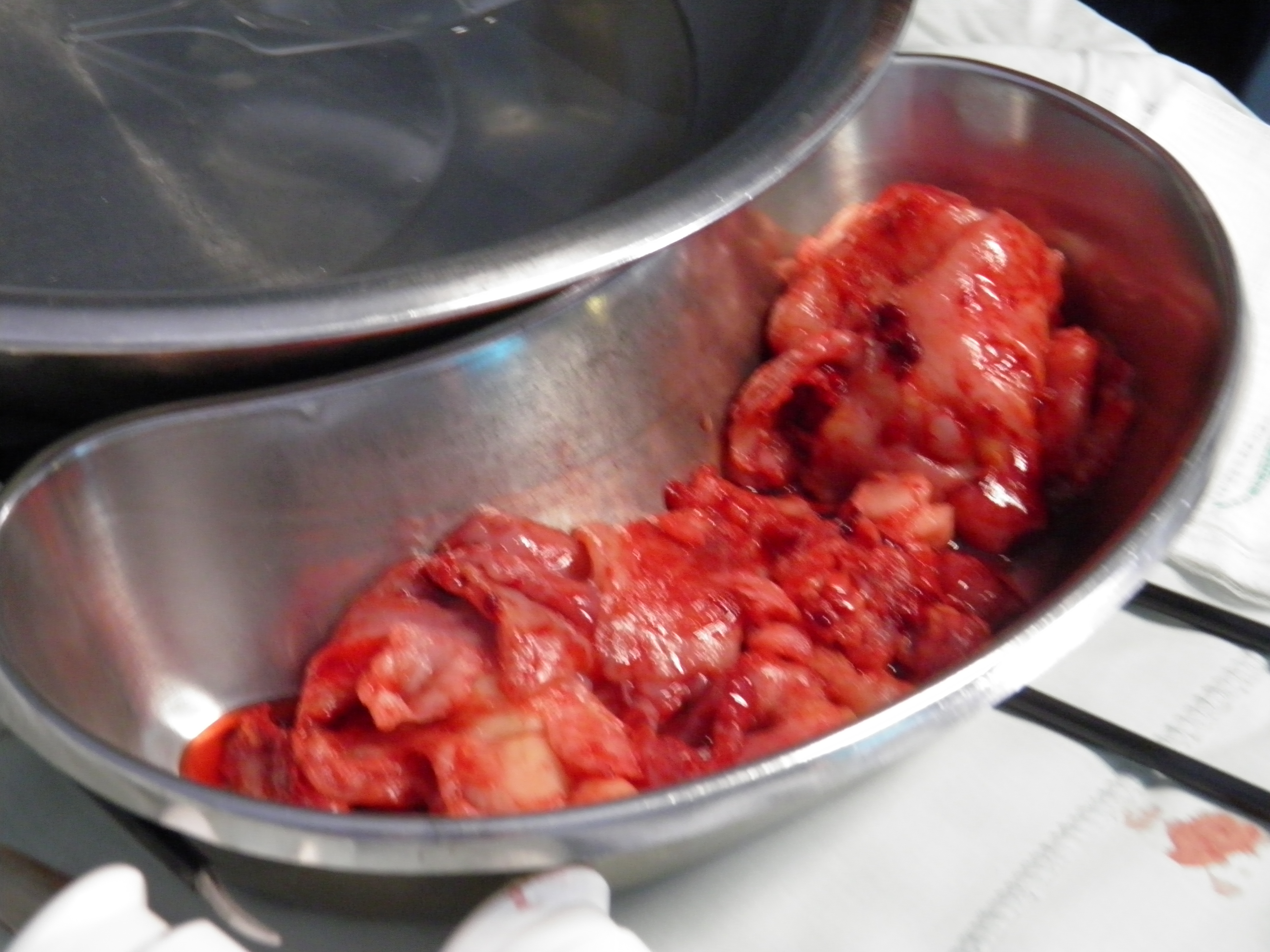
Gonzalez et al. in Coruna, Spain published a case report of a lobectomy by SITS.  The authors note that they have performed three cases by this technique at the time of article submission (November 2010).

As expected, the authors reported decreased post-operative pain and parathesias when using this technique.   They also reported that while visibility is more limited with this approach, they feel that it is less problematic for surgeons already accustomed to, and familiar with double port lobectomies.  This approach, in their experience, is best used for lower lobe lesions due to difficulties accessing and maneuvering for bronchial resection for upper lobectomies.

* If you’ve seen other published reports – please send the citations to the site.

Update:  25 July 2011

I contacted Dr. Gonzalez to inquire about his surgical experiences since the publication of the article this past March.  Dr. Gonzalez reports that he and his colleagues (Dr. Mercedes De la Torre and Dr. Fernandez) have continued to practice SITS for lobectomies and other thoracic procedures, and that he is now using it for the majority of his cases.

Dr. Gonzalez states that many of his patients are discharged earlier (POD 2 or 3) and are experiencing less post-operative pain.  He is planning future studies to demonstrate this.

Dr. Gonzalez website

I expect we’ll be hearing more about Dr. Gonzalez and his partners in the future.

Note: Dr. Chu in Beijing, China has also published cases in the literature with single port lobectomies.

Reference

Gonzalez D., Paradela M., Garcia J. & De la Torre M. (2011). Single-port video-assisted thoracoscopic lobectomy. Interact Cardiovasc Thorac Surg. 2011 Mar;12(3):514-5. Epub  2010 Dec 5. (free full-text article with photographs).

Rocco,  G.,  Martin-Ucar, A. & Passera, E. (2004).  Uniportal VATS wedge pulmonary resections. Ann Thorac Surg 2004;77:726-728. (free full text aricle with color photographs).

Mailbag: Cancer Treatment Centers of America & Lung Cancer

Cirugia de Torax answers one of the most frequently received email inquiries regarding lung cancer treatment and the Cancer Treatment Centers of America.

Update:  in March of 2014 (almost three years after our original post), the Cancer Treatment Centers of America announced the addition of a thoracic surgeon, Dr. Johnathan Kiev to their staff at the midwestern campus in Zion, Illinois.  

Here at Cirugia de Torax.org, we receive quite a bit of email about lung cancer, and lung cancer treatment.  A significant portion of this email concerns questions regarding the efficacy and treatments available at the Cancer Treatment Centers of America – a commercial, for-profit chain of hospital facilities that advertise ‘holistic’ and specialized cancer treatment.

The company currently has four hospitals, spread across the United States (Philadelphia, PA, Arizona, Oklahoma and Illinois with additional facilities scheduled to open in 2012.)

This organization is particularly well-known due to a series of television advertisements with various actors making statements such as “when I woke up from surgery, my surgeon said I had cancer.  He had no compassion” etc, etc.  These commercials tend to be emotionally exploitative (in my opinion), but I thought I would investigate some of the treatments offered for thoracic cancers due to the volume of inquiries.

However, when perusing the information available on-line, including surgeon profiles – it was readily apparent that despite offering a wide range of therapies and information targeted at patients with lung / esophageal/ and other thoracic cancers – there are no board-certified or specialty trained thoracic surgeons currently working for this organization.  The majority of surgeons listed are general surgeons, with a few head and neck surgeons.  In fact, there are only 2 general surgeons at each facility (as well as a plastic surgeon at each facility – listed under ‘breast surgeon’.)

This hospital chain – doesn’t offer thoracic surgical procedures despite advertising heavily for these patients. (Some of the terminology used on their website is vague – but lobectomies, lung resections, esophagectomies are not specifically mentioned.) The website alludes to this fact – in one small section – stating that ‘we’ll give you treatments when others can’t” or at least the assumption that the centers are only treating advanced (late stage) lung cancers is expressed.  But on another section of the site, they advertise diagnostic modalities for diagnose lung cancer – so it’s not the most open/ easily understood website from the patient perspective.

So – to answer previous inquiries, “What about the Cancer Treatment Centers of America?  Is that a good place to go for lung cancer?”

Short answer:  No. (or at least not yet.)

Detailed answer:  As we’ve discussed before, the best long-term outcomes for lung cancer are obtained via surgery.  The first stop after a lung cancer diagnosis should be to see a thoracic surgeon.  After a discussion of your particular circumstances (stages, burden of disease etc.) your thoracic surgeon will be better able to determine whether surgery is an option.  Until this determination has been made, all other therapies/ holistic treatments/ supplements/ etc. should be considered secondary.  These are not the best first-line treatments for someone with surgically manageable disease.

Only after this determination – should/ could patients consider receiving additional or adjuvant treatments in facilities such as the organization mentioned above.

please note – Cirugia de Torax.org does not dispense or provide medical advice, and does not answer individualized/ specific medical or surgical questions.  Questions should be general in nature.  Replies are for basic consumer education, and none of the information provided on this site should be considered in lieu of a medical consultation with a board certified health care provider. 

Additional information –

1. Commercial – a particularly vague ‘cancer’ commercial emphasising holistic / ‘alternative’ treatments.  As a nurse, this specific commercial is rather offensive to me.

2. Cancer treatment center of america – website

In the operating room with Dr. R. Duane Davis

Single lung transplant with Dr. R. Duane Davis, famous cardiothoracic surgeon, and chief of the Lung Tranplant program at Duke. Part of a series.

(Part of a series about the Lung Transplant Program at Duke University, in Durham, North Carolina).

3:40 am.. the surgical team keeps working steadily in the operating room as they wait for Dr. Reddy to arrive.. One diseased lung is being readied for  removal to make room for the new organ.  The anesthesia team maintains the patient’s oxygenation and blood pressure carefully, a delicate balance, using only one heavily damaged lung. The perfusionist stands by, to assist with CPB* (cardio-pulmonary bypass, also known as the heart-lung machine) if needed. [for this particular case – I was not present to witness this portion of the procedure]

at 03:45 we arrive, Dr. Reddy bringing in a wheeled cooler containing the organ.  Quickly, Dr. Davis and another surgeon (one of the graduating thoracic surgery fellows) begins preparing the new lung for implantation.

The clock is ticking, and has been running since the moment the organ was removed, in that OR several states away.  This is cold ischemia time – time when the organ is chilled, prior to implantation.  The cold lessens the tissue damage, but doesn’t halt it completely.  This is why organ procurement is such an orchestrated process, and why Dr. Davis is here, operating at 3 in the morning.  Once the lung is removed from the icy solution and placed into the chest to start the implantation, the real clock (a wall mounted clock) is started, to keep track of warm ischemia time.

Warm ischemia time is the period during which the lung is being implanted into the recipient.  This is when the most damage occurs to the harvested organ, and surgeons use several methods to limit the amount of warm ischemia that occurs.  One of the ways they do this by infusing cold solutions intermittently while attaching the lung to the pulmonary arteries and veins (anastomosis) to re-establish blood flow prior to re-attaching the bronchus (the airway).  The operating room clock is used to record the amount of warm ischemia so that the surgeons know when to re-infuse the solution and to keep track of the total ischemic time during the operation.

Once the lung is reattached by re-establishing both the blood supply from the recipient to the donor lung, and by connecting the airway – it’s time to re-inflate the lung.  This is the most tense period of the operation – as surgeons wait to see if the new lung will function as intended.  If not, the patient will be connected to ECMO (see below for more information on ECMO) to supply the lung with oxygen rich blood to prevent further injury.  Often patients require ECMO for a short period of time after implantation.

One of the problems with lung transplantation is reperfusion injury, which begins at this point.

“Re-perfusion injury” itself is a generic term describing the injury that occurs to tissue once blood flow is re-established (whether this occurs during a treatment of a heart attack, stroke, organ transplantation or other disease process).  A good way to think about re-perfusion injury is that this process occurs as part of the body’s (misguided) attempts to heal itself.  Unfortunately, as the name implies – this sequelae of biochemical events results in more damage to the organ(s) itself.  Medications are also used during this process to limit the amount of reperfusion injury.

Once the lung is functioning (breathing) and the patient is able to maintain oxygenation, and other vital signs (blood pressure and heart rate) the incisions are closed, and the patient is taken to the intensive care unit.  From there, if everything goes well, the patient will be extubated (breathing tube removed and ventilator turned off) and out of bed and walking by the next day.  (In lung transplant, like all lung surgeries, early ambulation is critical.)

* ECMO (extracorporal membraneous oxygenation) by veno-venous access, which is a therapy very similar to cardiopulmonary bypass is also available.

Watching Dr. Davis operating is an experience in itself – among lung transplant surgeons, he is a legend along with Dr. Joel Cooper and Dr. Ken McCurry.  Dr. Davis, locally known as “Dr. McDreamy” for his classic good looks; with silver blond hair and piercing blue eyes is affable and kind.  He was patient with my multiple questions, which is important; as in lung transplant it seems like every answer you discover just leads to another layer of questions.

We’d met before, on one of his visits to the hospital in Virginia where I worked, but I didn’t know him as well as Dr. Shu Lin, who initially extended the invitation for me to visit the Lung Transplant service when I’d expressed interest.

Now here in the operating room, performing one of his many transplants (he’s done around 750 to 800 lung transplants), Dr. Davis was focused, but confident.  He remained in tune to his patient underneath all those drapes, noticing every change in respiration, heart rate or blood pressure before anesthesia could bring it to his attention, even during the more delicate portions of the operation.  I’d come into this part of the procedure after a long day myself, starting at 2am the previous day in Virginia, then meeting with Dr. Lin, rounding on patients, witnessing several cardiac operations before flying off with Dr. Reddy.  It all culminated in the operating room with Dr. Davis more than 24 hours later – watching him operate, and watching the lung struggle to take its first breaths in its new home.  Somehow, all tiredness vanishes at moments like this [though it returns with a vengeance.]

In this case – the lung struggled and needed a very short period of ECMO before recovering in the operating room*.  During all of this, Dr. Davis was calm, and in control.  After a few tense minutes, the lung recovered and ECMO was discontinued.  The remainder of the case proceeded uneventfully, and I stumbled home to get a few hours sleep before my formal interview with Dr. Davis the next day.  It was, all told – another successful surgery for Dr. R. Duane Davis, the patient and the Duke Lung Transplant Program.

* This is related to the physiological function of the donor lung, and the patient response – and not due to technical aspects of the surgery.

Additional References: (to be updated)

Dr. Joel Cooper – thoracic surgeon who performed first ‘successful’ single and double lung transplants, known as the “Father of Lung Transplant“.  The first actual lung transplant was performed in 1963 by Dr. James D. Hardy at the University of Mississippi in Jackson, MS.

Single Incision Thoracoscopic Surgery (SITS) for spontaneous pneumothorax

Chen et. al discuss their experience with single incision thoracoscopic surgery (SITS) in the treatment of spontaneous pneumothorax in this Taiwanese study.

A study from Taiwan (April 2011) highlights the surgeons’ experience using single incision thoracoscopic surgery (SITS) for the treatment of spontaneous pneumothorax.  While the study is small – involving 30 patients, with just ten patients receiving treatment via single incision thoracoscopy, it’s a useful study in demonstrating that SITS is not only possible but feasible for uncomplicated thoracic procedures.

The major advantage of using this procedure in the spontaneous pneumothorax population is the low level of underlying thoracic disease, or co-morbidities necessitating conversion to VATS or open surgery.  In general, true spontaneous pneumothoraces occur in younger patients (teens and twenties) in the absence of other conditions such as infection, emphysema or effusion.  The benefits of using this procedure in such a young, mobile population is reduced pain, and a speedier recovery – and returning these patients to work/ life faster, with less post-operative limitations.

As the authors noted, a consistent obstacle to widespread adoption of this surgical technique is the lack of specialized surgical instruments.   This has also plagued single incision laparoscopy to some extent, with several minor modifications being made by practicing surgeons to overcome these problems, primarily of positioning several instruments thru a single port*.  This is more problematic in thoracic surgery than general surgery due to patient positioning.  (In general surgery the patient is usually laying supine, allowing for a flat surface).

Example of single incision laparoscopy for cholecystectomy

In thoracic surgery, the patient’s side lying positioning puts the operator at  greater disadvantage, with gravity working against the surgeon.  As mentioned in a previous post – there is a commercial port of multiple instruments available, however it is costly, unwieldly and requires larger incisions (making SITS more of a mini-thoracotomy).  The other mechanical problem is the instruments themselves – when placed in a single incision, care has to be taken to prevent the instruments from obstructing the movements of each other.  The authors were able to overcome this obstacle thru practice, but suggest needed modifications to existing instruments.

Despite frequently cited concerns about visibility with this technique, in the article (and confirmed by my own observations in the operating room), properly done single incision thoracoscopy offers the same visibility as multi-port (VATS) thoracoscopy. (See the original article full text for photos of procedure illustrating visibility.)

More recently, (June 2011) Berlanga & Gigirey in Caceres, Spain reported the use of SITS for spontaneous pneumothorax in 13 patients. They reported similar findings, and came to the same conclusions as Chen et. al.  However, these researchers used the commercially available port and reported satisfactory results.

There is a place for single incision thoracoscopy within thoracic surgery.  However, it will take continued research to further delineate its role, and surgical innovation to adapt the current instrumentation for more effective and surgeon friendly use.

Berlanga, L. A. & Gigirey, O. (2011).   Uniportal video-assisted thoracic surgery for primary spontaneous pneumothorax using a singleincision laparoscopic surgery port: a feasible and safe procedure.  Surg Endosc. 2011 Jun;25(6):2044-7. Epub  2010 Dec 7. Full text article not available for link (paid article).

Extrapleural pneumonectomy (EPP) for malignant pleural mesothelioma revisited: the Australian experience

A discussion of and link to the Yan et. al (2011) article, “Improving survival rates after surgical management of pleural malignant mesothelioma: an australian institutional experience” as part of a series of posts on mesothelioma and extrapleural pneumonectomy (EPP).

A recent study by Yan et al. (2011) conducted at the Royal Prince Alfred Hospital in Sydney, Australia does more than look at the outcomes of the aforementioned treatment for malignant pleural mesothelioma.  This study, involving 540 patients, over 25 years also gives us a primer on the evolving treatment therapies for this condition.  As newer treatment therapies emerged, these therapies were given to eligible patients, starting with extrapleural pneumonectomy itself, in 1994 and extending to include both radiotherapy and chemotherapy. Chemotherapy consisted of a combination of pemtrexed, carboplatin and cisplatin.  While this alters the results significantly it also provides for an interesting introspective on the treatment of malignant pleural mesothelioma.

This study is noteworthy for both this reason, and as a study looking at a larger set of patients than many of the other studies on this topic.

Study Design: consecutive, non-randomized.

Patient population:  540 patients; organized into two groups for statistical analysis.  Group I – 270 patients (consecutive patients from March 1984 to September 1999.)  Group II – consecutive patients September 1999 to Jan 2008.  As the authors noted, due to the rarity of this condition in Australia, it took 25 years to recruit 540 patients for treatment.

Patient characteristics: the vast majority were male (455 patients)  with a mean age of 66 (+/- 11 years).  315 patients with right-sided disease, the remaining 225 with left-sided disease.

Disease subtypes:

235 patients with epithelial subtype, 212 with sarcomoid/ biphasic  (type determined by tissue pathology)

Treatments received:

69 patients had extrapleural pneumonectomy

269 patients received pleurectomy/ decortication

202 patients received pleurodesis

62 patients received post-operative radiotherapy starting 8 to 12 weeks after surgery. This treatment was added in 2002.

65 of the patients received adjunctive chemotherapy

Notably, as mentioned above, there was a distinct difference in the treatment allocation for groups I and II due to changing treatment protocols, and the development of new therapies.  While 22% of patients in group II received EPP, only 5% of patients in group I received the same surgical procedure.

Treatment strategies were also limited by patient factors; namely the patient’s physical condition / functional status as being considered able to withstand the proposed treatment therapy.  As mentioned in a previous post, extrapleural pneumonectomy is an extensive surgical procedure which requires significant patient reserves and pre-existing functional abilities for anticipated recovery.  In frail or debilitated patients, (as defined by criteria set forth by Yan et. al) EPP was not attempted.  Some of these patients received either pleurectomy with decortication.  In patients deemed too fragile to withstand either of these procedures, a talc pleurodesis (either by VATS or tube thoracostomy) was performed as a palliative procedure.  Unsurprisingly, the patients receiving palliative treatment options had shorter median survival periods.

Results:

18 patients died in the perioperative period, including 3 EPP patients.

Median follow-up period for the study was ten months.  At the time of follow-up the majority of patients (433 patients, 80%) had died with a median survival time of nine months for group I (range 0 – 115 months).

In group II, the median survival time was 13 months.  (range 0 – 72 months).

Long term survival by group:

Group   I                                                  Group II

1 year      35%                                                     50 %

2 year     16%                                                     22%

3 year       9 %                                                      12%

5 year        2 %                                                       9 %

These five-year survival rates highlight the importance of continued studies for the advancement of treatment therapies for this condition.

Factors associated with greater survival:

In reviewing their research, the authors were able to identify four independent factors that increased the likelihood of survival in this population. (See original article for discussion in further depth.)

1. Yan et. al found that the epithelial subtype was more favorable for patient survival, and that this subtype was more common in the patients in group II.

2.  The surgeon’s experience (of greater than 100 cases) was positively correlated with greater survival.  Surgeon expertise has been shown to be a factor for better patient outcomes in multiple procedures.

3. Patients who received EPP had improved survival compared to patients who received other treatments.  However, this also reflects a selection bias, since the patients who were eligible for EPP had better pre-operative functional status than patients who received other treatments.

4.  Premetrexed chemotherapy – patients who received this chemotherapy regimen had greater survival.

blog author’s note:

Despite dismal five year survival rates for treatment of malignant pleural mesothelioma by a multitude of treatment methods, extrapleural pneumonectomy (with adjuvant chemotherapy) appears to be the most effective cytoreductive surgery for this condition. ( As noted in related posts, HITHOC is an emerging therapy that combines the principles of both.) We will continue to follow research in these areas for the treatment of malignant pleural mesothelioma and invite the experts to add their comments.

Original article:   Yan, T. (2011). Improving survival rates after surgical management of malignant pleural mesothelioma: an australian institutional experienceAnn Thorac Cardiovasc Surg 2011; 17: 243-249.  Primary author: Dr. Tristan Yan.

HITHOC in Regensburg, Germany at the University Medical Center

Information about the Thoracic Surgery program at the University Medical Center in Regensburg, Germany – and their research into HITHOC.

After sending out several emails to multiple facilities with published research on HITHOC – Dr. Michael Ried of the University Medical Center in Regensburg, Germany responded with some interesting information about the thoracic surgery program at his facility, led by Dr. Hans Stefan Hofmann (who was cited in previous posts) and is the primary author of an article in German, called “Cytoreductive surgery and hyperthermic intrathoracic chemotherapy perfusion.”

Dr. Ried reports that surgical treatment of thymoma and malignant pleural mesothelioma are two of the procedures their department specializes in.  Since 2008, they have been performing HITHOC in these patients in combination with pleurectomy and decortication.

Dr. Reid reports that they will be publishing the results of a prospective study based on their experiences with HITHOC in the near future.

Contact information/ Program Summary details:

(note – site is entirely in German, no English version)

University Medical Center:  http://www.barmherzige-regensburg.de

Department of Thoracic Surgery:  http://www.barmherzige-regensburg.de/thoraxchirurgie.html

Chief of Thoracic Surgery: Dr. Hans Stefan Hofmann

General Contact information – department of thoracic surgery:  http://www.barmherzige-regensburg.de/1772.html?&L=0

Email: thoraxchirurgie@barmherzige-regensburg.de

I’ve included visible link information for your information.  Google translate will translate the website, as needed.

I have requested some additional program information, and will update this page, as soon as I receive it.

Additional Resources:

Dr. Hofmann is primary author on more than 40 journal articles on thoracic surgery topics (in English) – several dealing with lung cancer on a cellular level.  I have posted just a very small sample of citations here that I have selected among full text articles available on-line. (Names of articles may have been changed).

1. The wind of change in the therapy of lung cancer – in this free full-text article from 2006, Dr. Hofmann talks about the future of treatment for lung cancer.

2. The DNA of lung cancer – this article talks about specific DNA markers for aggressive lung cancers, and how these markers may be useful in targeting / treating disease.

3. Diagnosing lung cancer with DNA

4. While Dr. Hofmann is not the primary author on this article about treating a soldier wounded in Afghanistan with artificial lung therapies  – I thought it dovetailed nicely with our recent discussions on artificial lungs/ ecmo and ecmo-like therapies and future developments etc.

Transplant surgery at Duke: a painful chapter

a dark moment in the history of Duke’s Lung Transplant Program, and the lessons learned.

24 June 2011

As I prepare to spend a week on the lung transplant service at Duke, I am hesitant to rehash the old scandals and painful wounds of Duke’s past.  But as a medical writer, and former Duke employee, it would be dishonest to ignore this history.

As many people know, almost 10 years ago there was a terrible medical mistake that resulted in tragedy after a mismatched heart-lung transplant in a teenaged girl, which led to her death.  To their credit, in an age of increased medical litigation, and under intense scrutiny, Duke has been  honest and open; they admitted their mistake, and have used this tragedy to set procedures in place, which now make Duke University a forerunner in patient safety.  There is an excellent article on Medscape.com about this event and the immediate aftermath (but requires subscription). If I get any requests – I will re-post the article here.

In fact, Duke is not the only transplant center to have experienced this sort of medical mistake.  Vanderbilt (my alma mater) even published a study based on their experiences.

As someone who knows many of the surgeons involved, I know that as tragic as this episode was, it is only part of the story of these surgeons who perform life-saving operations every single day.

Root cause analysis of a mismatch

Update: 2 July 2011

During my visit down at Duke, this case kept coming back to me. As a former Duke employee, I can imagine how devastating this must have been to Duke employees throughout the facility.  One of the things that I always liked about Duke was the culture of patient service and caring.  People are proud to work at Duke; janitors, receptionists, cooks, nursing assistants, surgeons, nurses all demonstrate this pride visibly by the wearing of Duke paraphernalia, and personally, through small but important gestures.  It’s something that every visitor who ever came to our office in Virginia always remarked on.  “When I was down at Duke” they would all say – and then similar stories would emerge  “I was lost, and didn’t know what to do, but then a person from radiology was walking by.  I asked them for directions and they took me right where I needed to be.”

But it was still hard for me to imagine the immediate aftermath [I started working for Duke in 2007, well after this incident].  But I don’t know how the surgeons felt – and in some ways I was too chicken to ask them.  But I also didn’t ask the transplant service about Jesica Santillan because I wasn’t sure what kind of answer they could really give.  Of course it was a tragedy, of course, they are sorry.  But are there really words for people to express true regret?

Instead, I just looked around, and observed the transplant procedures and looked at the actions Duke has taken in the years since then.  In doing so, I can honestly say that Duke has learned from this.  Despite HIPAA related anxieties in the medical field* and an era of zealous information hoarding, Duke has enacted steps to ensure this sort of catastrophe never occurs again – by acknowledging that “the need to know” extends beyond the surgeons to include other members of the surgical team.  Anyone who has ever been inside an operating room knows that some information is widely shared with operating room personnel, and some isn’t.  That is no longer the case at Duke – every member of the team is informed and involved in fact checking, and double checking patient information; from the moment an organ is offered, during organ retrieval / delivery and implantation.  All of the surgical nurses know, and the information is double checked when the patient arrives in the operating room.  Important patient information is posted in large letters on a whiteboard in the OR.  Then anesthesia and the perfusionists confirm this information with the surgeon present during the time out procedures.

This information is relayed several times during phone calls to the procuring surgeon, before leaving Durham, after the flight – arriving at the donor hospital and before leaving to return to Durham.  When the procuring surgeon arrives to the Duke, organs in tow – this information is again verified, by a different individual at the operating room front desk before the organs are taken back to the operating room.  Then with the organ in the room – the verification process (both the recipient and donor information) is repeated again; circulating and scrub nurses participate – lab personnel participate.  Everyone participates.

There’s some redundancy – in fact, it feels a little like cramming for a final exam.  (If Joint Commission suddenly appeared at 3am to quiz any of these people – everyone would pass with flying colors.)  But it’s also been incorporated into Duke corporate culture and no one seems to give it a second thought.  No one complains, no one sighed or shrugged, everyone knows the price they paid in the past – and no one is willing to repeat it.

* Note: None of the new procedures at Duke violate HIPAA or the principles of HIPAA (patient privacy act).

HITHOC research and programs

New project here on Cirugia de Torax.org: to compile a list of thoracic surgeons and thoracic surgery programs that are investigating and performing HITHOC procedures, but we need your help. Includes clinical trial information.

Since I’ve had enough web traffic and emails to see that I am not the only person that is interested in more news and research in the area of HITHOC, I have started contacting thoracic surgeons and programs that are doing research and treatment using hyperthermic intrathoracic chemotherapy. (I have identified thoracic surgeons through published literature.)

I’ve already contacted several (by email) and hope to hear back soon – so I can pass it on to interested readers.  If you are currently researching this treatment, or know of a thoracic surgery program, please contact me via the site with more specific details.

HITHOC programs – Cytoreductive surgery with Hyperthermic intrathoracic chemotherapy

1.  University Medical Center (Department of Cardiothoracic Surgery) and at the Barmherzige Brüder Regensburg (Department of Thoracic Surgery) – Regensburg, Germany  (more details pending).

1 July 2011

Running into some roadblocks on this project – having a hard time contacting (and receiving replies) from authors researching HITHOC.  Hopefully, I’ll get some more leads soon.

Other Research Programs:

HITHOC (Cytoreductive surgery + hyperthermic chemotherapy

1.  Extrapleural Pneumonectomy /Pleurectomy Decortication, IHOC Cisplatin and Gemcitabine With Amifostine and Sodium Thiosulfate Cytoprotection for Resectable Malignant Pleural Mesothelioma – at Brigham & Womens – study led by Dr. David Sugarbaker (who I have attempted to contact on behalf of the site several times.) This looks to be one of several clinical trial arms for HITHOC/ Hyperthermic chemotherapy for malignant chemotherapy at Brigham and Women’s.

Hyperthermic Chemotherapy only:

1.  Hyperthermia/Thermal Therapy With Chemotherapy to Treat Inoperable or Metastatic Tumors  – at the University of Texas at Houston, TexasClinical trial currently recruiting participants.

2.  Heated Chemotherapy for Cancers That Have Spread to the Chest Cavity – at St. Luke’s Roosevelt Hospital. Currently enrolling participants.

Intrathoracic Hyperthermic Chemotherapy (Hithoc) in advanced non-small lung cancer: the Nara Experience

As part of a continuing discussion of HITHOC (Hyperthermic IntraThoracic intraOperative Chemotherapy), today we are talking about the results of a small study conducted at the Nara Medical University, School of Medicine in Nara, Japan.

As part of a continuing discussion of HITHOC (Hyperthermic IntraThoracic intraOperative Chemotherapy), today we are talking about the results of a small study conducted at the Nara Medical University, School of Medicine in Nara, Japan.

While the study is small (just 19 patients in three groups), it’s important because the patients involved all had advanced lung cancer, with malignant pleural effusions or disseminated disease discovered at the time of surgery. This is important, as readers know, because lung cancers are often diagnosed late, (after patients develop malignant effusions), and that the prognosis for patients with malignant effusions is grim.

Population: 19 patients.

Notably, the treatment group C consisting of seven patients (which received no intrathoracic thermic treatment) who were treated during an earlier period (2001 – 2003). Group C had an average age of 64. Essentially a control group.

The remaining patients were treated during 2006 – 2008 and are divided into two groups;

Group A which received hyperthermic (hot) saline infusion with a 30 minute dwell time – consisted of seven patients.  This group was also older (average age 72).

Group B, consisting of five patients who received hyperthermic chemotherapy (cisplatin) infusion into the chest cavity with a 30 minute dwell time.

Note: Infusion in this post refers to instillation of fluid into the chest cavity, not an intravenous treatment.    All patients received post-operative adjuvant chemotherapy.

The grouping of A and B serves to distinguish whether the mechanism of treatment is related to the application of heat alone, or the application of heated chemotherapeutic agents.  Current theories about the effectiveness of HITHOC suggest that the heat of the chemotherapy allows the drugs to penetrate more deeply into the tissues compared to application of chemotherapy alone, but requires studies such as this to support this theory.

Interestingly, the pre-operative staging of these patients differed significantly from intra-operative findings with 8 patients diagnosed with early disease (stage I), five patients with stage II and only six patients as stage IIIA pre-operatively.  (Presence of a pleural effusion denotes stage IV).  Malignant effusions were not seen during pre-operative workup. (It is not uncommon to find more advanced cancer at the time of surgery.)

Surgery: All of the patients underwent a VATS procedure (video-assisted thoracoscopy).  The majority of patients of patients (16) underwent surgery to remove the primary lesion (cytoreductive surgery) with ten patients undergoing lobectomy and six patients undergoing wedge resection.

Intra-operative findings:  16 patients found to have malignant effusions, 10 patients with disseminated disease.

Results: No intra-operative/ post-operative deaths.

Group A (hot saline group): no deaths during follow-up period, with a median follow-up period of almost 20 months.  No recurrence of pleural effusions.

Group B (heated chemotherapy group): 4 deaths in follow-up period; median survival time was 41 months, one patient with recurrent pleural effusion 26 months after treatment.

Group C: (VATs alone): 5 deaths (during follow-up period) median survival 25 months, 4 patients with recurrent pleural effusions (average time to recurrent effusion: 3 months).

While this study is too small (with only five patients receiving intrathoracic chemotherapy) to generalize the results – it should prompt researchers into conducting more studies and trials into the use of hyperthermic intrathoracic chemotherapy in patients with late stage lung cancers.

The decreased incidence of pleural effusion in the treatment groups (A and B) is important also for quality of life issues.  However, these findings are also limited by the small study size.

I have written to Dr. Naito (corresponding author on this article) for further comment and information.

Reference:

1. Kimura, M., Tojo, T., Naito, H., Nagata, Y., Kawai, N., & Taniquichi, S. (2010). Effects of a simple intraoperative intrathoracic hyperthermotherapy for lung cancer with malignant pleural effusion or dissemination. Interactive Cardiovascular & Thoracic Surgery 2010, April, 10 (4); 568 -71.  (linked to pdf).

Latest research findings: Mesothelioma

new research results from the University of Pennsylvania on the treatment of pleural mesothelioma.

The University of Pennsylvania reports the latest results of a small study involving 28 patients with pleural mesothelioma.

This limited study compared combination treatment using photodynamic therapy along with a lesser lung surgery (14 patients) in comparison to extrapleural pneumonectomy alone (14 patients).  22 of the 28 patients also received chemotherapy.

Patient population: 28 patients – 12 /14 patients in either group with advanced (stage III/IV ) disease

Results:  Extrapleural pneumonectomy group had a median survival of 8.9 months.  The combination photodynamic/ surgery group median survival exceeded two years (when the study ended).

Take away message for readers:  It’s too early, and the study groups are far too small for us to generalize these findings.  However, these preliminary results are encouraging and should prompt more, larger scale studies / trials looking at photodynamic therapy as adjuvant therapy along with thoracic surgery for pleural mesothelioma.


Update: 06/15/2011:

the mesothelioma study from PA just got picked up by a major wire service, so expect to read and hear a lot more about it.

Update: 08/15/2014:  Mesothelioma.net has asked that I link with their site.  They offer some informational services for people facing mesothelioma.  Please let me know if this site is spam-plagued or otherwise dubious and I will remove the link (the site is a bit ‘shiny’ and circular for my taste.)

Pre-operative Incentive Spirometry for Pneumonia Prevention

Another study confirming the importance of pre-operative respiratory exercises for surgical patients – this one looking at cardiac surgery patients and the incidence of post-operative pneumonia.

Shared content from sister site.

Another study confirms the utility of using an incentive spirometer (IS) and performing ‘pulmonary toileting’ prior to surgery.  The study, re-posted below looks at the rate of post-operative pneumonia in cardiac surgery patients.

Patients were stratified into two groups; one group received pre-operative IS teaching several weeks before surgery and the other didn’t.  Results: a dramatic reduction in post-operative respiratory complications – confirming what we know (and taught our patients about).

If you don’t have your incentive spirometer – take the deepest breath you can (inhale slowly.. over 2-3 seconds), hold for ten seconds, slowly exhale.  Repeat ten times, then rest..  Do this several times a day – along with coughing exercises..(and get your incentive spirometer)

Article Re-post:

Preop Deep-Breathing Exercises Cut Pneumonia Risk After Cardiac Surgery

By Anne Harding

NEW YORK (Reuters Health) Jun 03 – Using an incentive inspirometer for a few weeks before cardiac surgery can help high-risk patients avoid pneumonia, new research confirms.

“The idea of the inspiratory muscle training before surgery is that if you increase your inspiratory muscle function before surgery, you can do your deep breathing exercises after surgery better and therefore the pulmonary complications can decrease after surgery,” researcher Karin Valkenet of the University Medical Centre Utrecht in the Netherlands told Reuters Health.

On Wednesday at the American College of Sports Medicine’s annual meeting in Denver, she reported that cardiac surgery patients in her study who did not receive at least two weeks of preop inspiratory muscle training (IMT) were three times as likely to develop pneumonia.

Valkenet’s study follows a 2006 paper in the Journal of the American Medical Association by another team from her center, which reported on 279 high-risk patients undergoing coronary artery bypass grafting (CABG) In that study, 6.5% of the IMT group developed pneumonia, compared to 16.1% of controls. Overall, 18% of the IMT group had postoperative pulmonary complications, compared to 35% of controls.

In the new study, Valkenet and her colleagues enrolled patients with diabetes, productive coughing in the previous five days, or impaired pulmonary function. Ninety-four such high-risk patients were given incentive inspirometers, trained to use them, and told to practice for 20 minutes a day at home. Their starting load was 30% of maximal inspiratory pressure, which they increased based on their perceived exertion.

Another 252 high-risk patients served as controls.

One patient in the IMT group developed pneumonia, compared to eight patients in the control group. While the difference was not statistically significant given the low number of events, Valkenet and her colleagues were able to show a relative risk of 2.9 for the patients who didn’t undergo the training, based on a propensity score analysis.

“The data confirms the randomized, controlled data that was published earlier so that’s very good news for us,” Valkenet said”.  [end of re-post]

Remember – this advice goes for all surgical patients – especially lung surgery patients, in addition to heart (cardiac surgery) patients.

Pulmonary Metastasectomy: Cherry Pickin’

A brief description of pulmonary metastasectomy (lung resection for metastatic disease) with a limited review of recent literature.

Pulmonary metastasectomy is a medical term used to indicate surgical resection or removal of a metastatic lung lesion.  This terminology reflects the presence of an underlying non-lung primary cancer.  This terminology can sometimes be confusing for patients; particularly as the surgical procedure itself is unchanged (from lung procedures for other lung lesions.)

In lay person’s terms; this is also sometimes called “cherry-picking[1]”.

The Procedure:  Lung Resection

Usually, patients undergo the standard VATs or open wedge resection used for other primary lung lesions, to remove the cancerous tissue.  The amount and type of surgery depends on the location and size of the lung lesion, so in some cases patients have bigger procedures such as lobectomies or pneumonectomies for this condition.

The reason for delineating a difference in terminology is related to long-term outcomes and adjuvant treatment strategies.  This means that the accompanying treatments such as chemotherapy or radiation are different for different underlying diseases (ie. primary lung tumor versus metastatic disease from different area.)

For example:

Patient A has a wedge resection for a primary lung tumor, which turns out to be a bronchiogenic adenocarcinoma during intra-operative pathologic reporting (the lesion is sent to the pathologist during surgery & we wait for his report before completing the rest of the surgery.)  The best treatment for this is a lobectomy, which is completed while the patient is still in the operating room.

Patient X has a history of colon cancer which was previously  treated with surgical resection of the colon, and chemotherapy.   X has been doing well but a recent CT scan shows a lesion in the right lower lobe of  his lung, with no other lesions seen.  Since Mr. X has a history of colon cancer – this lesion may be a metastatic colon lesion – and the adjuvant treatment, as well as the post-operative prognosis is very different.

How do we know who would benefit from pulmonary metastasectomy? (A brief look at the published literature)

1.  The International Registry of Lung Metastases (IRLM):  (the link is to a nice article explaining more about the history of registry and initial results).  The registry was first started in 1990, and as the name suggests, this is an international registry that  was created to track the outcomes of patients with lung metastases.  By tracking this data, we are able to better understand which treatment therapies are useful/ life-saving and which treatments aren’t, according to patient disease characteristics (i.e patient with breast cancer and a lung lesion may fare differently than a patient X from our example above.)

The initial data from the registry actually came from fifty years of chart reviews, starting from 1945 to 1995.  This study, by Pastorino, is considered the Hallmark for pulmonary metastases.  All other studies build on this body of work, to either confirm, refute or expand on their findings.

Other researchers have looked at this as well:  (this is just a small sample of recent research findings)

2.  Zabaleta et. al (April 2011) published an article in Cirugia Espanola, “Review and update of prognostic factors in lung metastasis surgery”  which nicely explains their findings. Zabaleta and his team compiled data on ten years worth of patients (146 total) and determined that the most important factors for  predicting outcomes were: age of patient, disease free interval (after initial  disease treated), the number of lung nodules and the size of these nodules.  This study confirms the original findings.

Unsurprisingly, the patients that did the best (lived the longest and least or re-operations for more lesions) were the patients aged 41 – 79 who had long periods before the lesion appeared, with a solitary nodule less than one centimeter in size.  Clear surgical margins were not determined to be statistically significant (due to low-frequency of positive margins in study population) but all of the patients with positive surgical  margins failed to survive the study period (only nine cases with + margins).

Patient Population:   The majority of the patients in this study (54.8%) had colo-rectal primaries, but there was a sizable sarcoma primary population
(12.3%) as well as several other primary types which adds to the generalizability of the study.

Patient outcomes:   38 patients (26%) developed recurrent lung lesions after lung surgery – with a mean time to recurrence of 18 months (range of 3 to 60 months).  I would have liked to have known which primaries were responsible in the recurrence group, since certain cancers are more aggressive than others.  Overall mean survival was 67 months, with a five-year survival rate of 52.4%  While the authors mention the poor prognosis of sarcoma, it would have been nice if they could have broken down the survival statistics better by primary cancer type – as the authors attribute survivability by cancer factors rather than type (i.e. sarcoma usually has multiple mets).

3.  A Japanese study published this winter in the Annals of  Thoracic Surgery looking at colorectal patients with metastatic liver  metastasis who underwent pulmonary metastasectomy (lung resection).  Study population was small (19 patients) despite a long study period (1992 – 2006) but findings were interesting with a five-year survival rate of 60%.

4. This is a nice retrospective case review by Sardenberg, et. al (2010) in San Paulo, Brazil looking at pulmonary metastases and surgical lung resection in patients with soft tissue sarcomas.

Patient population: 77 patients who had 122 surgeries involving 273 nodules – this gives you a bit more of an idea how sarcoma can differ from other cancers (more lung mets – multiple nodules). Study period was a chart review of patients referred to thoracic surgery from 1990 to 2006.

Findings: number of metastatic lesions less important than resectability, meaning “Were they able to get it all?”  This; [complete resectability] was the greatest predictor of survival – and 34.7 % of patients in this study survived 90 months (then investigators stopped looking).  Mean survival was 36 months.

This is just a fraction of the literature out there, but all of these studies were well-written, and freely available without subscriptions. There are a couple of interesting studies that are awaiting journal publication – so I will try to update this article once they are published.


[1] The term cherry picking referred to the patients that are selected to undergo surgery  for their metastatic lesions.  Usually  the patient has only one or two metastatic lesions – which can essentially be  surgically removed or ‘plucked out’.  This procedure is less feasible / successful in patients with multiple, bilateral lesions.

Talking about Transplant with Dr. R. Duane Davis

Interview with Dr. R. Duane Davis, the Chief of Lung Transplant at Duke University

(Part of a series on the lung transplant program at Duke University in Durham, North Carolina)

Dr. R. Duane Davis is the Chief of the Lung Transplant Program at Duke, which is the second largest lung transplant program in the United States (after Cleveland Clinic which performed 154 transplants last year to Duke’s 117*).  During my visit, surgeons performed their 70 & 71st transplant this year, and will probably complete around 140 transplants before the year’s end.  Much of Duke’s success at becoming a high volume transplant center lays at the feet of Dr. Davis, who took over the program in 1994, after training with the famed Dr. Joel Cooper.  However, he credits many of his achievements to his training with several pulmonologists.  In fact, he reports that it was his collaborative efforts with pulmonologists that led to his initial observations regarding the frequency of gastric reflux among transplant patients.  (Later this was translated into the seminal work on the relationship between reflux / aspiration and graft failure**.) He cites this as one of the more important recent discoveries in the field of lung transplantation.

He estimates that during his career (thus far) he has performed around 750 – 800 lung transplants, making him one of the world’s more prolific lung transplant surgeons.

Dr. Davis is also responsible for several decisions that have distinguished Duke among transplant programs.

One of these decisions was the elimination of upper age restrictions for recipients.  Unlike many facilities, Duke does not limit eligibility for transplantation solely based on age. (Many facilities limit transplantation to patients in their mid-sixties or below.)  As part of this, he also rejects much of the ageism that is often implicit in transplant.  “If we have two patients, otherwise equally matched but one is 18-years-old and the other is 53, then everyone always wants to give the transplant to the 18-year-old,” he explains.  “It’s ageism to do that, particularly when research shows that the 18-year-old may not do as well [due to risk of noncompliance with anti-rejection meds. etc] so we need to carefully consider all of the factors before deciding,” he continues.  “It makes us all feel good to give it to the 18-year-old, but that’s not always the right decision.”

One of the other decisions is something we talked about in a previous post – the use of organs that other facilities have turned down, sight unseen.  He credits this decision with the short waiting periods for Duke patients compared with other patients nationwide.

Dr. Davis explains this policy along with other efforts to expand the donor pool.  “There will always be a larger demand than the supply, but by expanding our eligibility criteria we increase our likelihood of finding an organ for our patients.  As Dr. Davis explains, using traditional criteria, only about 10,000 donors are available every year, and in this donor pool, only about 17% of donations are lungs.  He believes this number should be at least 40%, and that many useful organs that could have been transplanted are discarded.  This is why Duke often sends their procuring surgeon on site to examine the lungs personally before deciding to reject organs for transplantation, if the lungs are otherwise a good match; (by size, blood type, etc.).  In an attempt to meet demand and extend the lives of patients that might not otherwise receive transplants due to the shortage of donors, Duke surgeons recently implemented a program to accept donors from cardiac death patients (where the heart has stopped beating.)  In traditional donor criteria, the patient’s heart is still beating at the time of organ retrieval.  However, this criteria severely restricts the amount of donors available.  As part of his efforts towards these ends, he reminds people of the value that organ donation has to help others, and encourages people to become organ donors.

During the interview, he also talks about breakthroughs in transplantation, such as the double transplantation of Laura Margaret, a 16-year-old with an immune deficiency disorder (bubble boy disease) who received a double lung transplant, followed by a bone marrow transplant from the same donor.  In particular, he sees this particular case as a gateway to future discoveries in preventing graft (organ) rejection.

Like most Lung transplant surgeons, transplantation is only part of what Dr. Davis does, he is also an accomplished cardiothoracic surgeon, and performs cardiac surgery (such as bypass surgery/ valve replacement and surgery for atrial fibrillation) routinely.  He states that he doesn’t have a favorite procedure, but he does have a favorite scenario.  “I love the Christmas transplant,” he explains, when a patient receives a transplant on or around the holidays, and I get to come out to the family after the operation, and tell them Merry Christmas.”  It really is a wonderful gift for the patient, he finishes.

** Surprisingly, even very large centers such as John Hopkins (24 last year), Massachusetts General (16) and Mayo Clinic (16) perform less lung transplants that we might expect.  Even UCLA only performed 50 lung transplants in 2010. (Information from Organ Procurement and Transplant Network).  Like many thoracic procedures, (as mentioned during discussions on esophagectomy and other lung surgeries) better surgical outcomes are linked to high-volume centers.  Whether this is a result of ‘practice makes perfect’ or is due to the fact that high volume centers like Cleveland Clinic and Duke are usually large academic centers with a wealth of resources is not entirely clear.  However, I would advise patients to use caution before seeking organ transplant at a center that does only a few transplants per year (less than 20- 30.) A recent study by Weiss et. al (2009) at John Hopkins places this number at 20, which as Dr. Mathew Hartwig noted during a recent lecture, is coincidentally,the three-year average [number of lung transplants] at that center.

* Future article planned for this topic.

More about Laura Margaret:

Double lung transplant saves teen’s life

Pioneer transplant surgery

Laura Margaret story

at 14,000 feet

the writer is out of her element, and reflective during a recent trip for organ procurement with Dr. “Shaker” Reddy during her week on lung transplant at Duke.

** When discussing or writing about organ donation or transplantation, more stringent privacy rules apply for the protection of all parties. For this reason, when discussing both the donor and the recipient, gender pronouns and other identifying features have been intentionally omitted. Post dates have been randomized to further prevent identification of recipients**

After spending most of the day in surgery with Dr. Lin, it’s time to meet with Dr.Lankala Reddy, the procuring surgeon and head for the airport.  Dr. Reddy, or “Shaker” as he’s known, has a clipped British accent, and confesses that he hasn’t be home to the UK since he came to Durham four years ago.  He came to Duke as part of his fellowship in Lung Transplant, and after completing his studies, stayed on as a procuring surgeon.  He also evaluates new patients for the Lung transplant program.

At the airport, we are met by two pilots and the final member of the procurement team, the preservationist on call, Lee Hinesley.  Lee is a lanky young guy with small laugh lines at the corners of his eyes which speak of his pleasant, and laid back manner.  “This isn’t Three Rivers,” he says with a wry smile, speaking of one of the popular melodramatic medical soap operas.  On the way to our destination, Lee pulls out a thick textbook and begins to read.  He’s studying for his certification as a preservationist. He’s completed all of his training some time ago, but the exam is only offered a few times a year he explains.

Like Lee says, our journey is ‘not like on TV.”  There is no frantic, controlled chaos or adrenaline surges.  Procedures have been streamlined and refined to eliminate most of the extraneous time-consuming variables. Routes are carefully planned, with several check-ins and updates to the surgical team back at Duke, who are awaiting our return.  Instead of hectic activity, there is calm and carefully scripted movements, as part of an established routine.  As one of the busiest transplant centers in the United States, the amazing, and incredible idea of taking an organ from one person, and placing it in another has become, if not quite routine, almost common.  So there is no need to worry; they have it all down to a science.

The plane itself is an executive jet; comfortable but by no means luxurious.  Rookie that I am, I am greatly relieved.  For some reason, I had pictured the close confines of a LifeFlight helicopter.  These flights aren’t called life flights – that term is reserved for the emergency flights that bring in trauma patients, and the critically ill; but in my mind – I’ve renamed our journey.  “Procurement” is such a cold, clinical term that erases all of the magic of the surgery.

(Now, readers should notice that I don’t usually talk in such fanciful terms, but to me, transplantation, like cardiac surgery doesn’t lose it’s awe-inspiring ability just because the medical community is ‘getting good at it.’   It’s still an amazing miracle every time, even if it’s done 140** times a year here at Duke.)

After flying across several states, we land at a small airport.  Within minutes, the plane for another surgical team (who are taking the heart) is landing.  We see them arrive through the window of the local sheriff’s vehicle.  He and another EMS person were waiting, to transport the teams to the “host” hospital.

The donor is tragically young, as they often are.  Looking at the donor, as we enter the operating room, I am stricken by how difficult this must have been for the family, during such an incredibly painful time.  Even as an experienced health care provider, I am taken aback.  I know that the donor has died, but (particularly in this case, where there is little visible injury) I feel deeply for the family; machines give the appearance of sleep with rise and fall of the chest though this patient will never wake up again.  What a caring, compassionate family they must be – to be giving at a time when they are hurting.  I hope this gives them solace in the future.

The staff of the local hospital are friendly, accommodating, if a little confused by all the unfamiliar, masked staff in the room.  Even without the official badges prominantly displayed the surgeons are easy to identify by their confident, self-assured manner.  I stay out of the way, standing near the anesthesiologist.  We banter a bit, and do the ‘six degrees of separation’ until we find several points in common, which awkwardly brings home the situation, as I consider the degrees of separation between donor and recipient.

The procedure itself is pretty standard, but intricate as vessels are gently untangled, ice applied and preservation solutions infused to protect the organs during transit.  Then steadily, quickly, efficiently but unhurried, the organs are packed for transport.  A quick thank you to the staff and we are off to the airport again.

When we land, we notify the operating room, and at 3:45 am, the surgeon wheels the cooler containing the lung into the operating room, where Dr. R. Duane Davis (and the patient) are waiting.

** current lung transplant procedures for the first six months of 2011, place estimates for year end totals around 140.

Dr. Thomas D’Amico: Duke Thoracic Surgery

A brief interview with Dr. Thomas D’Amico, Chief of Thoracic Surgery at Duke University Medical Center.

Dr. Thomas D’Amico is one of the first American thoracic surgeons I’ve had the privilege of interviewing for the website, after he was recommended to me by several other surgeons in Colombia.  (Dr. D’Amico went to Medellin as an invited guest a few years ago and apparently made quite an impression.)

The irony in this scenario is unmistakable, since I worked for Duke (at another facility) for over three years – and knew of Dr. D’Amico, but had never met or spoken to him before.

Today, Dr. D’Amico took some time out of his busy schedule so we could talk about minimally invasive surgery, esophageal surgery programs and robots.

Dr. D’Amico is the Chief of Thoracic Surgery at Duke University Medical Center in Durham, North Carolina.  Together with several other physicians that make up the thoracic surgery program; the surgeons at Duke perform 1600 – 1800 cases per year.  This includes the entire spectrum of thoracic surgery procedures (thoracoscopic surgeries including lobectomies, wedge resections, mediastinal tumors, etc).

Last December, Duke started a minimally invasive esophageal surgery program, as well as a robotic thoracic surgery program.  (Both of these concepts should be familiar to readers since we published articles on these very topics earlier this month, talking about the TIME trial in Europe, comparing outcomes between traditional and minimally invasive esophageal surgery, as well as previous post exploring the dearth of published literature on Robotic Thoracic Surgery. )

Since its inception six months ago, the program has done 80 -100 cases of minimally invasive esophageal surgery.  Notably, Duke has an established esophageal cancer program – which performs about 70 – 80 esophagectomies a year.  This doesn’t sound like a lot, but it actually distinguishes this program as a high volume center, which is important for reducing morbidity and mortality.  Multiple studies have confirmed that esophageal surgery patients do better (less deaths, less complications) when they have surgery with thoracic surgeons at high volume centers.

The Robotics program, headed by Dr. Mark Onaitis is performing about 8 to 10 cases per month.  The program is currently limited due to access to the Divinci robot.  (Currently, thoracic surgery has use of the robot one day per week.)  Dr. D’Amico reports that surgical case times have been increased on the robotic cases but states that much of this is robot maneuvering time as the robot is brought into position for surgery.

I’ve asked to observe a robotic case so I can bring you first hand observations (a la Bogotá Surgery style), as well as have a chance to look around the dedicated thoracic surgery unit at Duke hospital.

Pleural mesothelioma and related conditions are less well-defined within the Duke Thoracic surgery program.  They only see about 20 or 25 cases per year, and don’t really have an established program for these patients.  Dr. D’Amico reports they are not actively pursuing brachiotherapy or HITHOC (intrathoracic hyperthermic chemotherapy) options.  The main focus of the program remains minimally invasive procedures, which is where Dr. D’Amico sees the future of thoracic surgery.

As for the surgeon himself, he is surprisingly closed lipped about his personal and professional life, and declined to answer any questions on the subject.  He has a reputation around Duke as a shy, quiet and gentle man but my time with him was extremely limited, so  I have no insights, or impressions to pass along to readers. Hopefully, I’ll get another chance to speak with him in the future, so I am able to give more details about these programs, and the surgeon behind it all.

Cytoreductive Surgery with Intraoperative Hyperthermic Intrathoracic Chemotherapy

An introduction to cytoreductive surgery with hyperthermic intrathoracic chemotherapy administrative for the treatment of malignant pleural mesothelioma.

Cytoreductive surgery with Intraoperative Hyperthermic Chemotherapy (HIPEC) has been used for over a decade now for abdominal cancers including metastatic colon cancer (peritoneal carcinomatosis) and malignant peritoneal mesothelioma.  During this lengthy procedure, surgeons remove as much gross disease as possible, and then infuse heated chemotherapy agents directly into the abdominal cavity to kill any residual cancer cells.  One of the benefits of this treatment is that by directly administering chemotherapy to the site of disease – the patient experiences less toxic side effects (versus intravenous or oral ingestion) and higher concentrations can be used, which are more effective at killing the malignant cells.  Research findings have been encouraging, and have shown significant improvement in median survival in comparison to standard treatment.

During my research in Bogotá, Colombia – I interviewed a general surgeon who was responsible for establishing a HIPEC treatment program in a local hospital there.  (There are less than 25 HIPEC treatment centers in the world.)  This spurred my interest in thoracic applications of this procedure (called the Sugarbaker procedure after the inventor, Dr. Paul Sugarbaker, an oncologist.)

In recent years, thoracic surgery has investigated and adopted some of this research for use and treatment of thoracic cancers, in a procedure known as HITHOC.  In thoracic surgery, intrathoracic (inside the chest) administration of heated chemotherapy in the operating room has been used primarily to treat malignant thymomas and malignant pleural mesothelioma.  Results of recent studies have been mixed – with the best results occurring in patients with thymomas.  In patients with mesothelioma, prognosis is dependent on stage.

Rutgers and Bree et. al at the Netherlands Cancer Institute published several additional studies on the subject,  looking at the effectiveness of different chemotherapeutic agents for HITHOC.  Given their extensive experience and knowledge on the subject, I have contacted the researchers at the Netherlands Cancer Institute to invite the authors to submit a guest post.  (I’d rather all of you hear from the experts!)

Additional References: (links when possible)

1. Dutch study using the Sugarbaker procedure for intrathoracic infusion for pleural thymomas and malignant pleural mesothelioma.  Bree et. al (2000) from Chest. Small study with only 14 patients but a nice discussion of the procedure with graphics. Multiple other studies from these authors, as mentioned above.

2. A nice blog that explains the Sugarbaker procedure.

3. Very small Japanese study from 2003 – five patients.  Notably, these patients had a different disease process – lung cancer with pleuritic carcinomatosis. 4 out of five patients demonstrated significant longevity after the procedure with no recurrence.

Extrapleural Pneumonectomy: EPP

Extrapleural pneumonectomy for malignant mesothelioma

Extrapleural Pneumonectomy (EPP) is a radical operation in which the entire lung, and tissues of the lung space (pleura, diaphragm and pericardium) are removed.  This is done as part of a cancer operation, often for an aggressive cancer called malignant mesothelioma. During cancer operations, surgeons have to remove all or as much cancer tissue as possible, including microscopic cells that are not visible to the surgeon at the time of surgery.  Any tissue that is left behind may have cancer cells which will continue to grow, and spread.  Due to the location of the cancer cells (in the lining), surgeons have to remove more tissue than if the cancer was centered in the lung itself.  This includes replacing the diaphragm with a synthetic patch during surgery.

Mesothelioma is named after the cells it affects.  These mesothelial cells make up the “linings” of the body cavities.  For this reason, mesothelioma can affect other areas of the body, in the linings of the abdomen called the peritoneum, the pericardium (the lining around the heart), and most commonly, the pleura.

Inside the chest, coating the chest wall is a thin lining tissue called the pleura.  The interior area of the rib cage and chest are thus called the pleural cavity.  When mesothelial cancer cells invade this fragile tissue layer, it is called pleural mesothelioma, which is different from peritoneal mesothelioma.  (Peritoneal mesothelioma affects the peritoneal cavity, or abdominal cavity.)

Not everyone is a candidate for this surgery.  Due to the radical nature of this procedure, patients need to have good pulmonary function and overall functional status prior to surgery.  (The patient is going to lose one whole lung during this procedure, so patients that are already oxygen dependent / bedridden or otherwise debilitated won’t be able to tolerate this procedure.)  The best patients for this surgery (the patients who will have the best outcomes/ receive the most benefits from surgery) are patients with good functional status (able to perform normal activities of daily living) with earlier stages of the disease.  In these patients – this surgery can extend their lives significantly.  In patients with more advanced (stage III/ stage IV) disease, the surgery will make them live longer (months) but the quality of life may be worse post-operatively.

Prior to consideration for extrapleural pneumonectomy (or any other treatment) the doctors will want to definitively diagnose (prove the diagnosis through tissue biopsy) and do preliminary staging.  (Final staging occurs after the operation when further tissue / lymph node biopsies are evaluated by the pathologist).

Preliminary staging and pre-operative evaluation is the process to try to figure out how much cancer is present (has it spread?) and whether the patient can tolerate a large operation.  Mediastinoscopy; a surgical procedure to look at mediastinal lymph nodes (lymph nodes behind the sternum or breast bone), PET scans and blood for tumor markers help determine how much cancer is present.  The tumor markers also help the oncologists figure out which chemotherapy drugs will work the best.

Pre-operative testing is looking at lung function, to see how well the patient will do with only one lung.  Cardiac testing may be done as well since surgery can be stressful to the heart.

If the disease is controllable with surgery, and the surgeon thinks the patient can withstand surgery – the surgeon will consult with an oncologist about the timing of surgery and adjuvant treatments (chemotherapy/ radiation).

Even with radical surgery, the prognosis for malignant pleural mesothelioma is poor, but improves with combination therapies (surgery with chemotherapy/ radiation.)  Currently, surgeons are investigating the use of cytoreductive hyperthermic chemotherapy  (HIPEC/ Hithoc) for treatment of pleural based mesothelioma.  (Previous studies by Dr. Paul Sugarbaker has shown this treatment to be effective with advanced abdominal cancers including malignant peritoneal mesothelioma.)  We will discuss HIPEC further on a future post.

There are numerous studies looking at extrapleural pneumonectomy for treatment of malignant pleural mesothelioma. The links below is just a small sampling.

1. Extrapleural pneumonectomy for malignant pleural mesothelioma (2005) – Argote- Greene, Chang, and Sugarbaker. (Note: this article was co-authored by Dr. David Sugarbaker, Department of Thoracic surgery, Brigham Womens & Children’s, not Dr. Paul Sugarbaker, developer of HIPEC.  I am going to attempt to contact Dr. Davis Sugarbaker for commentary for the site since he is the expert on this topic, so hopefully I’ll be able to update the site with his post in the future.

2.  Radical surgery for malignant pleural mesothelioma – Japanese study comparing results for EPP versus pleurectomy / decortication.  The main points to take away from this study is that stage of disease has a huge impact on prognosis, and outcomes after surgery.  (The patients with stage I and II that underwent EPP did fairly well.)

3. Review of 83 cases of EPP – (2009) French study which unintentionally highlights the potential complications of surgery of this magnitude(almost 40% had major complications and had a re-operative rate of almost fifteen percent.)

Esophageal surgery and esophageal surgery centers

Discussion of article by Bilimoria and the importance of high volume esophageal surgery programs for successful post-operative outcomes.

Here’s another study highlighting the importance of having esophagectomies (esophageal surgery) at high volume centers.  It’s a topic we’ve talked about before, and as it’s something I feel very strongly about – something readers will probably see mentioned   again.  It also helps answer the question – “Do I need to travel to X for surgery or can I have it at the local hospital?”  This was the main questions the researchers were looking at for this study in terms of costs, logistics and burdens on patient and family.

This article by Bilimoria et. al (2010), published in the Annals of Surgery,  was actually comparing outcomes for multiple surgery types at small community hospital versus large specialty center, not just thoracic surgeries but the research findings are similar to what we have reported previously.  The irony of this study is that the researchers were expressly trying to prove the opposite, that small hospitals are safe for high complexity, high morbidity/ mortality operations – as a way to cut costs, and save money by preventing additional patient shifting to larger institutions that may be at a considerable distance for patients.  They demonstrated limited success in their results for other surgeries – but the need for high volume esophagectomy programs for successful surgical outcomes remains unchanged. (Some of this may be due to the fact that many of these esophagectomies at smaller hospitals are performed by general, not thoracic surgeons.)

The answer for patients with esophageal cancer is: Yes – you do need to go to the esophageal cancer center (not your local community hospital).  This is regardless of classification of low or high risk (which is based on age, and a Charlson score – which is a score used to add up other risk factors).  This is something I have had to address with patients in my own personal practice as both a referring provider (at a smaller facility) and as a receiving provider (when I was at a larger esophageal surgery center.)

I’ve reposted the abstract below, so you can read for yourself. (The article itself is several pages long).  [Italics are mine..]

Bilimoria, et. al. (2010). Risk-based Selective Referral for Cancer Surgery: A Potential Strategy to Improve Perioperative Outcomes    Annals of Surgery. 2010;251(4):708-716.

Abstract

Background: Studies have demonstrated volume-outcome relationships for numerous operations, providing an impetus for regionalization; however, volume-based regionalization may not be feasible or necessary. Our objective was to determine if low-risk patients undergoing surgery at Community Hospitals have perioperative mortality rates comparable with Specialized Centers.

Methods: From the National Cancer Data Base, 940,718 patients from ~1430 hospitals were identified who underwent resection for 1 of 15 cancers (2003–2005). Patients were stratified by preoperative risk according to age and comorbidities. Separately for each cancer, regression modeling stratified by high- and low-risk groups was used to compare 60-day mortality at Specialized Centers (National Cancer Institute-designated and/or highest-volume quintile institutions), Other Academic Institutions (lower-volume, non-National Cancer Institute), and Community Hospitals.

Results: Low-risk patients had statistically similar perioperative mortality rates at Specialized Centers and Community Hospitals for 13 of 15 operations. High-risk patients had significantly lower perioperative mortality rates at Specialized Centers compared with Community Hospitals for 9 of 15 cancers. Regardless of risk group, perioperative mortality rates were significantly lower for pancreatectomy and esophagectomy at Specialized Centers. Risk-based referral compared with volume-based regionalization of most patients would require fewer patients to change to Specialized Centers.

Conclusions: Perioperative mortality for low-risk patients was comparable at Specialized Centers and Community Hospitals for all cancers except esophageal and pancreatic, thus questioning volume-based regionalization of all patients. Rather, only high-risk patients may need to change hospitals. Mortality rates could be reduced if factors at Specialized Centers resulting in better outcomes for high-risk patients can be identified and transferred to other hospitals.

Only TIME will tell: Esophagectomy

There is a new trial on the horizon that sounds promising; the Traditional Invasive versus Minimally Invasive Esophagectomy (TIME). It’s a timely study indeed as the rates of esophageal cancer in western countries continues to increase, due to GERD and obesity.

I really don’t like the ‘cutesy’ way research trials have been named for the last ten years or so – but in this case – I will just have to look past it.  There is a new trial on the horizon that sounds promising; the Traditional Invasive versus Minimally Invasive Esophagectomy (TIME) trial based in the Netherlands.  It is a multi-center trial taking place at six hospitals in Europe.  This trial will compare both morbidity and mortality in patients undergoing traditional esophagectomy (Ivor Lewis) and patients undergoing minimally – invasive (thoracoscopy combined with laparoscopy) after both sets of patients receive adjuvant chemotherapy.  (This approach differs from the transhiatal esophagectomy developed at the University of Michigan in the 1970’s).

The researchers are planning for a five-year follow-up to compare both immediate post-operative complications / mortality with long-term effects (QoL) and cancer recurrence.

The full article is detailed on Medscape. (Also published in BMC Surgery. 2011;11 ).   This couldn’t come at a more appropriate time, with recent data showing an abrupt rise in the incidence of esophageal cancer.

In an article (Chustecka) dated from September 2010, British researchers at Cancer Research UK reported a 50% increase in diagnoses of esophageal cancer in the last 25 years, particularly in men in their 50’s. (with an incidence of 14.4 men per 100,000, to put it into perspective, up from 9.9 in 1983.)

More concerning, is the fact that the prevalence of the types of cancer are changing.  Previously, the majority of esophageal cancers were caused by squamous cell carcinoma which is linked to smoking and alcohol use.  This study, along with an American study, shows an increasing incidence of adenocarcinoma, which is more commonly attributable to gastroesophageal reflux (Barrett’s esophagus). Researchers  (Dr. Mark Orringer) estimate that the incidence of adenocarcinoma of the esophagus has increased by 350% in the last thirty years – and is directly related to huge increases in obesity.  It now accounts for over 85% of esophageal cancers in the USA.

We’ll bring you more as the trial continues, and preliminary results are reported.

(Dr. Mark Orringer, who was quoted in the original medscape article from 2007 is one of several pioneering surgeons in thoracic surgery.  He invented two of the surgical techniques in use today; the aforementioned transhiatal esophagectomy and the Collis -Nissen hiatal hernia repair.)

Lung Transplant at Duke: part one of a series

a series of articles based on a week with the surgeons of the Lung Transplant service at Duke University in Durham, North Carolina including interviews and highlights from my trip for organ procurement.

Durham, North Carolina (USA)

I recently received an amazing invitation from Dr. Shu S. Lin, MD, PhD at Duke University Medical Center.  Dr. Lin** and I previously worked together when I was at the Duke cardiothoracic surgery clinic in southern Virginia.  Dr. Lin would often rotate up to our facility to help cover the service so the attending surgeon could have a (much-needed) weekend off, so I got to know Dr. Lin fairly well.  Dr. Lin is currently the Director of the cardiothoracic intensive care and step-down units, as well as an associate professor of Surgery (cardiovascular and thoracic) and an associate professor in Immunology and Pathology.

I always enjoyed working with Dr. Lin, who is a very calm, quietly brilliant and confident surgeon.   He enjoys time with his patients, (and always makes time for them, spending as long as it takes to answer their questions and address their concerns.) He is an elegant surgeon, a throwback to a previous era in surgery – he doesn’t delegate, he manages the smallest details himself.

Working with Dr. Lin at the smaller hospital in Virginia gave me a very different perspective and experience than is typical of interactions with attending surgeons in large volume academic centers.  Since our facility was uncluttered with the detritus  of academia, with no residents, no students or fellows it was just the surgeon and the NP, which gave me a better chance to know the person inside the surgeon.  This is important, because it’s the first thing that often gets lost in academic medicine. It will be interesting to see him here in his native (academic) environment.

During my week down here, I will be interviewing Dr. Lin at length and spending time in Lung Transplant for an upcoming series of articles here at Cirugia de Torax.

Since lung transplantation is such a huge topic, I am devoting a series of articles to my experience here at Duke.  As part of the series, I will be publishing articles about the surgeons, the facility itself and more on the lung transplant procedure.

For now, I have including some information on the basics of lung transplantation.

Since many of you are as unfamiliar with lung transplant as I am – I have provided a couple of links that provide a nice overview of Lung transplantation.  (Despite working in thoracic surgery for several years, I have never worked with transplant patients, so it’s a learning experience for me as well.)

Medline: Lung Transplant

Roger Steven’s perspective:  a patient created website with information on lung transplantation, as well as his own story.  Mr. Stevens had a double-lung tranplant in 1997 (at the University of Maryland).

Patient education guide from the American Society of Transplant – (a little dated but written in a patient friendly fashion. (pdf)

Duke affiliated websites:

Lung Transplant at Duke

Patient resources for Lung Transplant

Lung Transplant friends – a support group for patients at Duke undergoing lung transplantation.

Duke Transplant Services

I will be updating these links periodically.

** In-depth article based on interviews with Dr. Shu S. Lin pending.

The Benefits of Exercise in Thoracic Patients

A look at the literature, including a recent systemic review: exercise is not only safe for lung cancer patients – but improves quality of life, and may (according to Jones) improve post-operative outcomes..

There’s an article ( Jones et. al 2010) on the benefits of pre-operative and post-operative exercise regimens for patients with lung cancer, that was conducted down at Duke. They use a lot of abbreviations in the article, but the gist is that a patient’s post-operative risk can be determined by their peak oxygen consumption (which is measurable), and that this can be modified (improved) prior to surgery with a targeted fitness program. This program notably included weight training in addition to aerobic exercise.

A systematic review was recently published (Feb 2011) looking at a compilation of these types of studies to give an overview of the preponderance of evidence by Granger et. al. This isn’t an open access article so I can’t post the link here – but I can link the abstract which is a short summary of his findings..

So basically Granger looked at the above mentioned study, and fifteen others – and drew limited conclusions.. He limited his conclusions to saying exercise was safe, and helpful in lung cancer patients and improved the ‘health related quality of life’. It’s a bit different from what Jones had to say – but the message is the same; exercise is not only safe for lung cancer patients – but improves quality of life, and may (according to Jones) improve post-operative outcomes..

Nagarajan et al. (2011) reviewed several published papers on the topic of pulmonary rehabilitation in an effort to answer the questions of whether pre-operative pulmonary rehabilitation reduced post-operative complications & overall length of stay.  While they were unable to conclusively answer these questions – they did find that pre-operative pulmonary rehabilitation increased exercise capacity, and preserved pulmonary function in patients with COPD.  This may not sound important – until you realize that these are critical measures of quality of life. (for example – what if “increased exercise capacity” means a person can now walk to around their home, and perform daily activities of living such as showering and getting dressed without becoming short of breath?)

Dr. Dov Weissberg: Treatment of Lung Abscess

Thoracic Surgery (Cirugia de Torax. org) welcomes Dr. Dov Weissberg, noted thoracic surgeon and memoirist as our first guest commentary. Here, Dr. Weissberg comments on one of his previously published articles from 2010 on the history of lung abscess.

We at Thoracic Surgery are delighted to present Dr. Dov Weissberg, a renown thoracic surgeon with a distinguished career as a surgeon, a scholar and professor of surgery with an extensive resume and list of contributions to the field of Thoracic Surgery as our first guest commentator.  Dr. Weissberg has published an exhaustive list of articles, and papers in addition to several books, including his memoirs which include his boyhood accounts of life in Poland as a hidden jew during the Holocaust, personal experiences of starvation, and his experiences as a surgeon.

He is an expert in his field, with contributions to the development of pleuroscopy and the body of knowledge surrounding a wide range of thoracic surgery topics including mediastinoscopy, thymomas, lung abscess, empyemas, traumatic thoracic injuries, tracheal disease and tracheal surgery, pleural effusions, lung cancer and lung resection.

Dr. Dov Weissberg: Treatment of Lung Abscess – commentary based on Editorial published in 2010 entitled, “The Treatment of Lung Abscess from Hippocrates to Present.

The treatment of lung abscesses has come full circle since it was first described by Hippocrates. The treatment at that time was surgical drainage (of the accumulated pus and dead tissue matter). A small tube was placed in the chest, and the accumulated pus drained out. This remained the standard of treatment until the 195o’s when the widespread use of antibiotics became popular, replacing surgery with medications. Antibiotics remained the primary treatment for this condition through the 1960’s to the 1980’s. Surgical intervention was relegated as a treatment of last resort, after multiple medication failures. In those cases, patients were usually referred for lobectomies or lung resections. On our service, (in 1980) our experiences with several patients referred for medical treatment failure showed surgical drainage to be an effective treatment and preferable over both long-term antibiotics and lung resection, thus coming back to Hippocrates.  We presented these findings at several conferences, and meetings.  Now in 2011; surgical drainage is once again, the treatment of choice for lung abscess.

Note: Lung resection should be reserved only for cases of extensive tissue destruction (pulmonary gangrene).

Biography of Dr. Dov Weissberg

In this particular case, with a gifted memoirist such as Dr. Weissberg, it is not possible to tell his story as well as he does.

Links:

1. The Limits of Starvation – a personal experience : Dr. Weissberg recalls his wartime experiences as a 13 year boy.

2. The Handbook of Practical Pleuroscopy (1991)

3. I Remember – memoir
4. The Holocaust – one boy’s story
5. I have chosen surgery: A surgeon’s memoir

Talking to Dr. Shu Lin, MD, PhD of Duke University

In and out of the operating room with Dr. Shu S. Lin, MD, PhD, cardiothoracic surgeon and member of the Duke lung transplant program.

Dr. Lin scrubs in preparation for surgery


As I noted at the beginning of this series of posts about the Duke Lung Transplant program, I have been fortunate enough to know and work with Dr. Lin during my career as a nurse practitioner.  But, in all the time we spent rounding and caring for patients at a small community hospital in Virginia, I never scratched the surface of the multi-faceted, and multi-talented Dr. Shu Lin.

Like many talented surgeons (Dr. Thomas D’Amico, Dr. Rafael Beltran, Dr. Edgard Gutierrez are just a few other examples), Dr. Lin is a humble and down to earth person. He is quick to shrug off any praise or admiration of his talents.  When receiving tearful thanks from a grateful family member of one of his patients after completing a multi-hour lung transplant, he gives a shy smile, and says “it’s no problem” before giving further details of the operation and the expected post-operative recovery.

At first glance, you expect this soft-spoken and gentle natured surgeon to be shy and retiring but you quickly learn to appreciate his keen wit and fine-tuned sense of humor.

The walls of his office are papered with just a sampling of the numerous awards and recognition he has garnered since childhood, as a concert master for the symphony orchestra (violin, high school), as an avid tennis player, research awards  in both the fields of surgery and immunology.  More awards undoubtably lay forgotten in a desk drawer somewhere, replaced by photos of his family.

Seeing all of this makes me reconsider the Shu Lin I thought I knew, and whom I call a friend.  I always knew he was a gifted and talented surgeon (I always call him ‘quietly brilliant’ due to his unassuming nature) but now, even I am overwhelmed by it all.  Yet, he remains unaffected; the gracious, caring surgeon I always knew.  He looked surprised when I told him that his was the toughest interview I’d ever done; especially since I’d just come from interviewing one of his colleagues.  But it’s true – I pride myself at trying to maintain an aura of objectivity, and to present information with a degree of clinical professionalism, but with Dr. Lin, it’s hard.  Not because he isn’t a great surgeon, and a great clinician; but because he is.  I worry that this previous working relationship colors my writing, but at the same time, it is these very qualities of patience, kindness and empathy coupled with surgical skill and clinical knowledge that are so important for patients to know about, and read about.

It’s a little awkward too, I think it’s difficult for Dr. Lin to see me in my new role of interviewer, and it’s the first time I’ve seen him in a year – since I left Virginia to embark as a medical writer in Bogotá, Colombia.  But after a few minutes, we settle into our roles as he explains some of the issues in lung transplantation.  It helps that he’s a great teacher [to the residents and fellows in cardiothoracic surgery].

“I haven’t updated my profile in a few years, I am no longer researching xenotransplantation” [using organs from other species] he says before we launch into a discussion on the effects of acid reflux on lung tissue and graft survival in patients post-transplant.  This is one of the current projects at Duke (with Dr. Davis, and Dr. Mathew Hartwig, whom I hope to interview soon).

We review some of the history of lung transplantation, which is ‘still in its infancy’, and discuss the role of continued research to address the problems in transplant surgery; such as graft rejection.  He also talks about the need to better delineate lung disease and effective treatment strategies.  “Transplantation is always the final option for treatment, after medical therapies fail so it’s important that we know as much as we can about both the diseases and the effectiveness of current therapies.”  This is one of the reasons Dr. Lin feels very strongly about the need for patients to participate in research studies – “the more we know, the more we can do to treat them.”  This is also important when we discuss the future of lung transplantation.

Dr. Lin sees several evolving adjuvant treatments as essential for driving the future of lung transplant therapies:

– The development of mechanical devices similar to the newest ambulatory VAD (ventricular assist devices) used in heart failure, to allow patients to use mechanical lungs during daily living.  Currently, ambulatory ECMO devices allow patients to walk (with assistance) while receiving therapy, which improves survival and prevents complications related to prolonged hospitalization. Dr. Lin foresees the development of more efficient devices (aka artificial lungs) that would resemble the newest VADs in functionality, and would allow patients to live longer, better quality of life while awaiting lung transplant.

– Better medications:  the development of a new, better generation of anti-rejection drugs with less side effects than Tacromilus (FK-506), steroids, cyclosporine.

– Tissue therapies, gene therapies – to prevent rejection of transplanted tissues,and prolong graft function.

Dr. Lin believes that the continuing development of all of these competing and adjuvant therapies will promote future research into lung transplantation, for better quality of life for patients, longevity and better post-transplant outcomes.

Dr. Lin still maintains an active cardiac surgery practice since by its nature, lung transplant surgery is sporadic.  As a busy cardiac surgeon, Dr. Lin performs a full range of cardiac surgery procedures; most commonly coronary artery bypass surgery and valve repair/ replacement.  So during my visit, after rounding on his transplant patients, and post-cardiac surgery patients, I observe him performing two bypass surgeries (coronary artery bypass grafting or CABG).  This is familiar territory for me – but later, I see him in his role of transplant surgeon during a double lung transplant with Dr. Hartwig.

Lung Transplant - Dr. Shu S. Lin
Lung Transplant Surgery with Dr. Shu S. Lin

In the operating room, Dr. Lin is deliberate and methodical in his actions, but surprisingly, appears more relaxed*.  He tells jokes (clean ones) and stories while working, and appears more comfortable, and unguarded than I am used to seeing.  It’s like he left all of the mundane problems of the world outside the operating room door.  He works well, in tandem with Dr. Hartwig, who is the newest member of the thoracic surgery department and remains focused but completely aware of his surroundings.  This time, I am able to witness the surgery entirely from the recipient’s angle – from the initial clamshell incision, and preparations for the removal of the first lung – to Dr. Reddy’s arrival and lung delivery, and the placement of both lungs to closure of the incisions.

This time, when the lungs are first inflated together, after completing the final anastomosis – there is no struggle, the lungs work perfectly.  There were concerns when the donor network first called – that maybe one of the lungs had sustained injury, but as per department policy***, in these cases, Dr. Reddy investigates on site, and make the determination whether the lungs are useable after inspection (in telephone consultation with Dr. Lin).

The entire surgery takes less time than I expected, and by one am – we are in the waiting room, talking to the family.

*He’s not normally tense or uptight, but tends to be very serious during rounds, as part of his role of professor.  [Dr. Lin is a professor of both surgery and immunology.]

*** This is one of the reasons Duke has the shortest waiting list time period of any transplant facility in the US.  While many facilities reject offered ‘marginal’ appearing organs based on lab values, and the chest x-ray, the surgeons at Duke will often go to inspect the organs before rejecting them outright.  As Dr. Davis explained during a separate interview, “sometimes they only give you information about the right or left lung, not both. Maybe the information they give you suggests the lung isn’t perfect, but not terrible either.  In these cases, instead of turning the organs down, we would rather take a closer look – so a potentially useable organ doesn’t get wasted.  A lot of times, when we actually examine the organs – at least one lung is actually in good condition [suitable for transplant]”.

By doing this – Duke does run the risk of having more ‘dry runs’ than other facilities, meaning that when they get to the donor, the organs aren’t useable, and the procurement team returns empty-handed, but they also get good, functional organs for their patients – that would have been lost.  “We get more organs that other facilities,” Dr. Davis explains, “because UNOS/CDS (organ network/ carolina donor services) often call us after everyone else has turned them down.”

Additional information:

History of Lung Transplantation – paper by George Patterson (pdf)

Just one of many of his of grateful patients tells her story.

More information about Ventricular Assist Devices

Medline

VAD information from the manufacturer – with photos

Lung cancer patients die awaiting surgery

the health care crisis hits home: prolonged waiting times for patients with lung cancer results in the deaths of several patients in Canada – and this scenario is projected to be repeated in the USA and Europe due to surgeon shortages and limited access to health care.

In disturbing news from Canada, as reported by the Vancouver Sun in April 2011, as part of an ongoing court case, an estimated 250 lung cancer patients died awaiting surgery due to prolonged wait times. In this case, the thoracic surgeon, Dr. Ciaran McNamee had previously complained to hospital administrators at Capital Health in Alberta, Canada about the prolonged waiting times patients were experiencing due to insufficient operating room facilities. For his patient advocacy efforts, Dr. McNamee was fired, and slandered as experiencing ‘mental health issues.’ Dr. NcNamee also alleges that other doctors who complained about the problem were also punished or paid off to keep silent about the problem while their patients suffered.

While in this case, the prolonged wait times were caused by insufficient operating room facilities, in the future the problem may be more directly related to the lack of thoracic surgeons themselves.

May 13, 2011

I admire Dr. McNamee for his convictions and patient advocacy in the face of serious repercussions.  I wrote to him at Brigham Womens & Childrens Hospital in Boston, where he is now a professor of surgery as part of the thoracic surgery program to extend an invitation to submit a guest post.  (He specializes in esophagectomies along with VATS which are two subjects we always like to hear more about here at cirugia de torax.)

October 30, 2011 – the Calgary Herald updated this story among controversy over the original comments by Dr. McNamee and his successor, Dr. Tim Winton.

March 2, 2012 – The Vancouver Sun reports that the Canadian politicians continue to argue over the issue but do very little to address these allegations and the shortage of health care services affecting Alberta residents.

The Thoracic Surgeons of Bogota

After living and working in Bogota, Colombia for the last five months as part of a separate project, I have decided that the story of the thoracic surgeons of Bogota needs to be told. I have been interviewing surgeons from multiple specialities day in and day out for months, but it the personal stories and the practice patterns of these thoracic surgeons that have emerged, which speak to me as a writer. It seems only natural after spending so much time with these fine surgeons to want to write a separate book, dedicated to these surgeons.

However, this book is not a fawning promotion brochure but a detailed glimpse into the behaviors, practices and history of thoracic surgery in Bogota.
Unlike my previous books, this is not a book about surgical tourism, though it would be incomplete without that information. Rather it is a brief narrative of the story of their daily lives, professional and personal and my perspectives as a stranger in the midst of these men and women.
I hope to complete The Thoracic Surgeons of Bogota by August, but I will keep you informed on my progress.

K. Eckland

8 May 2011


History of Thoracic Surgery

a selection of citations and links to articles detailing the rich, and sometimes colorful history of thoracic surgery

This section is for snippets depicting the history of Thoracic Surgery.

Attached is the notes from a International Thoracic Surgery Meeting in 1950. Note the job listings on page five.

History of Thoracic Surgery (in Iran) – in honor of one of my favorite Thoracic surgeons. Quite an interesting read – and a reminder that modern medicine/ surgery originated in the middle east.

History of thoracic surgery and the Southern Thoracic Surgical Association – a paper presented on the anniversary of the organization.

The series of articles, “The mid-century revolution in thoracic and cardiovascular surgery” by A. P. Naef are an excellent and interesting overview on the history of cardiothoracic surgery. But, then again, Dr. Naef sounds like a pretty fascinating guy in his own right.  Part three is my personal favorite in this series..

The mid-century revolution in thoracic and cardiovascular surgery: Part 1.

Part Two: Prelude to 20th century cardio-thoracic surgery

Part Three [esophagectomy or the story of the esophagus as told by the lives of Richard Sweet, Ivor Lewis and Marc Orringer]

Part Four: [the rise of cardiac surgery]

Part Five: [mitral surgery]

Part Six: [open heart surgery]

Here’s your helmet

If you knew now that you were going to be in a horrible but completely unavoidable car accident in a few weeks -you’d do things differently, wouldn’t you? You’d make sure to be in a car with the maximum amount of safety features (we’d all be in Volvos) with 6 air bags, automatic assisted braking, five point seatbelts and helmets. You’d do all of this, to ensure your survival. You wouldn’t just hop into a pinto and drive off to work..

I’ve always considered esophagectomies (surgical treatment for esophageal cancer) to be the ‘open heart’ procedure of Thoracic Surgery. It’s a big surgery on precariously positioned patients, which often represents the only hope for definitive treatment or potential cure.

Due to the nature of the disease and it’s presentation, these patients are usually quite fragile pre-operatively. Early in my career, I was fortunate enough to work with Dr. Ronald Hill and Dr. Geoffrey Graeber, who stressed the absolute importance of early and aggressive pre-operative optimization and nutritional rehabilitation in these patients. I learned that albumin and pre-albumin (nutritional labs) were just as important that almost any other factor in predicting outcomes (independent of catastrophic bleeding or other surgical events).

This training, more than anything else, changed the way I practice – and changed the way I view surgery. Before working with esophageal cancer patients – I viewed surgery the way many people see surgery – as a treatment for a condition, a means to a desired outcome.

I understood physiological stress, and the stress response and all of these concepts – but I still viewed surgery as a treatment. Now I see surgery, particularly large surgeries such as this for what it really is – a profound, manmade injury. The benefits only come later – if your patient survives the initial injury and recovery phase.
This paradigm shift was absolutely essential for the continued health and well-being of my patients – and it’s something I really try to impart to my patients (without terrifying them). This paradigm makes us truly understand why all the advance planning is necessary, vital and absolutely essential.

If you knew now that you were going to be in a horrible but completely unavoidable car accident in a few weeks -you’d do things differently, wouldn’t you? You’d make sure to be in a car with the maximum amount of safety features (we’d all be in Volvos) with 6 air bags, automatic assisted braking, five point seatbelts and helmets. You’d do all of this, to ensure your survival. You wouldn’t just hop into a pinto and drive off to work..

Pre-optimization is giving your patient a helmet, a seatbelt, and array of airbags, and understanding that they are about to be in a severe roll-over crash.

When you do these things for your esophagectomy patients – you do this for all your patients – and take the time to explain and impart this knowledge to the patients, so they can be active participants in this process. This pre-operative training/ planning, in my experience is the one crucial factor; (more than surgical technique, surgeon* or hospital facility) in ultimately determining outcomes.

K. Eckland, ACNP

Abstract (in advance of publication) on preoperative prevention of pulmonary complications

* All of the factors listed above have been postulated to predict post-operative outcomes. In particular, data shows that thoracic surgeons with greater than 12 – 25 cases (esophagectomies) per year have better outcomes than nonthoracic surgeons. Some argue that these successes are due to the widespread use of aggressive pre-operative strategies within the thoracic surgery specialty, and a better understanding of intra-operative factors; such as anatomy of the chest, leading to better understanding of tumors eligible for resection, and less intra-operative blood loss. For more information on the impact of thoracic surgery training on thoracic surgery outcomes, please see the post: Who is performing your thoracic surgery?

Additional Resources: Pre-operative management/ prevention of post-operative complications in patients undergoing esophagectomy

 Akutsu, Y. & Matsubara, H. (2009) Perioperative Management for the Prevention of Postoperative Pneumonia with Esophageal SurgeryAnn Thorac Cardiovasc Surg. 2009 Oct;15(5):280-5. (free full text).  This is a well written report by Japanese surgeons on several techniques to reduce post-operative pneumonia.  Several of these items can be directly implemented by patients – such as pre-operative smoking cessation, pulmonary rehabilitation and good dental hygeine.

Who is performing your thoracic surgery?

The majority of general thoracic surgical operations in the United States are performed by surgeons not specializing in thoracic surgery. [despite the fact that] Both general thoracic surgeons and cardiac surgeons achieve better outcomes than general surgeons.” Schipper et. al (2009).

Research has shown that speciality specific training contributes greatly to surgical outcomes, yet large numbers of surgeons persist in operating outside their area of expertise.
In fact, in the United States, the majority of thoracic surgery procedures are not performed by board-certified thoracic surgeons. Unfortunately, the majority of patients are uninformed about the different training and subspecialties among surgeons, and it appears that general surgeons are not hastening to inform them. While most patients are sophisticated enough to realize and understand that a general surgeon is not the best candidate to remove a large brain tumor, this does not apply to a lung tumor.

It is up to us, as patient advocates, and specialty practitioners to inform and protect the public. (Lest you consider this statement suspect due to self-interest – read the linked article, which reviews the body of literature comparing surgical outcomes in thoracic surgery among thoracic and nonthoracic surgeons.)
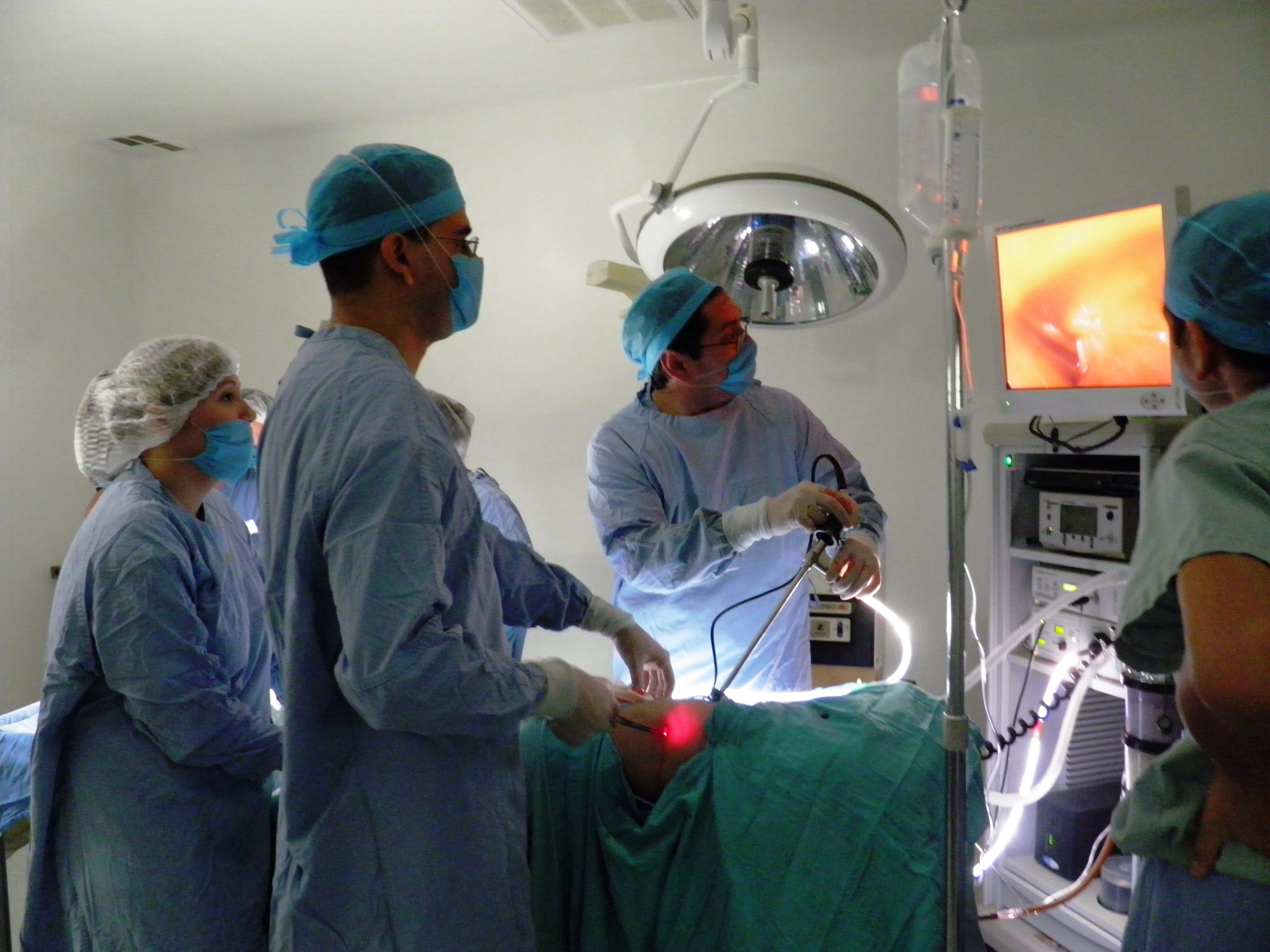
Why does this happen? As Wood & Farjah (2009) explain: (italics are mine)
“Thoracic surgeons are well aware of the apparent moral hazard that occurs in a community when a patient is referred to the local general surgeon for lung cancer resection but to the general thoracic surgeon if the patient is higher risk, is a “VIP” (health professional or relative, community or business leader), or if the patient demands specialist care. If high-risk or “important” patients benefit from operations done by thoracic surgeons, it seems likely that other patients will as well. This tacit understanding of the benefits of specialty care is obvious and is supported by research from Schipper and others, yet appears to be undermined by local factors that have yet to be confronted by hospitals, payers, patient advocacy groups, or policy makers.

Physicians referring patients requiring thoracic operations may prefer to direct a patient to a nonspecialist due to local politics and economics, potentially benefiting directly or indirectly if the patient is cared for within the same hospital or same medical group. Although many hospital credentials committees require specialty board certification to provide specialty care, this is often overlooked because of local traditions, reluctance to restrict or offend current medical staff, and concern about potential financial implications if lack of hospital “specialists” results in redirection of certain patients to a competing hospital.”

“National specialty societies representing surgeons are generally silent on the issue in an effort to avoid disenfranchising one or more of their constituencies. These well-intended but incongruous local incentives could be overcome by policy decisions by health care systems, payers, agencies evaluating quality, and government policy makers.”

Does local politics, local traditions and financial incentives to the referring physician seem like a good reason to refer a patient to an unqualified surgeon – when conclusive, and comprehensive data shows otherwise?

The Influence of Surgical Specialty on Outcomes

“STS: Lung Cancer Survival Best When Thoracic Surgeon Wields Scalpel” Dr. Farjah, “Using those figures, he estimated that “500 to 1,000 lives could be saved if all lung cancer surgeries were performed by board certified thoracic surgeons.””

Full-text article at Thoracic Surgery news – Dr. Michele Ellis on lung resection mortality by surgeon specialty.

8/24/2011 :  after a telephone interview with Ilene Little, this story was highlighted at Traveling4Health, a medical site for consumers.

SITS: That’s Single Incision Thoracoscopic Surgery

the development and application of single-port thoracoscopic surgery, (or the lack there of.)

Right now, single incision scopic surgery (laparoscopic, generally*) is in all the literature. This is a minimally invasinve technique using only one port (or incision) for access to the surgical area (usually the abdomen).

I’ve seen it performed by several general surgeons as part of my travels for BogotaSurgery.org and read the literature surrounding it, but hadn’t heard much about it’s close kin, single port thoracoscopic surgery, though I’d seen it performed during a trip to Cartagena early last year. At the time, I immediately noticed the difference in technique in the operating room (it’s not something you miss) but the surgeon performing the procedure just sort of shrugged, and went back to work, a “Yeah, well.. I do this all the time sort of thing.”

Since that trip, I’ve talked to several thoracic surgeons about this technique, and they all agreed; that due to limited visibility and maneverability, it was a procedure with “limited applications”. But it didn’t sound like any of them had attempted it, or knew much on the subject.
Since ‘limited applications’ describes many surgical techniques, I decided to go to the literature, and see what has been published on the topic.

Hmm.. Not much.

An article from two Spanish surgeons dating to 2009. It’s a well written article with a decent amount of subjects (24) for the treatment of spontaneous pneumothorax. They mention one of the adaptations required is use of the Coviden multi-station system to hold instruments – this is a silly piece of equipment that costs about a thousand dollars. I know that in general surgery, several surgeons have adapted a sterile surgical glove for the same purpose. Since use of this costly but specialized piece of rubber also requires an even bigger incision – I hope these surgeons have since moved on to the sterile glove technique. In this study, length of stay and amount of post-operative pain were not greatly reduced, which was a little surprising.

Jutley, Khalil and Rocco published a paper in 2005 in the European Journaol of Cardiothoracic Surgery on the same technique for spontaneous pneumothorax with 16 patients having uniport surgery (versus 19 in the standard three port group) with positive findings of reduced pain, and less residual neuralgias.

An Italian group reported similar positive findings (compared to Jutley, et. al) in 2008 on a similar sized group/ population (28 patients uniport versus 23 ‘traditional’ 3 port). They also reported a minimum of problems with the uniport technique.

So, three published studies (there are probably more, but this is what I could find over at Pubmed) with minimum of fuss or problems… So, why isn’t there more single incision thoracoscopic surgery? Where are the surgeons performing this technique? Maybe I’m just not talking to enough thoracic surgeons, or the right thoracic surgeons..

I’ll get back to you on this.

* This laparoscopic technique goes by the anacronym: SILS for single-incision laparoscopic surgery. It is also called uni-port (uniportal) laparoscopy and it has both it’s champions and detractors.

Robotic Thoracic Surgery

today, we are looking at the research and case reports related to the use of the Divinci robot for robot-assisted thoracic surgery..

I’m not sure if this should be filed under the Future of Thoracic Surgery – or news, since it won’t be long before more surgeons are performing their surgeries using the DiVinci robot.

I’ve already met a surgeon here in Bogota who has been training to start performing his lung surgeries using this technology.

It’s still a pretty new application of this robot – though reports go back to 2000, but it’s been slow to catch on in this specialty. The Divinci, which has been used for several years; in urology, gynecology and cardiac surgery is an expensive, large, unweldly machine so it takes consider time, and expense to get the necessary training and skills to use it appropriately.
However, one of the surgeons I know in Fresno, at the Stanford Cardiothoracic Surgery Clinic, Dr. Randy Bolton, has been using it for his cardiac cases for years..

So, today, we are looking at the research and case reports related to the use of the Divinci robot for robot-assisted thoracic surgery..

Robotic surgery for mediastinal tumors – Japan: a review of six cases including tomography, diagrams of staff positioning, and a discussion of port placement, as well as some of the problems they encountered (a lack of speciaized instruments).

The University of Illinois experience: 32 cases from 2001 – 2009 ; this study highlights some of the problems implementing new technologies – there is a significant learning curve, and it slows you down.. (The average operating time was 209 minutes). There are some color photos, so caution to the squeamish.

There are three articles pending publication on the use of robotic surgery for thoracic cases – one by Melfi, Vita, Divini and Mussi (European J Cardiothoracic Surgery)
and another, discussing 2 cases of pneumonectomy by robot by Spaggiari and Galetta that sound pretty intriguing.

I’ll see if I can update the article when the articles are more widely available.

The Future of Thoracic Surgery

What is the future of thoracic surgery? Who are our brightest and best young surgeons? Who are the upcoming surgeons of tomorrow?

The future of Thoracic Surgery and the impending shortages of thoracic surgeons is something I’ve talked about before on my sister sites, but since it’s integral to any discussion on thoracic surgery – I’ve re-posted some of my thoughts here.

In discussions on the growing medical tourism phenomenon, we talked about the fact that these shortages, not cost, will soon be the driving force behind the outsourcing of American health care.

We also talked about the need to interview thoracic surgeons in other locations, tour their facilities, observe surgeries and evaluate the care – to establish our international networks now, in:
Chasing Thoracics

But, as this site grows and matures, I would also like to start profiling some of the wonderful and talented surgeons I have been interviewing and meeting during my travels. I also [and this is a big leap] would like to do MORE travelling, as part of an effort to meet more of our thoracic surgery counterparts all over the globe – and bring them here, to you, my readers.

K. Eckland ACNP

For a snapshot of Thoracic Surgeons (dated to 2002), the profession, and projections – this article gives an excellent overview.

Impending Thoracic Surgery Shortage – unable to fill residencies (2008)

Thoracic surgery education; Past, Present and Future (2005) – shortage projections, educational requirements and implications for the future

What is Fast Track Thoracic Surgery?

walk as if your life depended on it..

Today we are taking about one of my favorite topics, Fast Track Thoracic Surgery –  which is a fancy name for trying to streamline the surgical experience to prevent complications and shorten the time to discharge.  It’s an on-going process, and many of the things that were once just ideas “What if we extubated people in the operating room?” are now standard practice.   But ten years ago, most people stayed intubated and on the ventilator overnight after surgery..

A lot of the techniques mentioned in the literature that we’ve included (links) here is now the current standard of treatment,(and these articles are just a few years old – which shows how quickly things can change) such as:
– VATS procedures versus open surgery,
– early extubation in the operating room,
and the one we are going to focus on,
early mobilization (that’s walking, in plain English) but since all of this ‘early mobilization’ (or getting out of bed and walking right as early after surgery as possible) falls on you, the patient – it’s important that we explain why we are asking you to do all these things that are the absolutely the last thing you want to do after you’ve been operated on..

We’ve already discussed this another article, but since ‘early mobilization’ is one of those things that absolutely, truly makes a huge difference, but so often get missed; because the patient doesn’t feel receptive to the idea after surgery, the surgeon doesn’t mention it during his visits, and the nurses are too busy to encourage you (because it means more work for them anyway) – so we are going to revisit the concept.

So, you want me to get out of bed and walk around, just after surgery?  But I am tired, sore, and I have all this stuff (IVs, chest tubes, urinary catheter) attached to me..

I know, I know – I wouldn’t want to do it either – but wanting to – and finding the strength and motivation to do it even when you really don’t want to – are two different things..  And you should know by now, I absolutely wouldn’t ask you to do it, if it wasn’t critically important.

But these low-tech things*, such as walking, and using an incentive spirometry really do make a huge difference – and yes, in some cases, a difference between life and death (from respiratory complications, etc.).  So not only do I want you to walk – I want to you do it a couple times a day – at least three, and I want you to enlist your friends and family to help.  (If I were there, I would be coming by to help you untangle all the equipment, make sure your behind is covered in your robe, and push your IV pole, while we chatted about other stuff – but in all likelihood – I’m not going to be there, so we better just get you moving anyway.)

And I want you to keep going – keep walking, even after discharge, when you get home.  Don’t plop down on the couch or bed with the remote – keep doing all the walking, coughing/ deep breathing exercises, and using your incentive spirometer..  Keep it up until you see your doctor at your follow up appointment..

At that appointment – particularly if you had a lobectomy, or a large piece of lung taken out – be sure to ask him about a prescription of pulmonary rehabilitation, if you didn’t get one a few weeks before surgery, or when you were discharged from the hospital.

* I had a couple of patients in the past who expressed surprise that things like walking, not computer-based technology were the main driving force between rapid recovery and the development of complications.  “There’s not some machine to do this?”
“Nope, just those legs you were born with..”

I’m not making fun, it’s just that it sounds far too simple for people to believe..which is why even though it sounds so obvious to you here, it’s one of the things I have to go over with people several times before and after surgery.
But, really, it is that simple.. Get up and walk like your life depended on it.  It does.

Now in some of these articles, ambulation and pre-operative management get just a passing mention;- but remember, these articles are written by surgeons, not nurses.. They’d rather talk about surgery, not ‘physiotherapy’.  But even so, they do take time to mention it – because it is important..

I’ll be updating this article with new references every so often.

Pre & Post-operative Surgical Optimization for Lung Surgery

How to maximize your chances before lung surgery to speed healing, post-operative recovery and reduce the incidence of complications.

As most of my patients from my native Virginia can attest; pre and post-operative surgical optimization is a critical component to a successful lung surgery. In most cases, lung surgery is performed on the very patients who are more likely to encounter pulmonary (lung) problems; either from underlying chronic diseases such as emphysema, or asthma or from the nature of the surgery itself.

Plainly speaking: the people who need lung surgery the most, are the people with bad lungs which makes surgery itself more risky.

During surgery, the surgeon has to operate using something called ‘unilung ventilation’. This means that while the surgeon is trying to get the tumor out – you, the patient, have to be able to tolerate using only one lung (so he can operate on the other.)

Pre-surgical optimization is akin to training for a marathon; it’s the process of enhancing a patient’s wellness prior to undergoing a surgical procedure. For diabetics, this means controlling blood sugars prior to surgery to prevent and reduce the risk of infection, and obtaining current vaccinations (flu and pneumonia) six weeks prior to surgery. For smokers, ideally it means stopping smoking 4 to 6 weeks prior to surgery.(1) It also means Pulmonary Rehabilitation.

Pulmonary Rehabilitation is a training program, available at most hospitals and rehabilitation centers that maximizes and builds lung capacity. Numerous studies have show the benefits of pre-surgical pulmonary rehabilitation programs for lung patients. Not only does pulmonary rehabilitation speed recovery, reduce the incidence of post-operative pneumonia,(2) and reduce the need for supplemental oxygen, it also may determine the aggressiveness of your treatment altogether.

In very simple terms, when talking about lung cancer; remember: “Better out than in.” This means patients that are able to have surgical resection (surgical removal) of their lung cancers do better, and live longer than patients who receive other forms of treatment such as chemotherapy or radiation.

If you are fortunate enough to have your lung cancer discovered at a point where it is possible to consider surgical excision – then we need you to take the next step, so you are eligible for the best surgery possible.

We need you to enhance your lung function through a supervised walking and lung exercise program so the surgeon can take as much lung as needed. In patients with marginal lung function,(3) the only option is for wedge resection of the tumor itself. This is a little pie slice taken out of the lung, with the tumor in it. This is better than chemotherapy or radiation, and is sometimes used with both – but it’s not the best cancer operation because there are often little, tiny, microscopic tumor cells left behind in the remaining lung tissue.

The best cancer operation is called a lobectomy, where the entire lobe containing the tumor is removed. (People have five lobes, so your lung function needs to be good enough for you to survive with only four.(4) This is the best chance to prevent a recurrence, because all of the surrounding tissue where tumors spread by direct extension is removed as well. Doctors also take all the surrounding lymph nodes, where cancer usually spreads to first. This is the best chance for five year survival, and by definition, cure. But since doctors are taking more lung, patients need to have better lung function , and this is where Pulmonary Rehab. comes in. In six weeks of dedicated pulmonary rehab – many patients who initially would not qualify for lobectomy, or for surgery at all – can improve their lung function to the point that surgery is possible.

Post-operatively, it is important to continue the principles of Pulmonary rehab with rapid extubation (from the ventilator), early ambulation (walking the hallways of the hospitals (5) and frequent ‘pulmonary toileting’ ie. coughing, deep breathing and incentive spirometry.

All of these things are important, where ever you have your surgery, but it’s particularly important here in Bogota due to the increased altitude.

One last thing for today:
a. Make sure to have post-pulmonary rehab Pulmonary Function Testing (PFTs, or spirometry) to measure your improvement to bring to your surgeon,
b. walk daily before surgery (training for a marathon, remember)

c. bring home (and use religiously!) the incentive spirometer provided by rehab.

ALL of the things mentioned here today, are things YOU can do to help yourself.

Footnotes:
1. Even after a diagnosis of lung cancer, stopping smoking 4 to 6 weeks before surgery will promote healing and speed recovery. Long term, it reduces the risk of developing new cancers.

2. Which can be fatal.

3. Lung function that permits only a small portion (or wedge section) to be removed

4. A gross measure of lung function is stair climbing; if you can climb three flights of stairs without stopping, you can probably tolerate a lobectomy.

5. This is why chest tube drainage systems have handles. (so get up and walk!)

Additional References:

Smoking and post-operative complications

Preventing Atrial Fibrillation after Lung Surgery

and the snowball effect of atrial fibrillation after surgery. Discussion includes beta blockers and vitamin C as methods to reduce the incidence of post-operative atrial fibrillation with discussion of the literature supporting its use.

In previous posts, we’ve talked about prevention and management of respiratory complications of lung surgery. However, one of the more common complications of lung surgery, is atrial fibrillation, or an abnormal heart rate and rhythm.  Most of the time, atrial fibrillation after surgery is temporary – but that does not make it a benign problem.

Developing atrial fibrillation is problematic for patients because increases length of stay (while we attempt to treat it) and increases the risk of other problems (such as stroke – particularly if we can’t get the heart rhythm to return to normal).

‘The Cootie Factor’
Length of stay is important for more than cost and convenience. One of the things I try to explain to my patients – is that hospitals are full of sick people, and in general, my surgery patients are not sick– they’ve had surgery..
But surgery increases their chance and susceptibility to contracting infections from other patients, and visitors. I call this ‘the cootie factor’. (Everyone laughs when you say cooties – but everyone knows exactly what you mean.) So the reason I am rushing my patients out the door is more than just for patient convenience and the comforts of home – it’s to prevent infection, and other serious complications that come from being hospitalized, in close quarters, with people who have may have some very bad cooties indeed (MRSA, resistant Klebsiella, VRE, Tuberculosis and other nasties.)

But besides, length of stay – atrial fibrillation, or a very rapid quivering of the atrial of the heart (250+ times per minute) increases the chance of clots forming within the atrial of the heart, and then being ejected by the ventricles straight up into central circulation – towards the brain – causing an embolic stroke.. Now that’s pretty nasty too..

Atrial fibrillation risk reduction

But there are some easy things we can do to reduce the chance of this happening..
One of the easiest ways to prevent / reduce the incidence of post-operative atrial fibrillation – to slow down the heart rate. We KNOW that just by slowing down the heart by 10 – 15 beats per minute, we can often prevent abnormal heart rhythms.

Most of the time we do this by pre-operative beta blockade, which is a fancy term for using a certain class of drugs, beta blockers (such as metoprolol, carvedilol, atenolol) to slow the heart rate, just a little bit before, during and after surgery.

In fact, this is so important – national/ and international criteria uses heart rate (and whether patients received these medications prior to surgery) as part of the ‘grading’ criteria for rating surgery/ surgeons/ and surgery programs. It’s part of both NSQIPs and the Surgical Apgar Scale – both of which are important tools for preventing intra-operative and post-operative problems..

The good thing is, most of these drugs are cheap (on the $4 plan), very safe, and easily tolerated by patients. Also, most patients only need to be on these medications for a few days before and after surgery – not forever.

Now, if you do develop atrial fibrillation (a. fib) after surgery – we will have to give you stronger (more expensive, more side effects) drugs such as amiodarone, or even digoxin (old, but effective) to try to control or convert your heart rhythm back to normal.

If you heart rhythm does not go back to normal in a day or two – we will have to start you on a blood thinner like warfarin to prevent the blood clots we talked about previously. (Then you may have to have another procedure – cardioversion, and more medicines, if it continues, so you can start to see why it’s so important to try to prevent it in the first place).

Research has also looked at statin drugs to prevent atrial fibrillation after surgery – results haven’t been encouraging, but if you are already on cholesterol medications prior to surgery, there are plenty of other reasons for us to continue statins during and after surgery.. (Now, since the literature is mixed on whether statins help prevent a. fib – I wouldn’t start them on patients having lung surgery, but that’s a different matter.)

Now Dr. Shu S. Lin, and some of the other cardiac surgeons did some studies down at Duke looking at pre-operative vitamin C (along with quite a few others) and the results have been interesting.. That doesn’t mean patients should go crazy with the supplements.. anything, even Vitamin C can harm you, if taken willy-nilly (though the risk with vitamin C is usually minimal).

In fact, the evidence was strong enough (and risk of adverse effects was low enough) that we always prescribed it to our pre-operative patients for both heart and lung surgery.  (Heart patients are at high risk of atrial fibrillation too.)  We prescribed 500mg twice a day for a week before surgery, until discharge – which is similar to several studies. I’ve included some of these studies before – please note most of them focus on atrial fibrillation after heart surgery.

Vitamin C
Vitamin C with beta blockers to prevent A. Fib. This is probably my favorite free text about Vitamin C and Atrial fib – it’s my sort of writing style..

Contrary to popular belief, performing a VATS procedure (versus open surgery) does not eliminate the risk of post-operative atrial fibrillation.

Now Dr. Onaitis, D’Amico and Harpole published some interesting results last year (and of course, as Duke Thoracic surgeons, I am partial) – but I can’t repost here since it’s limited access articles..

Outpatient Treatment for Malignant Effusions

Discussion of treatment goals, and patient centered care for Malignant pleural effusions. This is the first in a series of articles on lung cancer, and lung surgery topics. Originally posted at our sister site.

Not all conditions are curable, and not all treatments are curative. Some treatments are based on improving quality of life, and alleviating symptoms. This is a hallmark of patient centered care – doing what we can to make the patient feel better even when we can’t ‘fix’ or cure the underlying disease. No where is this more evident than in the treatment of malignant effusions.

By definition, a Malignant Effusion is the development of fluid in the fluids related to an underlying (and sometimes previously undiagnosed) malignancy. Malignant effusions can be seen with several different kinds of cancers, most commonly lung and breast cancers. The development of a malignant effusion is a poor prognostic sign as it is an indicator of metastasis to the pleural tissue/ space.

The development of a malignant effusion usually presents with symptoms of shortness of breath, and difficulty breathing. While the treatment of the underlying cancer may vary, the primary goal of treatment of an effusion is palliative (or symptom relief). The best way to relieve symptoms is by removing the fluid.

This can be done several ways – but each has its own drawbacks.

Thoracentesis:
The fluid can be drawn out with a needle (thoracentesis) either bedside or under fluroscopy. This procedure is quick, and can be performed on an out-patient basis, in a doctor’s office, or in radiology.

The potential drawbacks with this treatment strategy are two-fold:

1. There is a chance that during the procedure, the needle will ‘poke’ or ‘pop’ the lung, causing a pneumothorax (or collapse of the lung). This then requires a chest tube to be placed so the lung can re-expand while it heals. However, if the procedure is performed uneventfully, (like it usually does) the patient can go home the same day.

2. The other complication – is rapid re – accumulation – since you haven’t treated the underlying cause, but have only removed the fluid. This also happens when the cause of the effusion (nonmalignant) is from congestive heart failure. This means the fluid (and symptoms of shortness of breath) may return quickly, requiring the patient to return to the hospital – which is hard of the patient and their family.

Video- Assisted Thoracoscopy: (VATs)
Malignant effusions can also be treated by VATS – this is a good option if we are uncertain of the etiology (or the reason) for the effusion. While all fluid removed is routinely sent for cytopathology (when removed during surgery, thoracentesis or chest tube placement) – but cytopathology can be notoriously inaccurate with false negative reports, because the diagnosis is dependent on the pathologist actually seeing cancer cells in the fluid.  However, during the VATs procedure – the surgeon can take tissue samples, and photos along with fluid for diagnostic testing.   This is important because I have had cases in the operating room (VATS) where the surgeon actually sees the tumor(s)** with the camera but the fluid comes back as negative.

** in these cases, we send biopsies of the tumor tissue – which is much more accurate and definitive.

But a VATS procedure requires an operation, chest tube placement and several days in the hospital.

Chest tube placement:
Another option is chest tube placement – which also requires several days in the hospital..

During both chest tube placement and VATS, a procedure called pleurodesis can be performed to try to prevent the fluid from re-accumulating.

But what if we know it’s a malignant effusion? What are the other options for treatment?

Catheter based treatments: (aka PleurX style catheter, or Heimlich valve)
(note: catheter means a small tube – a foley catheter is the type used to drain urine, but other types are used for many things – even an IV is a catheter.)
One of the options used in our practice was pleur X (brand) catheter placement. This catheter was a small flexible tube that could be placed under local anesthesia – either in the office or the operating room – as an ambulatory procedure. After some patient teaching, including a short video, most family members felt comfortable emptying the catheter every two or three days at home, to prevent fluid  re -accumulation (and allowing the patient to continue normal activities, at home.)

PleurX catheter placement is preferred in many cases due to ease of use, and patient convenience. The Heimlich valve is messier – as it tends to leak, and harder for patients to hide under clothing.

Sometimes a visiting nurse would go out and empty the catheter, and in several cases, patients would come to the office, where I would do the same thing – it was a nice way to relieve the patient’s symptoms without requiring hospitalization, and several studies have shown that repeated drainage often caused spontaneous pleurodesis (fluid no longer accumulated.) We would then take the catheter out in the office.. Now, like any procedure, there is a chance for problems with this therapy as well, infection, catheter can clog, etc..

But here’s another study, showing that even frail patients benefit from home-based therapy – which is important when we go back and consider our original treatment goals:
-Improving quality of life
-Relieving symptoms

In the article, the authors used talc with the catheters and then applied a Heimlich valve, which is another technique very similar to pleurX catheter placement.  (Sterile talc is used for the pleurodesis procedure – which we will talk about in more detail in the future.)

Another article, this one by Heffner & Klein (2009) published in the Mayo Clinic Proceedings discusses the diagnosis and treatment of malignant effusions.